


|
Andrew MILLER
| ||||||||||||||||||||||||||
|---|---|---|---|---|---|---|---|---|---|---|---|---|---|---|---|---|---|---|---|---|---|---|---|---|---|---|
|
Source : Victor Daniel & katzizkidz (Ellen Marchese)
| ||||||||||||||||||||||||||
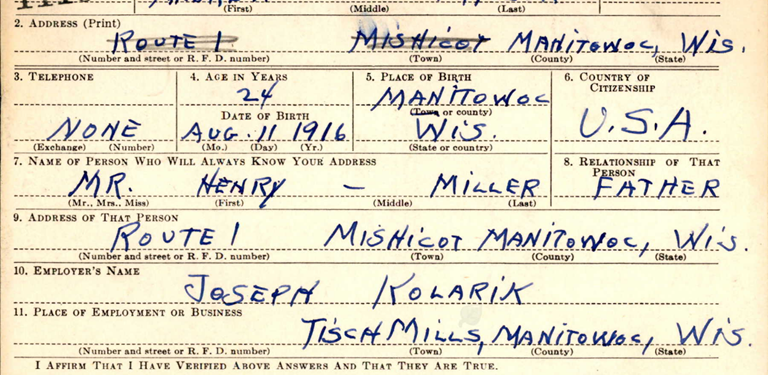
| NUMBER OF SERVICE | 36248212 | |||||||||||||||||||||||||
| AGE | 28 yo | |||||||||||||||||||||||||
| DATE OF BIRTH |
11 August 1916 Manitowoc, Manitowoc coutny, WISCONSIN | |||||||||||||||||||||||||
| ENLISTMENT STATE | Mishicot, WISCONSIN | |||||||||||||||||||||||||
| FAMILY |
Parents : Henry & Margaret C MILLER Sister : Marie | |||||||||||||||||||||||||
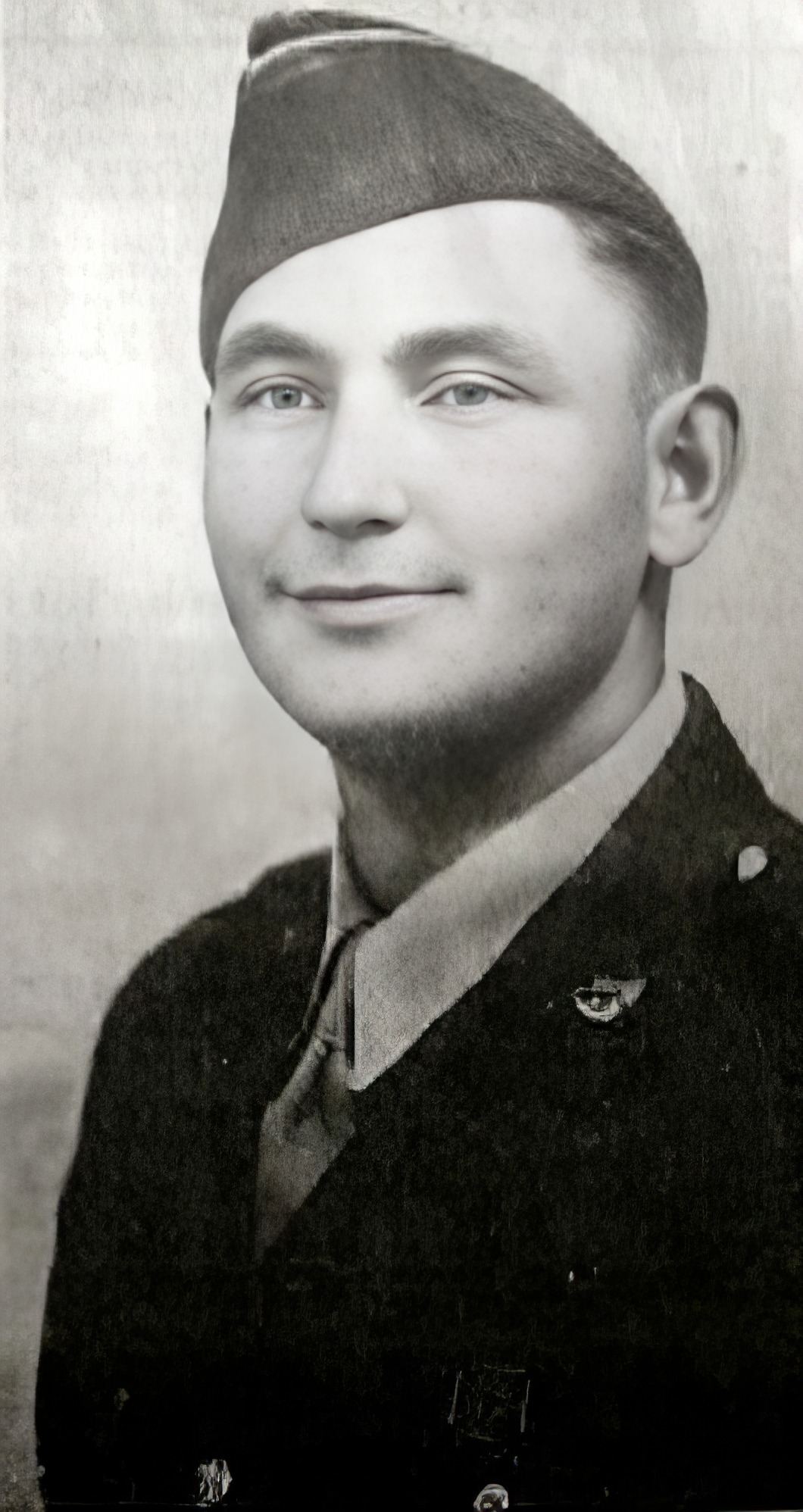
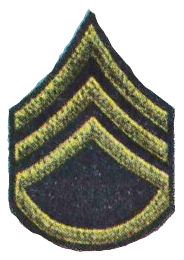
| RANK |
| |||||||||||||||||||||||||
| FONCTION | Squad leader | |||||||||||||||||||||||||
| JOB BEFORE ENLISTEMENT |  | |||||||||||||||||||||||||
| DATE of ENLISTEMENT | 16 octobre 1940 | |||||||||||||||||||||||||
| COMPANY | G company | |||||||||||||||||||||||||
| BATTALION | 2nd battalion | |||||||||||||||||||||||||
| REGIMENT | 377th Infantry Regiment | |||||||||||||||||||||||||
| DIVISION | 95th Infantry Division | |||||||||||||||||||||||||
| ARMY | 3rd Army | |||||||||||||||||||||||||
| DATE OF DEATH | 29 November 1944 |
Source : Victor Daniel & Mr D (Findagrave.com)
| ||||||||||||||||||||||||
| STATUS | KIA | |||||||||||||||||||||||||
| PLACE OF DEATH | Kerprich Hemmersdorf, SAARLAND, GERMANY | |||||||||||||||||||||||||
| CEMETERY TEMPORARY |
CEMTERY TEMPORARY of Limey Cemetery, Toul N°3547 | |||||||||||||||||||||||||
| CEMETERY |
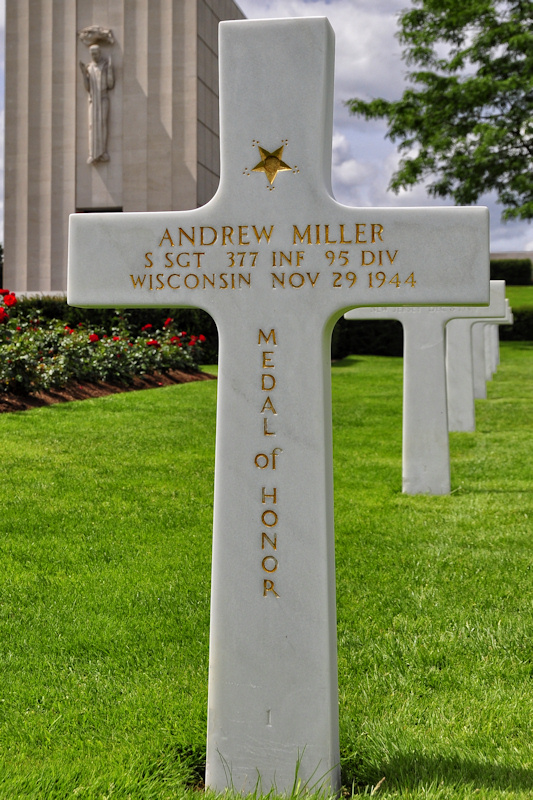
LORRAINE AMERICAN CEMETERY of Saint Avold | |||||||||||||||||||||||||
| GRAVE |
| |||||||||||||||||||||||||
| DECORATION |
| |||||||||||||||||||||||||
| ||||||||||||||||||||||||||
| STORY | ||||||||||||||||||||||||||
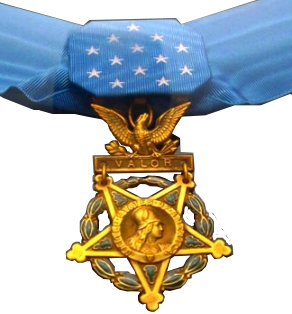 |
Medal of Honor
Medal of Honor citation : "For performing a series of heroic deeds from 16 to 29 November 1944, during his company's relentless drive from Woippy, France, through Metz to Kerprich Hemmersdorf, Germany. As he led a rifle squad on 16 November at Woippy, a crossfire from enemy machine guns pinned down his unit. Ordering his men to remain under cover, he went forward alone, entered a building housing one of the guns, and forced five Germans to surrender at bayonet point. He then took the second gun singlehandedly by hurling grenades into the enemy position, killing two, wounding three more, and taking two additional prisoners. At the outskirts of Metz the next day, when his platoon, confused by heavy explosions and the withdrawal of friendly tanks, retired, he fearlessly remained behind armed with an automatic rifle and exchanged bursts with a German machine gun until he silenced the enemy weapon. His quick action in covering his comrades gave the platoon time to regroup and carry on the fight. On 19 November S/Sgt. Miller led an attack on large enemy barracks. Covered by his squad, he crawled to a barracks window, climbed in, and captured six riflemen occupying the room. His men, and then the entire company, followed through the window, scoured the building, and took 75 prisoners. S/Sgt. Miller volunteered, with three comrades, to capture Gestapo officers who were preventing the surrender of German troops in another building. He ran a gauntlet of machine-gun fire and was lifted through a window. Inside, he found himself covered by a machine pistol, but he persuaded the four Gestapo agents confronting him to surrender. Early the next morning, when strong hostile forces punished his company with heavy fire, S/Sgt. Miller assumed the task of destroying a well-placed machine gun. He was knocked down by a rifle grenade as he climbed an open stairway in a house, but pressed on with a bazooka to find an advantageous spot from which to launch his rocket. He discovered that he could fire only from the roof, a position where he would draw tremendous enemy fire. Facing the risk, he moved into the open, coolly took aim, and scored a direct hit on the hostile emplacement, wreaking such havoc that the enemy troops became completely demoralized and began surrendering by the score. The following day, in Metz, he captured 12 more prisoners and silenced an enemy machine gun after volunteering for a hazardous mission in advance of his company's position. On 29 November, as Company G climbed a hill overlooking Kerprich Hemmersdorf, enemy fire pinned the unit to the ground. S/Sgt. Miller, on his own initiative, pressed ahead with his squad past the company's leading element to meet the surprise resistance. His men stood up and advanced deliberately, firing as they went. Inspired by S/Sgt. Miller's leadership, the platoon followed, and then another platoon arose and grimly closed with the Germans. The enemy action was smothered, but at the cost of S/Sgt. Miller's life. His tenacious devotion to the attack, his gallant choice to expose himself to enemy action rather than endanger his men, his limitless bravery, assured the success of Company G." | |||||||||||||||||||||||||
|
Source : Victor Daniel
| ||||||||||||||||||||||||||
| | ||||||||||||||||||||||||||





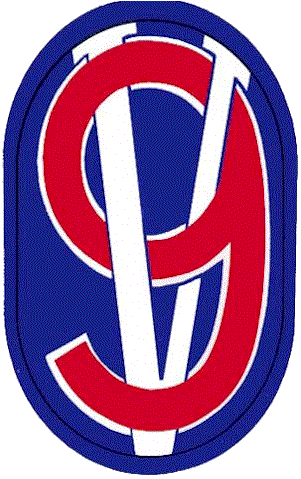
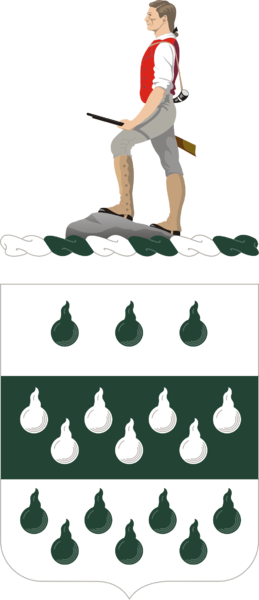
Activated/Activé |
Normandy/Normandie |
| 15 Jul 1942 | Days of Combat/Jour de Combat 151 |
| Casualties/Victimes 6,591 | |
Entered Combat/Entré au combat |
|
| 20 Oct 1944 Normandy | |
|
Commanding Generals/Commandants généraux Maj. Gen. Harry L. Twaddle Jul 42 - |
Campaigns/CampagnesNorthern France Jul 44 - Sep 44Rhineland Sep 44 - Mar 45 Central Europe Mar 45 - May 45 |
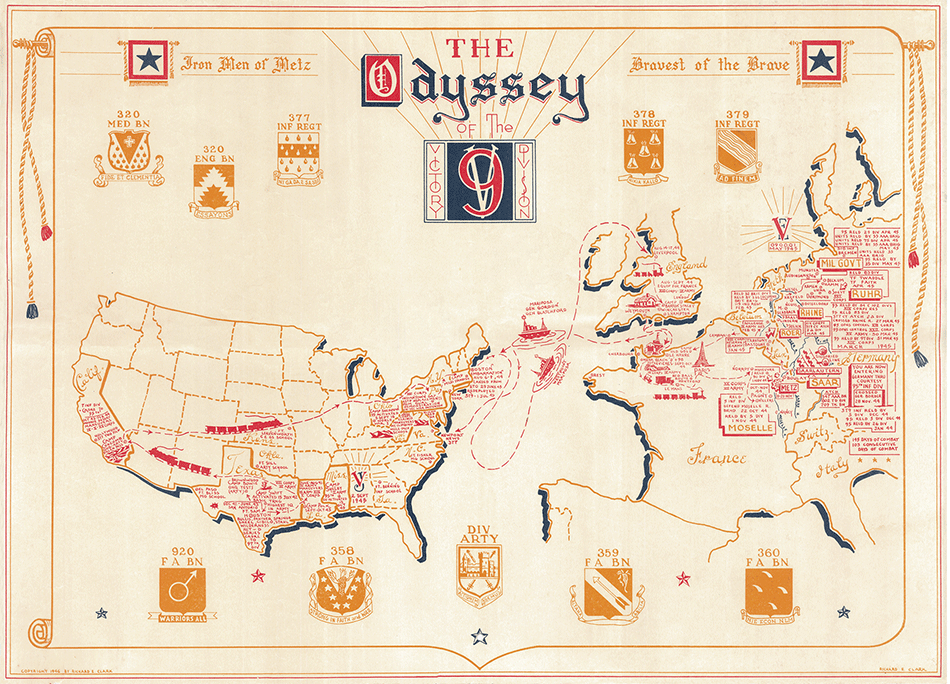
PLAN DE ROUTE DE LA CAMPAGNE - CAMPAIGN ROUTE MAP |
|
|
|
|
DIVISION CHRONICLEThe 95th Infantry Division arrived in England on 17 August 1944. After receiving additional training, it moved to France, 15 September, and bivouacked near Norroy-le-Sec, 1-14 October. The Division went into the line, 19 October, in the Moselle River bridgehead sector east of Moselle and South of Metz and patrolled the Seille River near Cheminot, repulsing enemy attempts to cross the river. On 1 November, elements went over to the offensive, reducing an enemy pocket east of Maizieres. On the 8th, these units crossed the Moselle River and advanced to Bertrange. Against heavy resistance, the 95th captured the forts surrounding Metz and captured the city, 22 November. The Division pushed toward the Saar, 25 November, and entered Germany on the 28th. The 95th seized a Saar River bridge, 3 December, and engaged in bitter house-to-house fighting for Saarlautern. Suburbs of the city fell and, although the enemy resisted fiercely, the Saar bridgehead was firmly established by 19 December. While some units went to an assembly area, others held the area against strong German attacks. On 2 February 1945, the Division began moving to the Maastricht area in. Holland, and by 14 February, elements were in the line near Meerselo in relief of British units. Relieved, 23 February, the 95th assembled near Julich, Germany, 1 March. It forced the enemy into a pocket near the Hitler Bridge at Uerdingen and cleared the pocket, 5 March, while elements advanced to the Rhine. From 12 March, the 95th established defenses in the vicinity of Neuss. Assembling east of the Rhine at Beckum, 3 April, it launched an attack across the Lippe River, 4 April, and captured Hamm and Kamen on the 6th. After clearing the enemy pocket between the Ruhr and the Mohne Rivers, the Division took Dortmund, 13 April, and maintained positions on the north bank of the Ruhr. |
CHRONIQUE DE DIVISIONLa 95e division d’infanterie arrive en Angleterre le 17 août 1944. Après avoir reçu une formation supplémentaire, il s’est rendu en France le 15 septembre et a bivouaqué près de Norroy-le-Sec du 1er au 14 octobre. Le 19 octobre, la division entre dans le secteur de la tête de pont de la Moselle à l’est de la Moselle et au sud de Metz et patrouille la rivière Seille près de Cheminot, repoussant les tentatives ennemies de traverser la rivière. Le 1 novembre, les éléments passent à l’offensive, réduisant une poche ennemie à l’est de Maizières. Le 8, ces unités traversent la Moselle et avancent jusqu’à Bertrange. Face à une forte résistance, le 95e s’empare des forts entourant Metz et prend la ville le 22 novembre. Le 25 novembre, la division se dirige vers la Sarre et entre en Allemagne le 28. Le 3 décembre, la 95e s’empara d’un pont sur la Sarre et se livra à une lutte acharnée de maison en maison pour Saarlautern. Les faubourgs de la ville tombent et, bien que l’ennemi résiste farouchement, la tête de pont de la Sarre est fermement établie le 19 décembre. Alors que certaines unités se sont dirigées vers une zone de rassemblement, d’autres ont tenu la zone contre de fortes attaques allemandes. Le 2 février 1945, la division a commencé à se déplacer dans la région de Maastricht. Hollande, et le 14 février, des éléments étaient dans la ligne près de Meerselo en relief des unités britanniques. Relevé, 23 février, le 95e rassemblement près de Julich, en Allemagne, le 1 mars. Il force l’ennemi dans une poche près du pont d’Hitler à Uerdingen et libère la poche le 5 mars, tandis que les éléments avancent vers le Rhin. A partir du 12 mars, le 95e établit des défenses dans les environs de Neuss. Se rassemblant à l’est du Rhin à Beckum, le 3 avril, il lance une attaque sur la rivière Lippe, le 4 avril, et capture Hamm et Kamen le 6. Après avoir dégagé la poche ennemie entre la Ruhr et les rivières Mohne, la division prend Dortmund le 13 avril et maintient des positions sur la rive nord de la Ruhr.
|
| SOURCE INFORMATION & PHOTO | Armydivs.squarespace.com |
|---|
| SOURCE INFORMATION & SOURCE PHOTO | Victor Daniel - Findagrave.com - Weremember.abmc.gov - Fold3 |
|---|---|
| EDITORS | Victor, Jean-Philippe, Eric, Henri, Garrett, Clive, Frédéric & Renaud |