


|
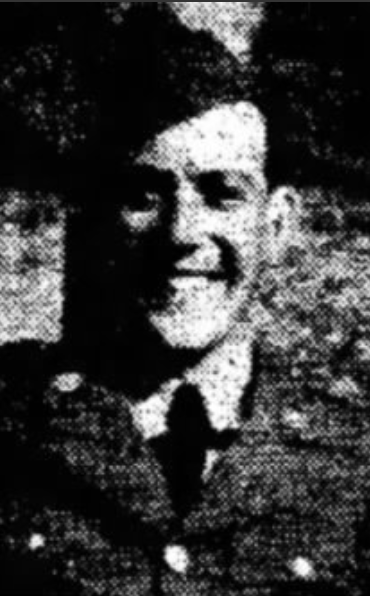
Warren G Harding BIRCHER
| ||||||||||||||||||||||||
|---|---|---|---|---|---|---|---|---|---|---|---|---|---|---|---|---|---|---|---|---|---|---|---|---|
|
Source : geneecker768
| ||||||||||||||||||||||||
| NUMBER OF SERVICE | 33146536 | |||||||||||||||||||||||
| AGE | 23 yo | |||||||||||||||||||||||
| DATE OF BIRTH | 24 November 1920 Ross County, OHIO | |||||||||||||||||||||||
| ENLISTMENT STATE | OHIO | |||||||||||||||||||||||
| FAMILY |
Married Parents : Mathilde & George W BIRCHER | |||||||||||||||||||||||
| RANK | Private | |||||||||||||||||||||||
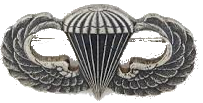
| FONCTION | Paratroopers | |||||||||||||||||||||||
| JOB BEFORE ENLISTEMENT | Semiskilled miners, and mining-machine operators |  | ||||||||||||||||||||||
| DATE of ENLISTEMENT | 9 January 1942 New Cumberland PENNSYLVANIA | |||||||||||||||||||||||
| COMPANY | Company HeadQuarters | |||||||||||||||||||||||
| REGIMENT | 502nd Parachute Infantry Regiment | |||||||||||||||||||||||
| DIVISION | 101st Airborne Division | |||||||||||||||||||||||
| DATE OF DEATH | 6 June 1944 |
Source : Dominique Potier | ||||||||||||||||||||||
| STATUS | KIA | |||||||||||||||||||||||
| PLACE OF DEATH | ||||||||||||||||||||||||
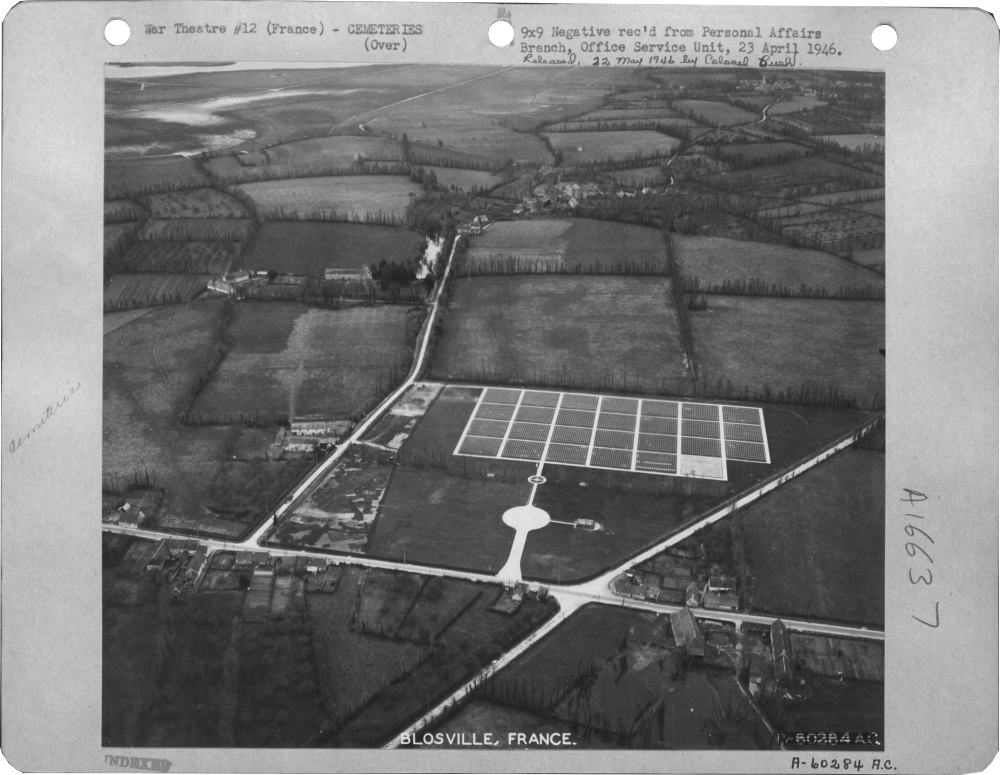
| CEMETERY TEMPORARY |
CEMTERY TEMPORARY of BLOSVILLE N°3508
| |||||||||||||||||||||||
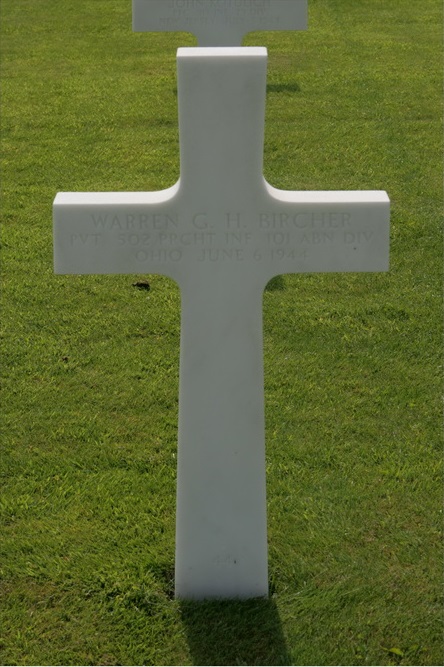
| CEMETERY | NORMANDY AMERICAN CEMETERY of Colleville | |||||||||||||||||||||||
| GRAVE |
| |||||||||||||||||||||||
| DECORATION |
| |||||||||||||||||||||||
| ||||||||||||||||||||||||
| STORY | ||||||||||||||||||||||||
|
Warren G. H. Bircher (full name Warren G Harding Bircher) was born November 24, 1920 In Ross County ,Ohio. His father, George W Bircher, was born in West Virginia as was his mother , Matilda. His father worked as a laborer and also was a minister. Warren had an older sister, several half-siblings, attended 2 years of high school and worked as a mining machine operator prior to his military service.
When he enlisted in the Army on January 29, 1942 at New Cumberland, Pennsylvania he indicated he was married to Thelma, nee Davis. On May 19, 1943 the Uniontown Pennsylvania Evening Standard Newspaper reported that Warren had been transferred from Camp Crott, South Carolina to Fort Benning, Georgia to begin his paratrooper training. The article said that while at Camp Crott, he was assigned to a heavy weapons unit.
The unit Warren was assigned to, the 502nd Parachute Infantry Regiment (PIR), 101st Airborne Division, was developed following the capture of Crete entirely by airborne forces on May 20, 1941. U S military planners recognized the tactical and strategic success of airborne troops and on March 2, 1942 the 502nd PIR was activated at Ft. Benning, Georgia and shortly thereafter was assigned as a permanent unit of the 101st Airborne Division. During the balance of 1942 and into 1943 the unit took part in extensive and grueling training exercises.
On September 4,1943 the 502nd PIR boarded the SS Strathnaver destined for England. After arriving in England they were assigned quarters and continued rigorous training including 15-25 mile hikes and company and battalion parachute drops.
On D-Day, June 6, the 502nd was the first wave to depart for Normandy. Flying out of English air bases, their mission was to secure two northern causeways leading inland from Utah Beach and destroy a German coast-artillery battery near Ste Martin-de-Varreville. A combination of low cloud cover, and enemy anti-aircraft fire caused the break-up of troop carrier aircraft formations. The scattering of the air armada was such that troops parachuting landed far afield from their designated drop zone (DZ). In spite of this, commanders took charge of small groups and accomplished most of their D-Day mission.
It was on this day, June 6, 1944 at Basse-Normandie, France that Warren was killed in action. He was awarded the Purple Heart posthumously and is buried at Normandy American Cemetery, Colleville-sur-Mer, France. By : geneecker768 | ||||||||||||||||||||||||








Activated/Activé |
Normandy/Normandie |
| 15 Aug 1942 | Days of Combat/Jour de Combat 214 |
| Casualties/Victimes 9 328 | |
Entered Combat/Entré au combat |
|
| 6 Jun1944 D-Day | |
|
Commanding Generals/Commandants généraux Maj. Gen. William C. Lee (Aug 42 - Mar 44) |
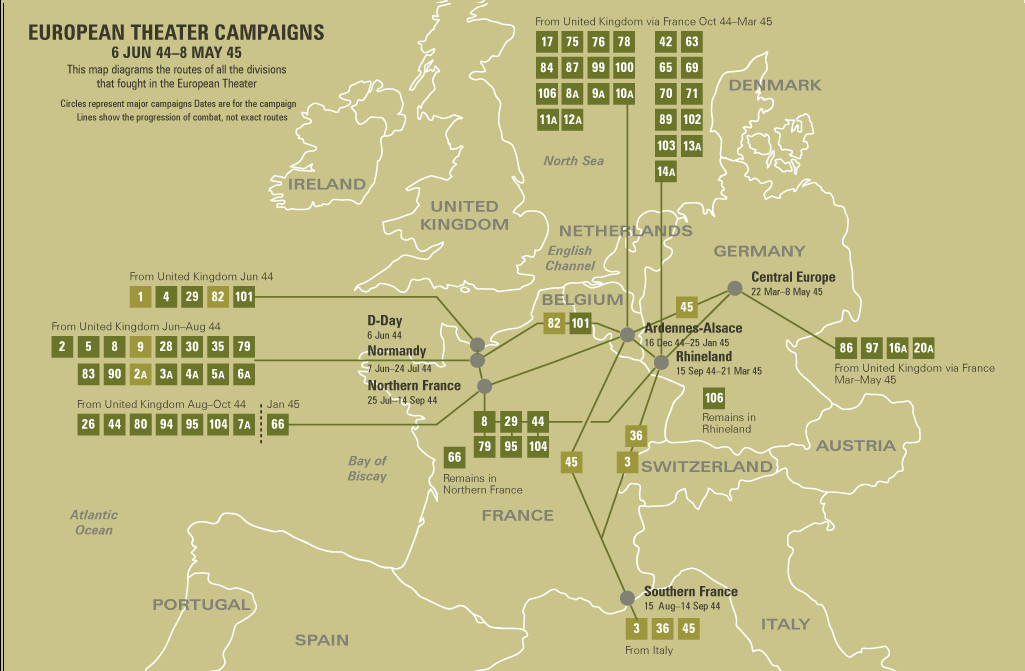
Campaigns/CampagnesNormandy (6 Jun 44 - 24 Jul 44) Rhineland (15 Sep 44 - 21 Mar 45)
|
PLAN DE ROUTE DE LA CAMPAGNE - CAMPAIGN ROUTE MAP |
|
 |
|
DIVISION CHRONICLEThe 101st Airborne arrived in England, 15 September 1943, and received additional training in Berkshire and Wiltshire. On 6 June 1944, the Division was dropped into Normandy behind Utah Beach. Against fierce resistance it took Pouppeville, Vierville, and St. Come du Mont. On the 12th, the stronghold of Carentan fell, and after mopping up and maintaining its positions, the Division returned to England, 13 July, for rest and training. On 17 September 1944, taking part in one of the largest of airborne invasions, the 101st landed in Holland, took Vechel and held the Zon bridge. St. Oedenrode and Eindhoven fell after sharp fighting on the 17th and 18th. Opheusden changed hands in a shifting struggle, but the enemy was finally forced to withdraw, 9 October. After extensive patrols, the Division returned to France, 28 November, for further training. On 18 December, it moved to Belgium to stop the German breakthrough. Moving into Bastogne under the acting command of Brig. Gen. Anthony C. McAuliffe, it set up a circular defense and although completely surrounded, refused to surrender on 22 December. Its perimeter held against violent attacks. The 4th Armored Division finally reached the 101st on the 26th and the enemy offensive was blunted. Very heavy fighting continued near Bastogne for the rest of December and January. On 17 January 1945, the Division moved to Drulingen and Pfaffenhoffen in Alsace and engaged in defensive harassing patrols along the Moder River. On 31 January, it crossed the Moder in a three-company raid. After assembling at Mourmelon, France, 26 February 1945, for training, it moved to the Ruhr pocket, 31 March, patrolling and raiding in April and engaging in military government at Rheydt and Munchen-Gladbach. The 101st reached Berchtesgaden by the end of the war and performed occupational duties until inactivation in Germany. |
CHRONIQUE DE DIVISIONLe 101st Airborne est arrivé en Angleterre, le 15 septembre 1943, et a reçu une formation supplémentaire dans le Berkshire et le Wiltshire. Le 6 juin 1944, la division est larguée en Normandie derrière Utah Beach. Contre une résistance féroce, il fallut Pouppeville, Vierville et St. Come du Mont. Le 12, le fief de Carentan est tombé, et après avoir nettoyé et maintenu ses positions, la Division est revenue en Angleterre, le 13 juillet, pour se reposer et s'entraîner. Le 17 septembre 1944, participant à l'une des plus grandes invasions aéroportées, la 101st débarque en Hollande, prend Vechel et tient le pont de Zon. St. Oedenrode et Eindhoven sont tombés après des combats acharnés les 17 et 18. Opheusden a changé de mains dans une lutte changeante, mais l'ennemi a finalement été forcé de se retirer, le 9 octobre. Après de longues patrouilles, la Division revint en France le 28 novembre pour suivre une formation complémentaire. Le 18 décembre, il a déménagé en Belgique pour arrêter la percée allemande. Déménagement à Bastogne sous le commandement de Brig. Général Anthony C. McAuliffe, il a mis en place une défense circulaire et bien que complètement encerclé, a refusé de se rendre le 22 décembre. Son périmètre tenu contre les attaques violentes. La 4e division blindée atteignit finalement la 101e le 26 et l'offensive ennemie fut émoussée. De très violents combats ont continué près de Bastogne pour le reste de décembre et janvier. Le 17 janvier 1945, la division s'est déplacée à Drulingen et à Pfaffenhoffen en Alsace et s'est livrée à des patrouilles de harcèlement défensif le long de la rivière Moder. Le 31 janvier, il a traversé le Moder dans un raid de trois compagnies. Après s'être rassemblé à Mourmelon, France, le 26 février 1945, pour s'entraîner, il s'installa dans la poche de la Ruhr, le 31 mars, patrouillant et faisant des raids en avril et s'engageant dans un gouvernement militaire à Rheydt et Munchen-Gladbach. La 101e a atteint Berchtesgaden à la fin de la guerre et a exercé des fonctions professionnelles jusqu'à l'inactivation en Allemagne. |
| SOURCE INFORMATION & PHOTO | Armydivs.squarespace.com |
|---|
| SOURCE INFORMATION & SOURCE PHOTO | Scott Rayl - Fold3(geneecker768) - Abmc.gov - Findagrave.com - Aad.archives.gov |
|---|---|
| PROGRAMMER | Henri, Garrett, Clive, Frédéric & Renaud |