


|
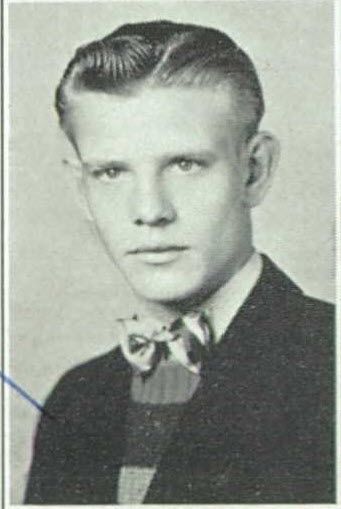
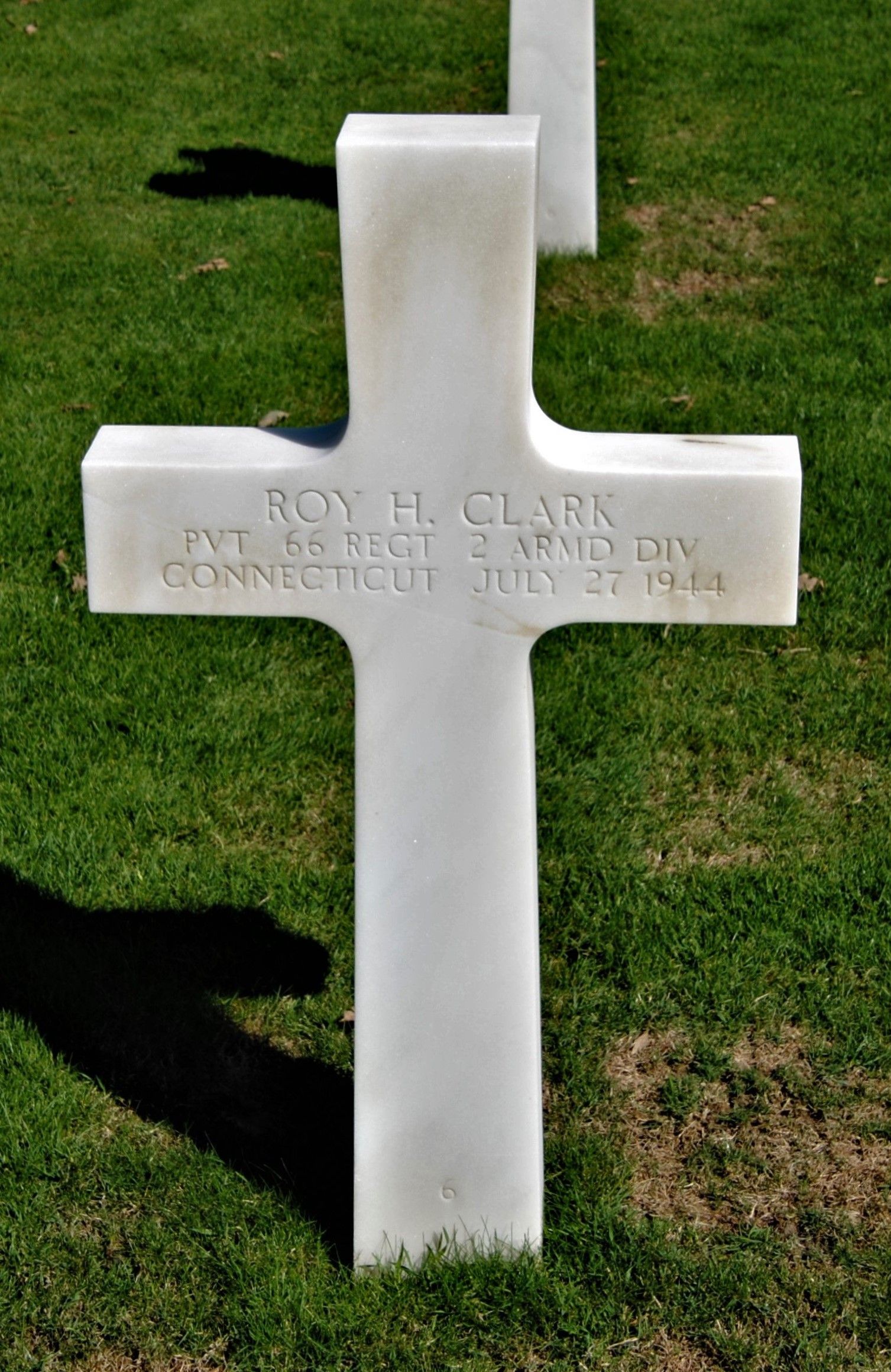
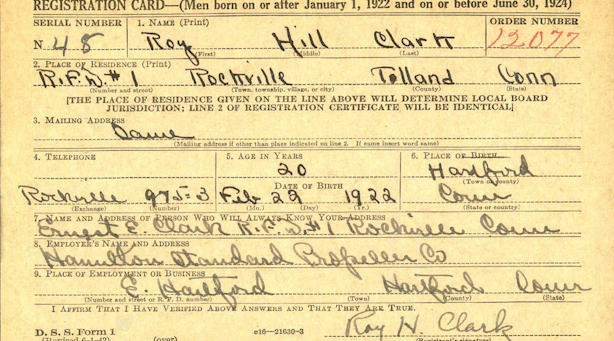
Roy Hill CLARK
| ||||||||||||||||||||||||||||||
|---|---|---|---|---|---|---|---|---|---|---|---|---|---|---|---|---|---|---|---|---|---|---|---|---|---|---|---|---|---|---|
|
Source : Rcelt | ||||||||||||||||||||||||||||||
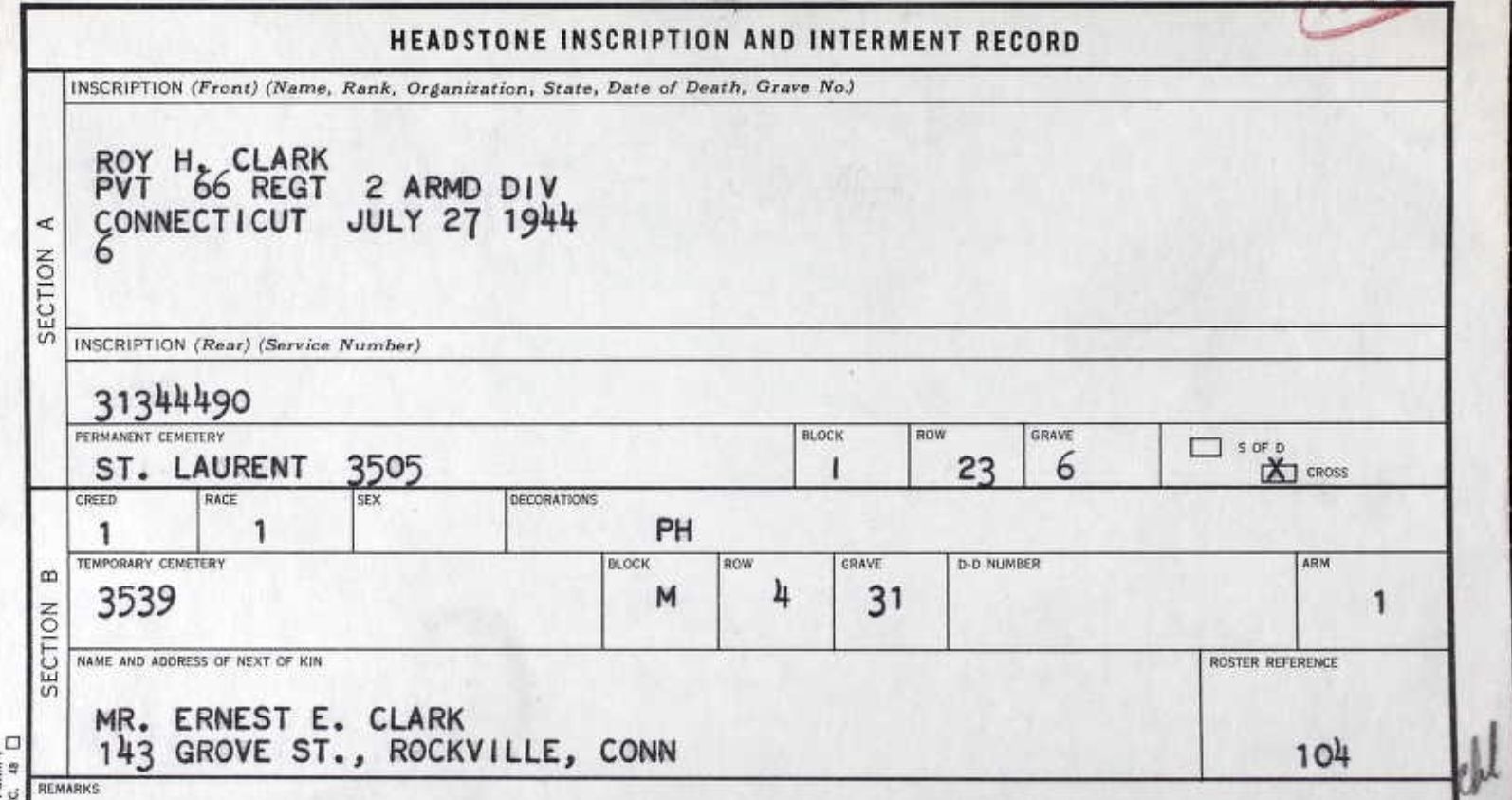
| NUMBER OF SERVICE | 31344490 | |||||||||||||||||||||||||||||
| AGE | 22 yo | |||||||||||||||||||||||||||||
| DATE OF BIRTH |
22 février 1922 Hartford, Hartford county, CONNECTICUT | |||||||||||||||||||||||||||||
| ENLISTMENT STATE | Rockville, Tolland county, CONNECTICUT | |||||||||||||||||||||||||||||
| FAMILY |
Parents : Ernest E & Laura E | |||||||||||||||||||||||||||||
| RANK |
| |||||||||||||||||||||||||||||
| FONCTION | Infantry Man | |||||||||||||||||||||||||||||
| JOB BEFORE ENLISTEMENT | Employee at Hamilton Standard Propeller Co. | 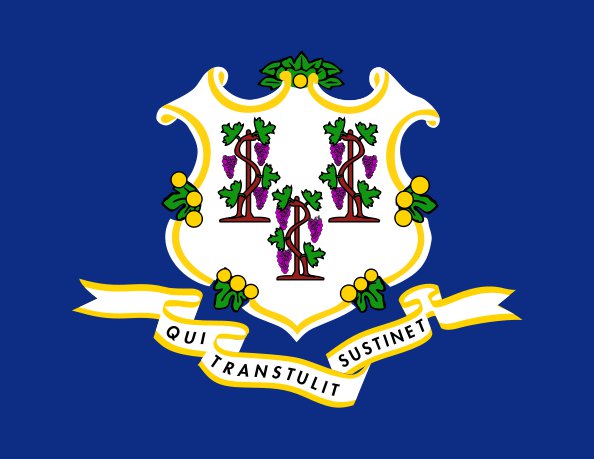 | ||||||||||||||||||||||||||||
| DATE of ENLISTEMENT | 30 June 1942 | |||||||||||||||||||||||||||||
| COMPANY | ||||||||||||||||||||||||||||||
| BATTALION | ||||||||||||||||||||||||||||||
| REGIMENT | 66th Armored Regiment | |||||||||||||||||||||||||||||
| DIVISION | 2nd Armored Division | |||||||||||||||||||||||||||||
| ARMY | 1st Army | |||||||||||||||||||||||||||||
| DATE OF DEATH | 27 July 1944 |
Source : Frogman | ||||||||||||||||||||||||||||
| STATUS | KIA | |||||||||||||||||||||||||||||
| PLACE OF DEATH |
Around Villebaudon | |||||||||||||||||||||||||||||
| CEMETERY TEMPORARY |
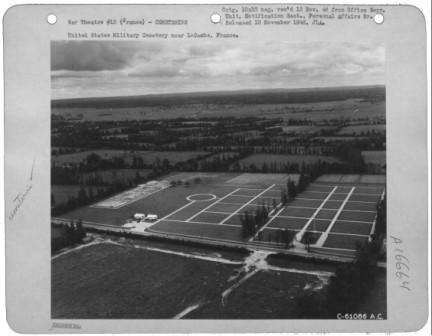
CEMETERY TEMPORARY of La Cambe N°3539
| |||||||||||||||||||||||||||||
| CEMETERY | NORMANDY AMERICAN CEMETERY of Colleville | |||||||||||||||||||||||||||||
| GRAVE |
| |||||||||||||||||||||||||||||
| DECORATION |
| |||||||||||||||||||||||||||||
| ||||||||||||||||||||||||||||||
| STORY | ||||||||||||||||||||||||||||||
|
Source : John Evans |
Source : Rcelt | |||||||||||||||||||||||||||||
|
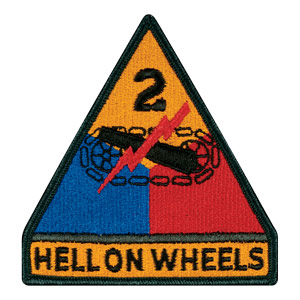
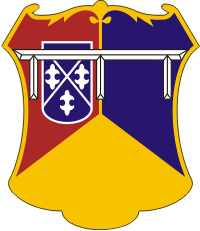
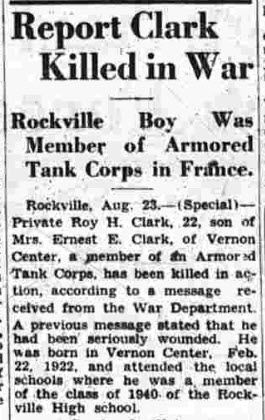
Roy Hill Clark was born on February 22, 1922 in Connecticut, the son of Ernest E & Laura H. Clark. Roy was the eldest son of six children: Doris, Roy, Elsie, Edward, Phyllis and Charles. In 1930, the family resided in Vernon, Tolland, Connecticut, where Edward worked as a "shepherd" on a dairy farm. Roy enlisted on 29 April 1943 and was assigned to the 66th Regiment, 2nd Armoured Division, nicknamed "Hell on Wheels". The unit’s history can be found on the web page: how-amps.org/2nd-armory-division-history: The 2nd Armoured Division was formed at Fort Benning, Georgia on 15 July 1940. At one point, Colonel George S. Patton, Jr. was in charge of training. Some parts of the division were among the first US military forces to participate in offensive operations in Europe and the Mediterranean theatre during the Second World War. This unit was part of the Western Task Force for Operation Torch, which landed in Casablanca, Morocco on 8 November 1942. The division lands on Omaha beach on D+2, June 9, 1944 and operates in the Contentin Peninsula and later forms the right flank of the assault of Operation Cobra. On 27 July 1944, the unit was approximately 18 km southwest of St. Lo. During this period, Pvt. Roy Hill Clark was killed. Cause of death indicated as "artillery shells, fragments. | ||||||||||||||||||||||||||||||
|
Source : Victor Daniel | ||||||||||||||||||||||||||||||





Activated/Activé |
Normandy/Normandie |
| 15 Jul 1940 | Days of Combat/Jour de Combat 443 |
| Casualties/Victimes 20 659 | |
Entered Combat/Entré au combat |
|
| 8 Nov 1942 | |
|
Commanding Generals/Commandants généraux Maj. Gen. Charles L. Scott (Jul 40 - Jan 41) |
Campaigns/CampagnesAlgeria-French Morocco (8 Nov 42 - 11 Nov 42) |
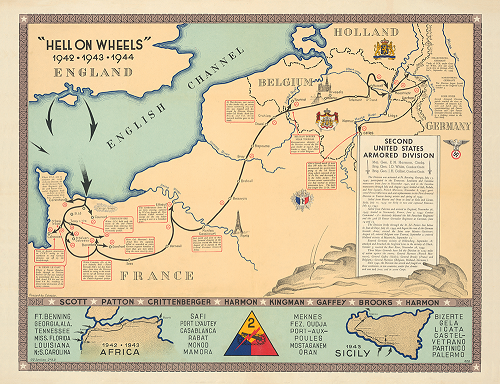
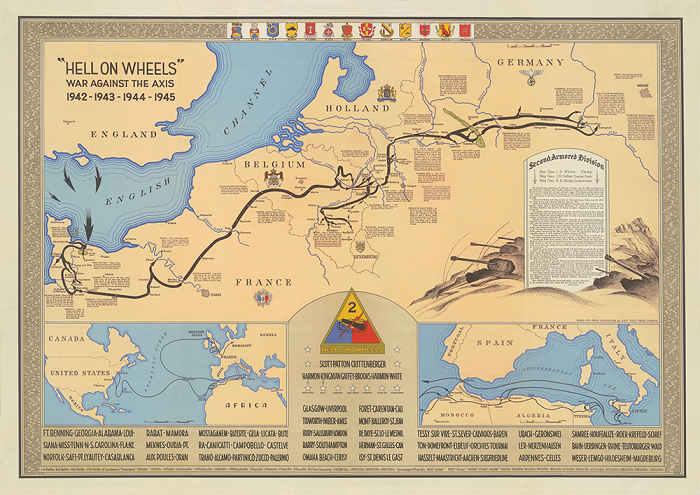
CARTES DE CAMPAGNE DE LA 2e DIVISION BLINDÉE - CAMPAIGN MAPS OF THE 2nd ARMORED DIVISION |
|
 |
|
|
These vintage maps chart the journey of the 2nd Armored Division throughout Europe during World War II. The top map covers the years 1942 to 1944. The bottom map includes 1945. Ces cartes d'époque illustrent le parcours de la 2e division blindée à travers l'Europe pendant la Seconde Guerre mondiale. La carte du haut couvre les années 1942 à 1944. La carte du bas comprend 1945.
|
|
 |
|
DIVISION CHRONICLEElements of the Division first saw action in North Africa, landing at Casablanca, 8 November 1942, and later taking part in the fighting at Beja, Tunisia, but the Division as a whole did not enter combat until the invasion of Sicily, when it made an assault landing at Gela, 10 July 1943. The Division saw action at Butera, Campobello,-and Palermo. After the Sicilian campaign, the Division trained in England for the cross-Channel invasion, landed in Normandy D plus 3, 9 June 1944, and went into action in the vicinity of Carentan; ; the Division raced across France in July and August, drove through Belgium and attacked across the Albert Canal 13 September 1944, crossing the German border at Schimmert, 18 September to take up defensive positions near Geilenkirchen. On 3 October, the Division launched an attack on the Siegfried Line from Marienberg, broke through, crossed the Wurm River and seized Puffendorf 16 November and Barmen 28 November. The Division was holding positions on the Roer when it was ordered to help contain the German Ardennes offensive. The Division fought in eastern Belgium, blunting the German Fifth Panzer Army's penetration of American lines. The Division helped reduce the Bulge in January, fighting in the Ardennes forest in deep snow, and cleared the area from Houffalize to the Ourthe River of the enemy. After a rest in February, the Division drove on across the Rhine 27 March, and was the first American Division to reach the Elbe at Schonebeck on 11 April. It was halted on the Elbe, 20 April, on orders. In July the Division entered Berlin-the first American unit to enter the German capital city. |
CHRONIQUE DE DIVISIONDes éléments de la division ont d'abord été déployés en Afrique du Nord, atterrissant à Casablanca le 8 novembre 1942, puis ont pris part aux combats à Beja, en Tunisie, mais la division dans son ensemble n'a pas envahi la Sicile. un assaut atterrissant à Gela, le 10 juillet 1943. La division a été attaquée à Butera, Campobello et Palerme. Après la campagne sicilienne, la division s’est entraînée en Angleterre pour l’invasion transmanche, a atterri en Normandie D plus 3, le 9 juin 1944, et s’est engagée dans les environs de Carentan; ; La Division a traversé la France en juillet et août, a traversé la Belgique le 13 septembre 1944 et a franchi la frontière allemande à Schimmert le 18 septembre pour traverser le canal Albert afin de prendre des positions défensives près de Geilenkirchen. Le 3 octobre, la division a lancé une attaque sur la ligne Siegfried au départ de Marienberg, a franchi la rivière Wurm et a saisi Puffendorf le 16 novembre et Barmen le 28 novembre. La division tenait des positions sur le Roer quand il a été ordonné d'aider à contenir l'offensive des Ardennes allemandes. La division a combattu dans l'est de la Belgique, brisant la pénétration des lignes américaines par la cinquième armée panzer allemande. La division a aidé à réduire les Ardennes en janvier, se battant dans la forêt des Ardennes dans la neige profonde, et a dégagé la zone de Houffalize à la rivière Ourthe de l'ennemi. Après un repos en février, la division a traversé le Rhin le 27 mars et a été la première division américaine à atteindre l’Elbe à Schonebeck le 11 avril. Il a été arrêté sur l'Elbe, le 20 avril, sur ordre. En juillet, la division est entrée dans Berlin, la première unité américaine à entrer dans la capitale allemande. |
| SOURCE INFORMATION & PHOTO | Armydivs.squarespace.com |
|---|
| SOURCE INFORMATION & SOURCE PHOTO | Victor DANIEL - abmc.gov - fold3.com - ancestry.com - fr.findagrave.com |
|---|---|
| EDITORS | Victor, Jean-Philippe, Eric, Henri, Garrett, Clive, Frédéric & Renaud |