


|
Raymond Thomas CAREY Jr
| ||||||||||||||||||||||||||||
|---|---|---|---|---|---|---|---|---|---|---|---|---|---|---|---|---|---|---|---|---|---|---|---|---|---|---|---|---|
|
Source : 319gliderman.com | ||||||||||||||||||||||||||||
| NUMBER OF SERVICE | O-1176572 | |||||||||||||||||||||||||||
| AGE | 27 yo | |||||||||||||||||||||||||||
| DATE OF BIRTH | 20 March 1917 Saratoga, Saratoga County, NEW YORK | |||||||||||||||||||||||||||
| ENLISTMENT STATE | NEW YORK | |||||||||||||||||||||||||||
| FAMILY |
Parents : Raymond T & Mary V Brothers : James E & William F | |||||||||||||||||||||||||||
| RANK |
| |||||||||||||||||||||||||||
| FONCTION | Liaison officer/observer | |||||||||||||||||||||||||||
| JOB BEFORE ENLISTEMENT | Iroquois Paper Company, Thomson, NEW YORK |  | ||||||||||||||||||||||||||
| DATE of ENLISTEMENT | 16 October 1940 | |||||||||||||||||||||||||||
| COMPANY | Battery A | |||||||||||||||||||||||||||
| BATTALION | 319th Field Artillery Battalion | |||||||||||||||||||||||||||
| DIVISION | 82nd Airborne Division | |||||||||||||||||||||||||||
| DATE OF DEATH | 4 July 1944 |
Source : Christine | ||||||||||||||||||||||||||
| STATUS | KIA | |||||||||||||||||||||||||||
| PLACE OF DEATH |
Hill95 Picauville | |||||||||||||||||||||||||||
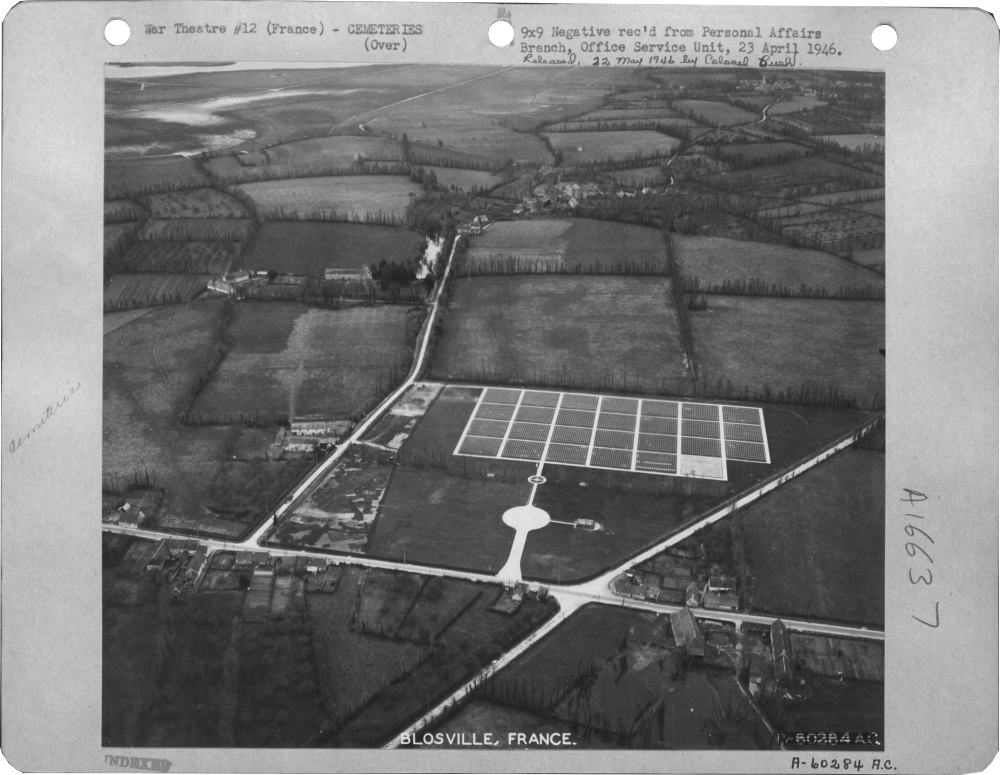
| CEMETERY TEMPORARY |
CEMETERY TEMPORARY of Blosville N°3508
| |||||||||||||||||||||||||||
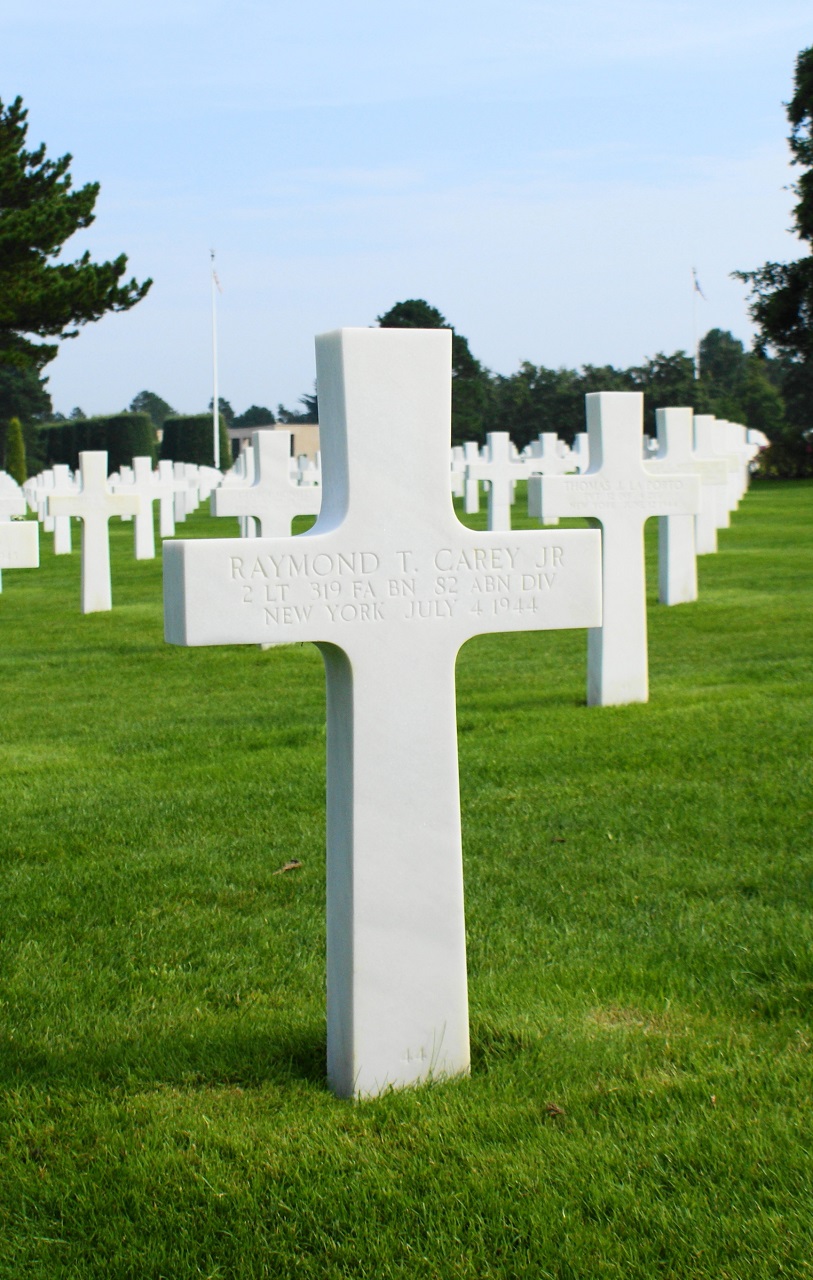
| CEMETERY | NORMANDY AMERICAN CEMETERY of Colleville | |||||||||||||||||||||||||||
| GRAVE |
| |||||||||||||||||||||||||||
| DECORATION & BREVET |
| |||||||||||||||||||||||||||
| ||||||||||||||||||||||||||||
| STORY | ||||||||||||||||||||||||||||
|
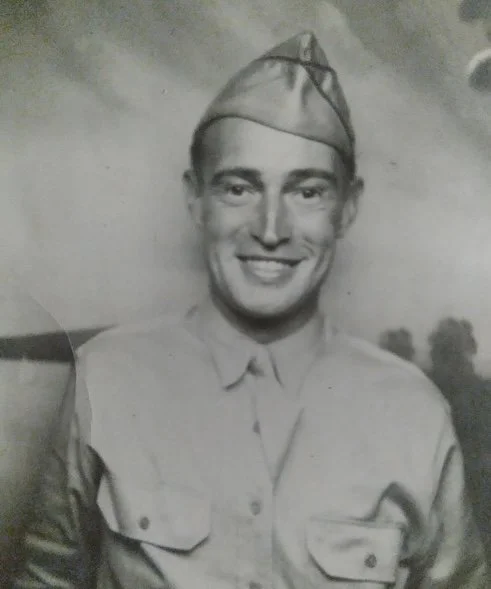
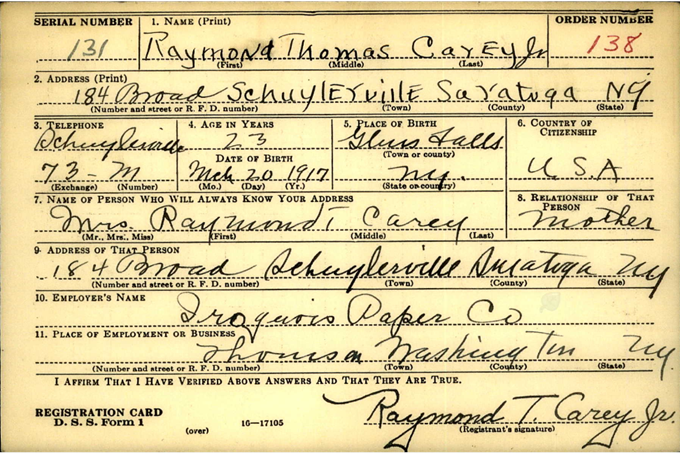
Raymond Thomas Carey, Jr., registered for the draft on October 16, 1940. Born March 20, 1917 he was from Schuylerville, New York. His place of employment was Iroquois Paper Company, Thomson, New York. This twenty-three-year-old was 5-10, 145 pounds with a light complexion, brown eyes and brown hair. It is believed he enlisted in the Army in 1941. Later promoted to a 2nd Lieutenant, Carey received his training at Fort Bragg, North Carolina and assigned to A-Battery. He is pictured (inset) on September 26, 1942, the 319th was now a glider field artillery battalion of the 82nd Airborne Division. | ||||||||||||||||||||||||||||
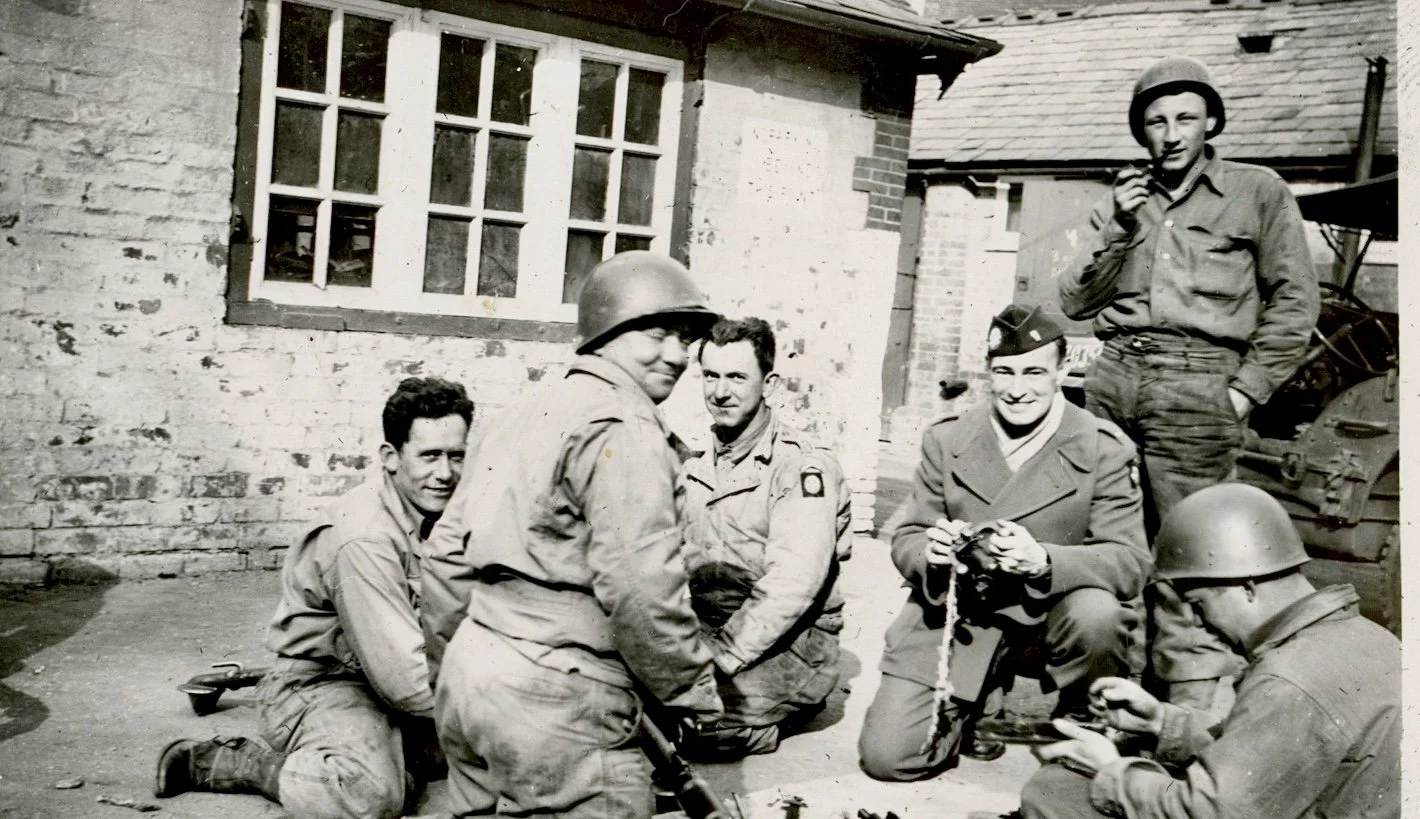 |
May 1944 - Papillon Hall - Market Harborough, England (L-R), Sebert Meadows, Forest McLain, Alva Cole, Raymond Carey (kneeling), Henry Rajhert, (standing), soldier (seated) unknown Source : 319gliderman.com | |||||||||||||||||||||||||||
|
Along with fellow Glider men and officers, LT Carey sailed to North Africa in May, 1943. He fought with the 319th in Maiori, Italy and at the Volturno River. LT Carey later sailed on the U.S.S. Joseph T. Dickman with the 319th to northern Ireland arriving December 9, 1943. While stationed in Ireland LT Carey was relieved from his assignment and duties of A- Battery and transferred to the HQ-Battery of the 319th on December 20, 1943. February 23, 1944, LT Carey was reassigned to the HQ-Battery Principle duty Battery Officer. He later traveled with the battalion to their new base camp in Market Harborough, England, training for the upcoming Normandy invasion. | ||||||||||||||||||||||||||||
|
2nd LT Carey, Youngstown, Ohio - March 1943 Source : 319gliderman.com | 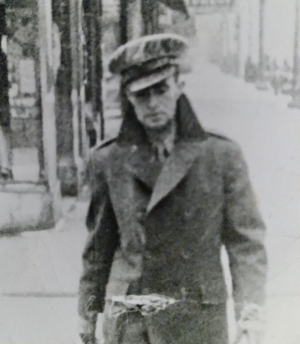 | |||||||||||||||||||||||||||
|
Source : Ancestry | ||||||||||||||||||||||||||||
|
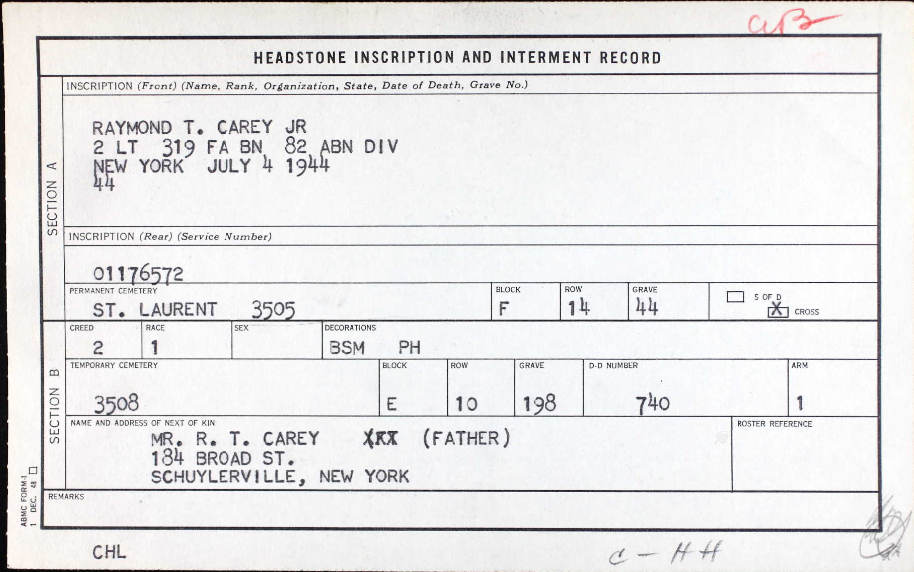
On July 4, 1944, 2nd LT Carey was killed in action. The battalion supported an attack on Hill 95 by the 508th Parachute Infantry Regiment at 0900 hours, near LaCotellerie-Picauville, France, and was met with a terrific pushback of artillery, machine gun, and mortar fire. The assault had only just been launched when a mortar round landed square among the liaison team from A-Battery, wiping them out. LT Carey, acting as Liaison Officer/forward observer with the 508th PIR and after relieving LT Ragland from his forward observer position, was killed along with fellow soldiers PVT Eugene Smith and PVT Theodore Ratlief. Years later LT Ragland was still troubled by Carey’s death, having only traded places with him a few hours before. “I told my wife once, I think LT Carey must have taken my place,” Ragland said regretfully. “He wasn’t there but half a day and he got killed. You just don’t know.” LT Carey’s death was a profound loss to his family in Schuylerville, New York. His grieving mother, a devout Catholic, had such faith she believed he would one day walk through the front door. His bedroom would be kept like a museum displaying the American flag and memories of high school and Fordham University. July 4th would forever be a solemn day in the Carey household. | ||||||||||||||||||||||||||||
|
Source : Ancestry | ||||||||||||||||||||||||||||
|
On July 4, 1944, 2nd LT Carey was killed in action. The battalion supported an attack on Hill 95 by the 508th Parachute Infantry Regiment at 0900 hours, near LaCotellerie-Picauville, France, and was met with a terrific pushback of artillery, machine gun, and mortar fire. The assault had only just been launched when a mortar round landed square among the liaison team from A-Battery, wiping them out. LT Carey, acting as Liaison Officer/forward observer with the 508th PIR and after relieving LT Ragland from his forward observer position, was killed along with fellow soldiers PVT Eugene Smith and PVT Theodore Ratlief. Years later LT Ragland was still troubled by Carey’s death, having only traded places with him a few hours before. “I told my wife once, I think LT Carey must have taken my place,” Ragland said regretfully. “He wasn’t there but half a day and he got killed. You just don’t know.” LT Carey’s death was a profound loss to his family in Schuylerville, New York. His grieving mother, a devout Catholic, had such faith she believed he would one day walk through the front door. His bedroom would be kept like a museum displaying the American flag and memories of high school and Fordham University. July 4th would forever be a solemn day in the Carey household. | ||||||||||||||||||||||||||||
| Source : 319gliderman.com | 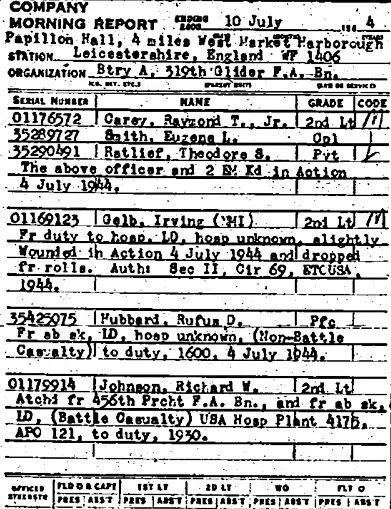 | |||||||||||||||||||||||||||
| A New York news paper article recognized 2nd LT Carey’s death according to the War Department, citing his participation in the invasions of Sicily and Salerno before being transferred to England with the airborne artillery glider troops. At the time of his death he was survived by his parents and two brothers who were also serving in the military in New Guinea and England. | ||||||||||||||||||||||||||||








Activated/Activé |
Normandy/Normandie |
| 25 Mar 1942 | Days of Combat/Jour de Combat 422 |
| Casualties/Victimes 9 073 | |
Entered Combat/Entré au combat |
|
| 9 Jul 1943 at Sicily | |
|
Commanding Generals/Commandants généraux Maj. Gen. Omar Bradley (Mar 42 - Jun 42) |
Campaigns/CampagnesSicily (9 Jul - 17 Aug 43) Normandy (6 Jun 44 - 24 Jul 44) Rhineland (15 Sep 44 - 21 Mar 45) |
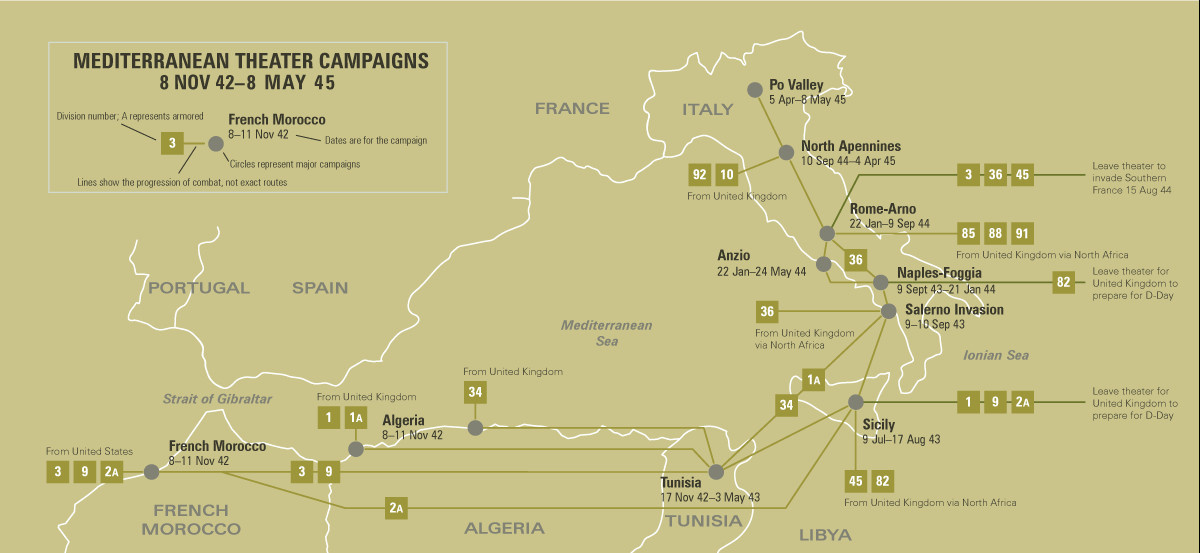
CARTE DE CAMPAGNE DU THÉÂTRE MÉDITERRANÉENCAMPAIGN MAP OF THE MEDITERRANEAN THEATER |
|
 |
|
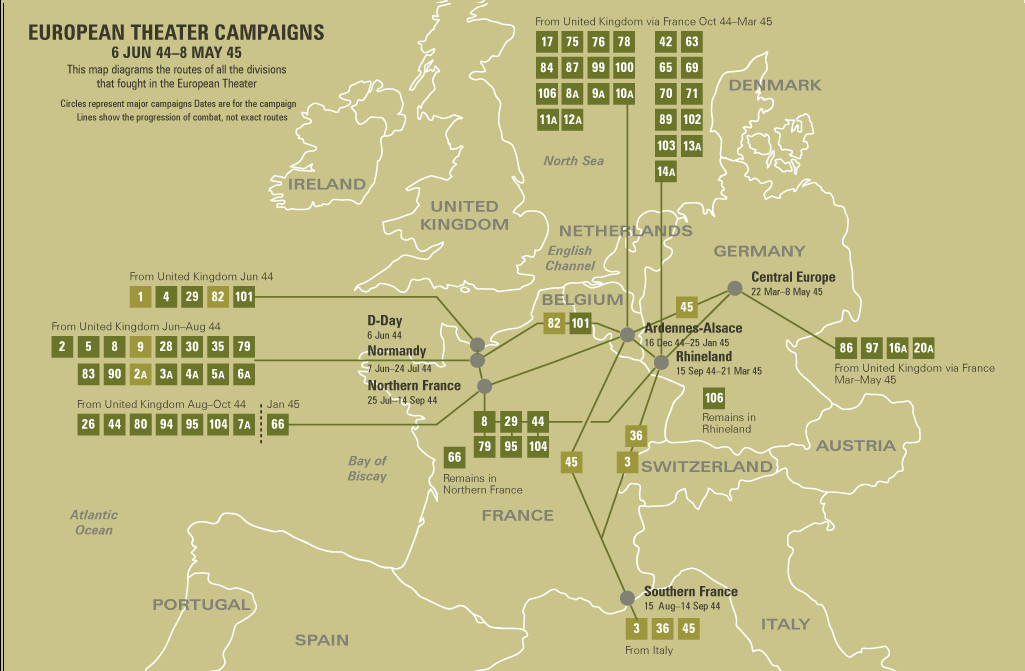
PLAN DE ROUTE DE LA CAMPAGNE - CAMPAIGN ROUTE MAP |
|
 |
|
DIVISION CHRONICLEThe 82d Airborne Division landed at Casablanca, 10 May 1943, and trained. Elements first saw combat in Sicily, when the 505th RCT and part of the 504th dropped behind enemy lines, 9-10 July 1943, at Gela. The remainder of the 504th RCT dropped, 11-12 July 1943, also near Gela, after running friendly naval and ground force fire. Scattered elements formed and fought as ground troops. The elements were flown back to Tunisia for reequipment and returned to Sicily to take off for drop landings on the Salerno beachhead. The 504th Parachute Infantry dropped, 13 September 1943, and the 505th the following night; the 325th landed by boat. These elements bolstered Salerno defenses and fought their way into Naples, 1 October 1943. After a period of occupation duty (and combat for some elements in the Volturno Valley and Anzio beachhead), the Division moved to Ireland, November 1943, and later to England, February 1944, for additional training. Moving in by glider and parachute, troops of the 82d dropped behind enemy lines in Normandy on D-day, 6 June 1944, before ground troops hit the beaches. Cutting off enemy reinforcements, the Division fought its way from Carentan to St. Sauveur-le-Vicomte, fighting 33 days without relief. Relieved on 8 July, it returned to England for refitting. On 17 September, it was dropped at Nijmegen, 50 miles behind enemy lines, and captured the Nijmegen bridge, 20 September, permitting relief of British paratroops by the British 2d Army. After heavy fighting in Holland, the Division was relieved 11 November and rested in France. It was returned to combat, 18 December 1944, to stem the von Rundstedt offensive, blunting the northern salient of the Bulge. It punched through the Siegfried Line in early February 1945, and crossed the Roer, 17 February. Training with new equipment in March, the Division returned to combat, 4 April, patrolling along the Rhine, securing the Koln area, later moving across the Elbe, 30 April, into the Mecklenburg Plain, where, 2 May 1945, the German 21st Army surrendered. |
CHRONIQUE DE DIVISIONLa 82ème division aéroportée a atterri à Casablanca le 10 mai 1943 et s'est entraînée. Les éléments ont d'abord été combattus en Sicile, lorsque le 505ème RCT et une partie du 504ème ont été largués derrière les lignes ennemies, du 9 au 10 juillet 1943, à Gela. Le reste de la 504ème RCT est tombé, du 11 au 12 juillet 1943, également près de Gela, après des tirs amicaux contre des forces navales et terrestres. Des éléments épars se sont formés et se sont battus en tant que troupes au sol. Les éléments ont été rapatriés en Tunisie pour le rééquipement et sont retournés en Sicile pour décoller pour atterrir sur la tête de pont de Salerne. Le 504th Infantry Parachute Infantry est tombé le 13 septembre 1943 et le 505ème le lendemain soir; la 325ème atterrit en bateau. Ces éléments ont renforcé les défenses de Salerno et se sont introduits à Naples, le 1er octobre 1943. Après une période d'occupation (et de combat pour certains éléments dans la vallée de Volturno et la tête de pont d'Anzio), la division s'est installée en Irlande en novembre 1943 , Février 1944, pour une formation supplémentaire. Se déplaçant en planeur et en parachute, les troupes du 82d tombèrent derrière les lignes ennemies en Normandie le 6 juin 1944, avant que les troupes terrestres ne frappent les plages. En coupant les renforts ennemis, la Division se fraya un chemin de Carentan à Saint-Sauveur-le-Vicomte, combattant 33 jours sans soulagement. Soulagé le 8 juillet, il est retourné en Angleterre pour y être réaménagé. Le 17 septembre, il a été largué à Nimègue, à 50 milles derrière les lignes ennemies, et a capturé le pont de Nimègue, le 20 septembre, permettant ainsi à la 2 e armée britannique de soulager les parachutistes britanniques. Après de violents combats en Hollande, la division est soulagée le 11 novembre et se repose en France. Il fut remis au combat le 18 décembre 1944 pour endiguer l’offensive de von Rundstedt, assourdissant le saillant septentrional des Ardennes. Il a percuté la ligne Siegfried au début de février 1945 et a traversé la Roer le 17 février. S'entraînant avec de nouveaux équipements en mars, la Division est revenue au combat le 4 avril, patrouillant le long du Rhin, sécurisant la région de Koln, traversant ensuite l'Elbe le 30 avril dans la plaine de Mecklenburg où, le 2 mai 1945 s'est rendu. |
| SOURCE INFORMATION & PHOTO | Armydivs.squarespace.com |
|---|
| SOURCE INFORMATION & SOURCE PHOTO | Arnaud Gaté - Findagrave.com - Weremember.abmc.gov - Ancestry - 319gliderman.com |
|---|---|
| EDITORS | Victor, Jean-Philippe, Eric, Henri, Garrett, Clive, Frédéric & Renaud |