


|
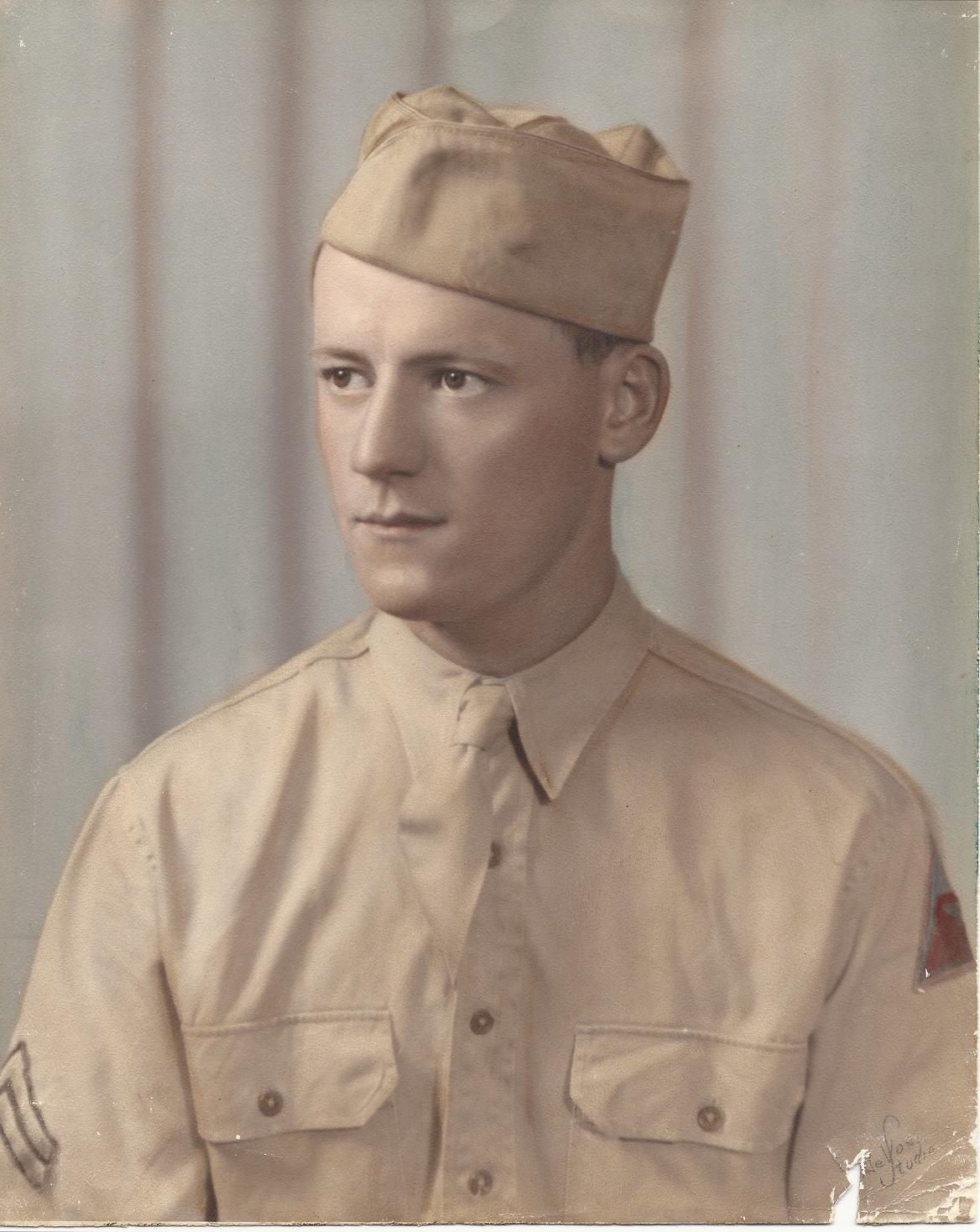
Adrian Joseph PELLETIER
| ||||||||||||||||||||||||
|---|---|---|---|---|---|---|---|---|---|---|---|---|---|---|---|---|---|---|---|---|---|---|---|---|
 | ||||||||||||||||||||||||
| NUMBER OF SERVICE | 31082698 | |||||||||||||||||||||||
| AGE | 24 yo | |||||||||||||||||||||||
| DATE OF BIRTH | 13 February 1920 Sainte-Anne de la Pocatière in Quebec | |||||||||||||||||||||||
| ENLISTMENT STATE | MASSACHUSETTS | |||||||||||||||||||||||
| FAMILY |
Parents : Joseph J PELLETIER Brothers : Alphonse, Edmond & Armand Sisters : Rita & Theresa | |||||||||||||||||||||||
| RANK |
| |||||||||||||||||||||||
| FONCTION | Paratroopers | |||||||||||||||||||||||
| JOB BEFORE ENLISTEMENT | Unskilled construction occupations |  | ||||||||||||||||||||||
| DATE of ENLISTEMENT | 22 August 1942 Fort Devens MASSACHUSETTS | |||||||||||||||||||||||
| COMPANY | Company H | |||||||||||||||||||||||
| BATTALION | 3rd Battalion | |||||||||||||||||||||||
| REGIMENT | 502nd Parachute Infantry Regiment | |||||||||||||||||||||||
| DIVISION | 101st Airborne Division | |||||||||||||||||||||||
| DATE OF DEATH | 8 June 1944 | 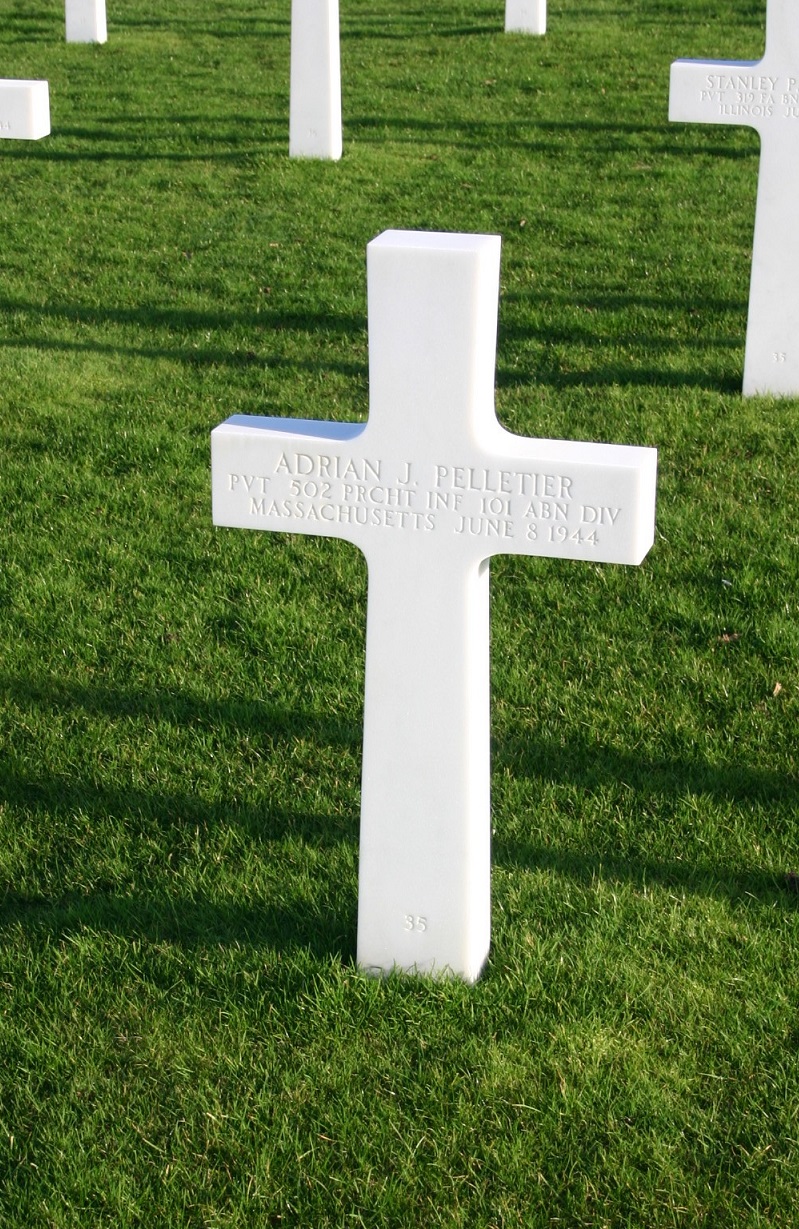 | ||||||||||||||||||||||
| STATUS | KIA | |||||||||||||||||||||||
| PLACE OF DEATH | Houesville | |||||||||||||||||||||||
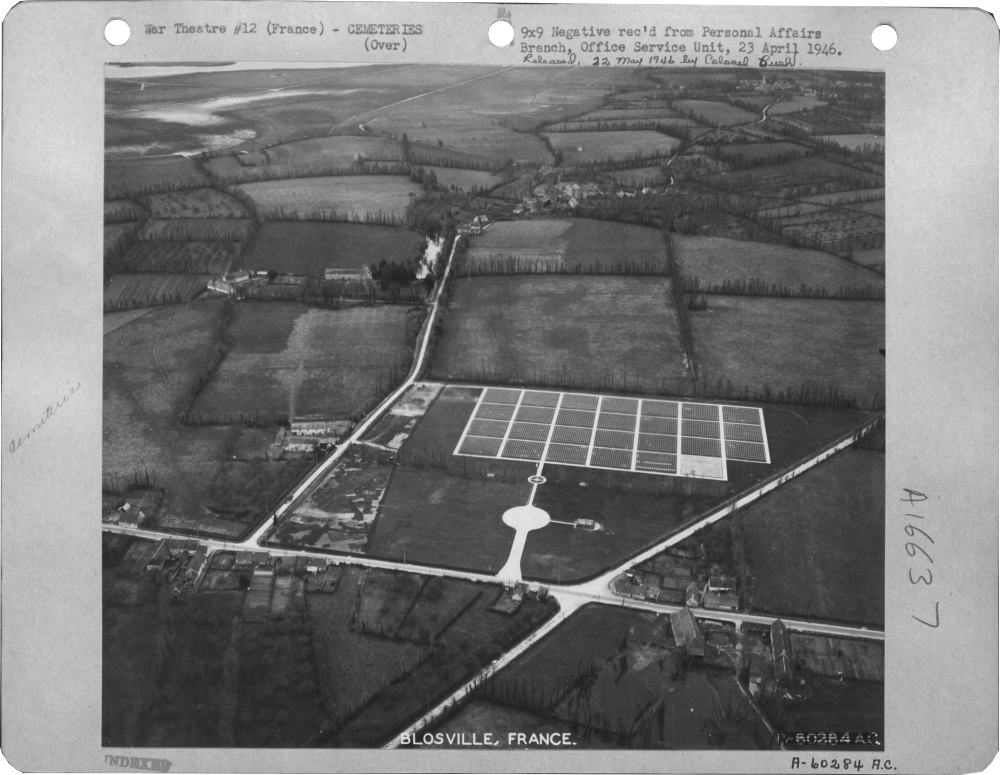
| CEMETERY TEMPORARY | CEMETERY TEMPORARY of Blosville N°3508
| |||||||||||||||||||||||
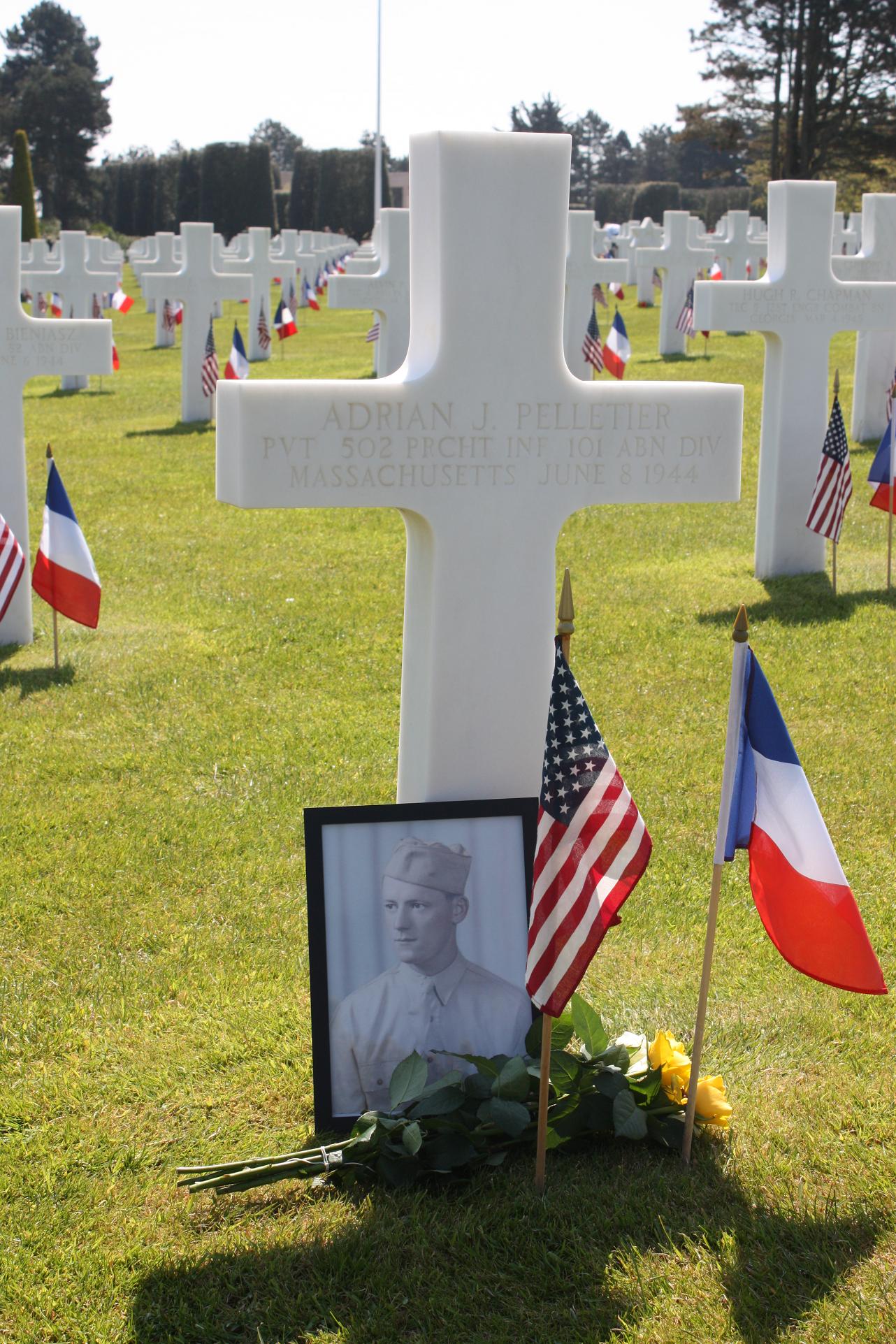
| CEMETERY | NORMANDY AMERICAN CEMETERY of Colleville | |||||||||||||||||||||||
| GRAVE |
| |||||||||||||||||||||||
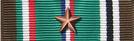
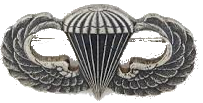
| DECORATION |
| |||||||||||||||||||||||
| ||||||||||||||||||||||||
| STORY | ||||||||||||||||||||||||
|
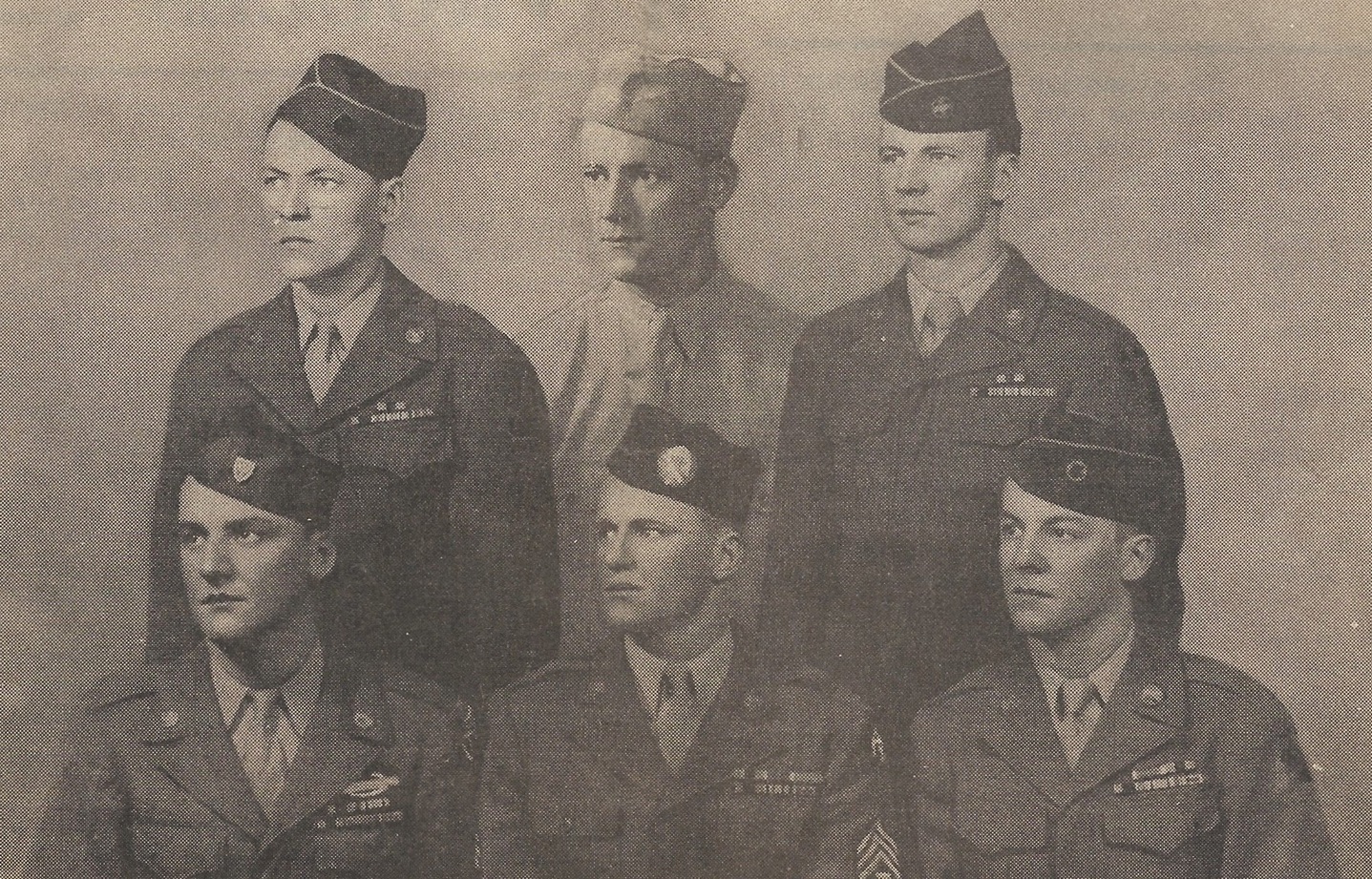
This photo where Adrian’s 5 brothers posed together for the photographer, and left a place for the photographer to add Adrian’s portrait afterwards and thus create one of the 6 brothers together. This photo, taken just after the war during a tribute to Adrian. Source : Bruno Cadeville | ||||||||||||||||||||||||
 | Originally from Sainte-Anne de la Pocatière in Quebec, Adrian was born on February 13, 1920. He is from a family of 11 children. He has 6 brothers and 4 sisters. The family immigrates to the United States in 1928, they settle in Salem (Massachusetts). Adrian will grow up there, attend high school and be a good football and basketball player. The history of the Pelletier family goes back 11 generations to Eloy Pelletier born in Bresolettes in France, so there is a French link with the Pelletier family. After his studies, Adrian worked as a machine operator at the company A.C. Lawrence Leather Co. On August 22, 1942, he joined the US Army. In 1943, he joined the 750th Tank Battalion at Fort Knox within Company A. He became a non-commissioned officer. During the second part of 1943, he decides to join the airborne troops, he agrees to sacrifice his rank as a non-commissioned officer and to follow the training. On November 25, he performs his first jump which will take him to the brevet. In early 1944, he joined England, he joined the 502nd Parachute Infantry Regiment and the 3rd Battalion, Company H. He followed there like his hundreds of brothers-in-arms the final preparations for Operation Overlord. He participates in Operation Eagle in May, it is during this life-size rehearsal that 8 of the 9 aircraft carrying H Company will drop their paratroopers at 15 kilometers from their target ... , a sign of what will happen a month later. As D-Day approaches, the 3rd Battalion is transferred to Air Station 486 at Greenham Common, cut off from the world; the men will discover their objectives. For the 3rd Battalion, it is to take and hold the beach exits 3 (Audouville-La-Hubert) and 4 (Saint-Martin-de-Varreville). north of Utah Beach. To carry out this mission, the 502nd P.I.R. had to be parachuted onto Drop Zone A located near the beach exits near Saint-martin-de-Varreville. Scheduled for June 5th, Operation Overlord is postponed by 24 hours due to bad weather conditions. In the afternoon of June 5, the men of the 502nd PIR receive a visit from General Eisenhower. The 3rd Battalion will be transported by the 438th Troop Carrier Group of the 9th US Air Force for an arrival at the Drop Zone at 00:56. At 10:56 PM, the entire fleet took off and began to form, it heads towards Normandy. The Serial 8 in which Adrian is located, is the second wave of the fleet carrying the 101st Airborne. After a quiet crossing, the aircraft cross the coast of the Cotentin peninsula, from that moment on, a bank of clouds faces the aircraft, anti-aircraft defense puts on batteries and covers the sky with tracer bullets, these difficulties will break the formations. Despite everything, the 3rd Battalion lands near the DZ A. | |||||||||||||||||||||||
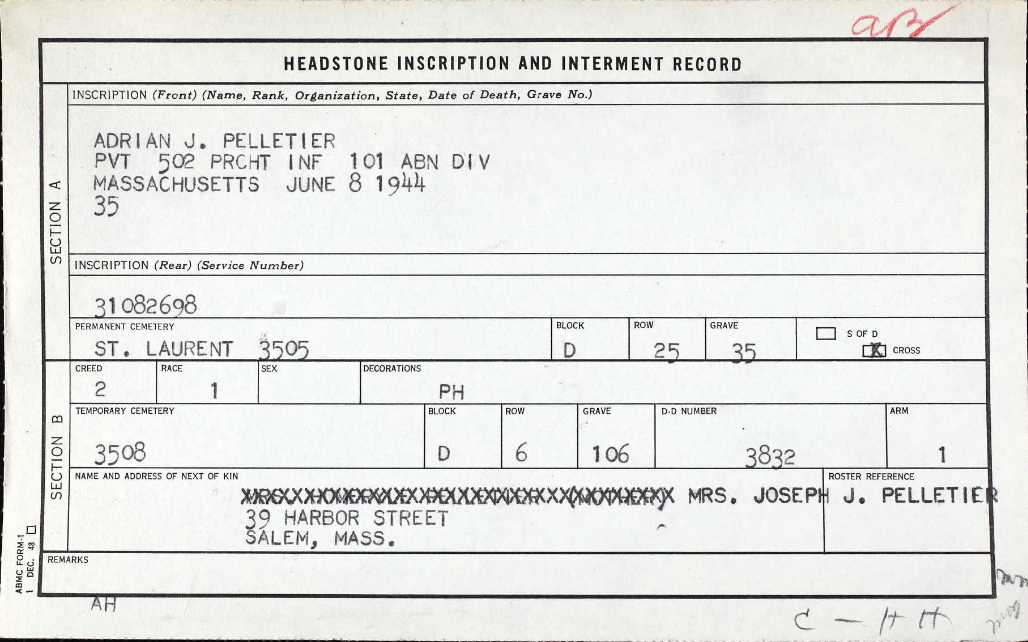
| The objectives of these first hours will be achieved by the men of the 502nd PIR. On June 7, the battalion moves from Saint-Germain-de-Varreville to Houesville. The 3rd battalion positions at the western edge of Houesville. Indeed, on D-Day +2, the 502nd was tasked with joining the attack planned by the Commander of the 506th PIR on Saint-Côme-du-Mont. The two battalions available for the attack are the 1st and 3rd battalion. The immediate objective is the village of Houesville. Company H positioned at the level of the hamlet of La Pierre to the west of the village is facing the German paratroopers of the Fallschirmjäger Regiment 6. The fighting begins around 2:00 in the morning on June 8th. Violent clashes take place until the morning. Three paratroopers of the 502nd fall during the fights including Adrian. | 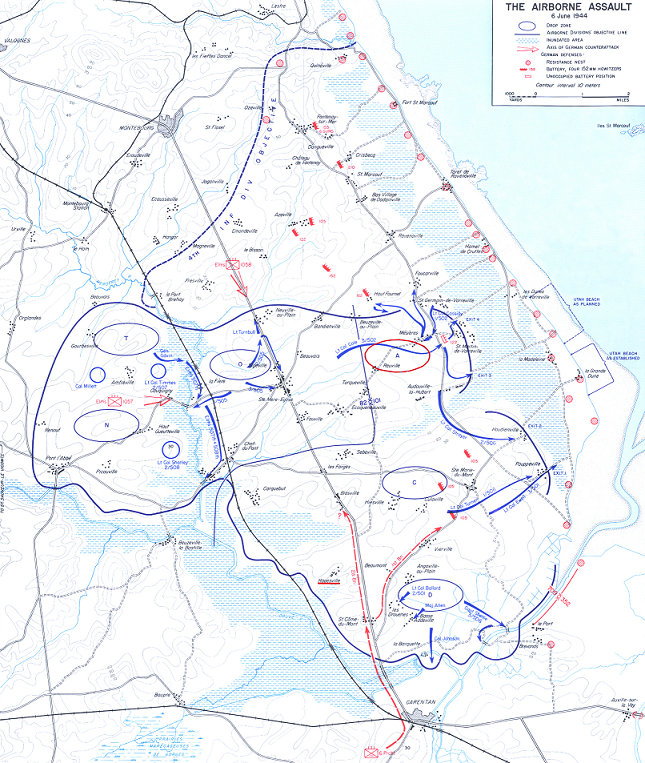 | |||||||||||||||||||||||
|
Source : Ancestry | ||||||||||||||||||||||||
|
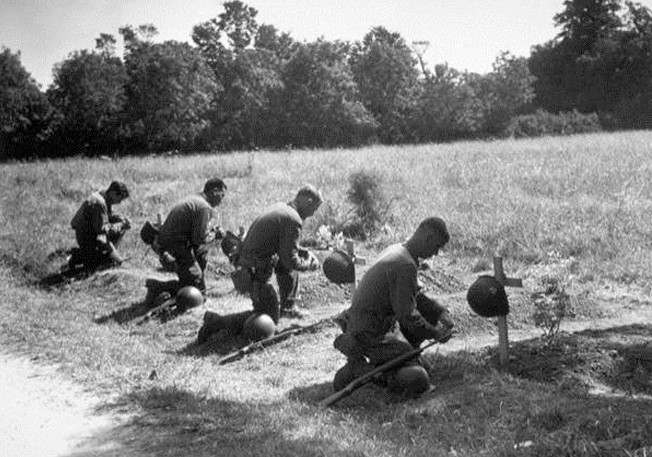
In the morning, on the orders of the American paratroopers, residents of the village dig tombs for the three paratroopers who died there and a fourth one falls near the presbytery and is brought back to rest with his brothers-in-arms, in addition to Adrian, these three other paratroopers are: Pfc. Delbert L. Troutman (H Co, 3rd Bat.), Pfc. Ray E. Sanders (H Co, 3rd Bat.) and Wilbur E. Campbell (HQ Co, 502nd). The crosses are made by an inhabitant and bear the name of each parachutist. The tombs will be maintained and decorated by the inhabitants of Houesville until July 5, 1944.
Adrian will rest in Blosville until his move to the American cemetery of Colleville-sur-Mer on July 30, 1948.
Of Adrian’s six brothers, five joined and served the US Army from 1941 in different theatres of operations.
Only Adrian didn’t come back.
| ||||||||||||||||||||||||
|
Source : Bruno Cadeville |
Book by Mark Bando "Sreaming Eagles"
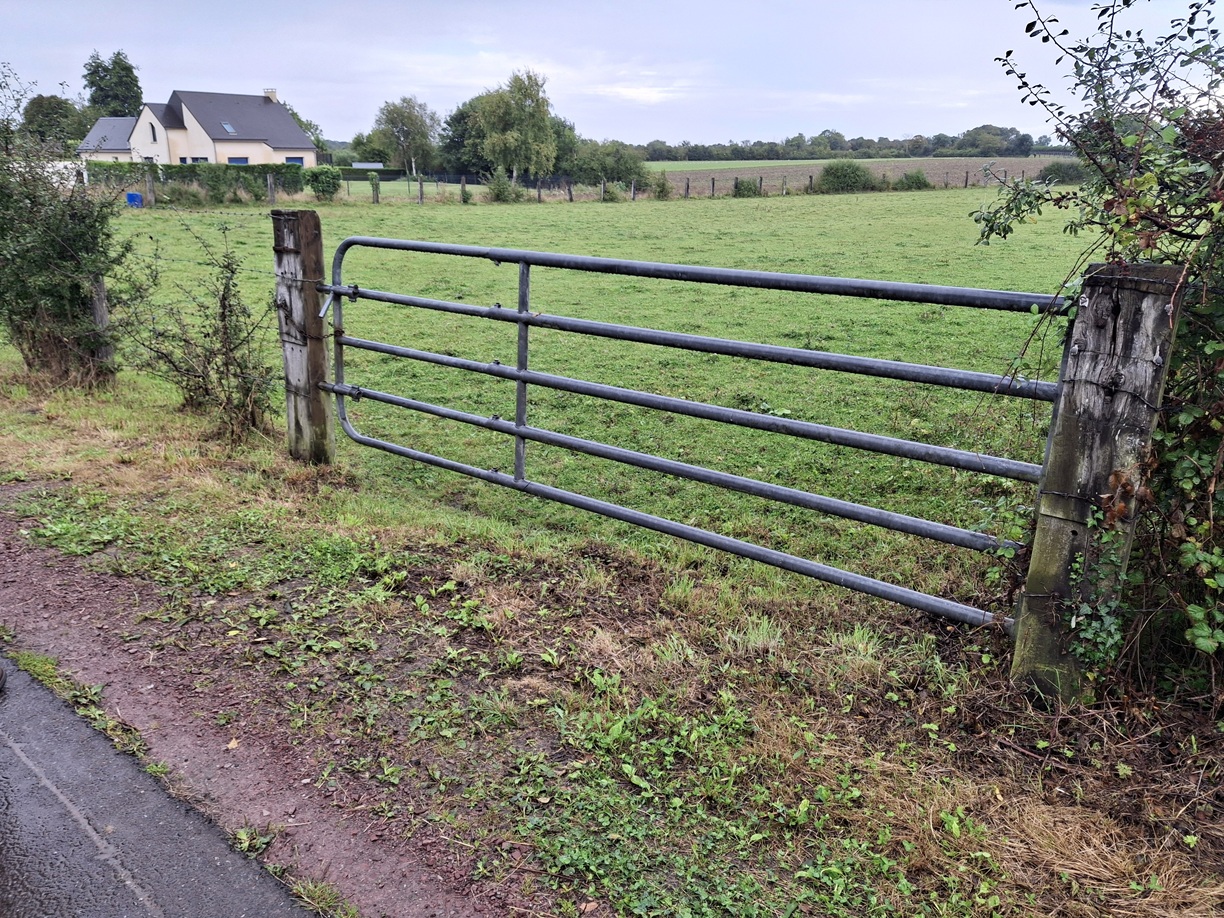
Houesville
|
Source : Bruno Cadeville | ||||||||||||||||||||||





Activated/Activé |
Normandy/Normandie |
| 15 Aug 1942 | Days of Combat/Jour de Combat 214 |
| Casualties/Victimes 9 328 | |
Entered Combat/Entré au combat |
|
| 6 Jun1944 D-Day | |
|
Commanding Generals/Commandants généraux Maj. Gen. William C. Lee (Aug 42 - Mar 44) |
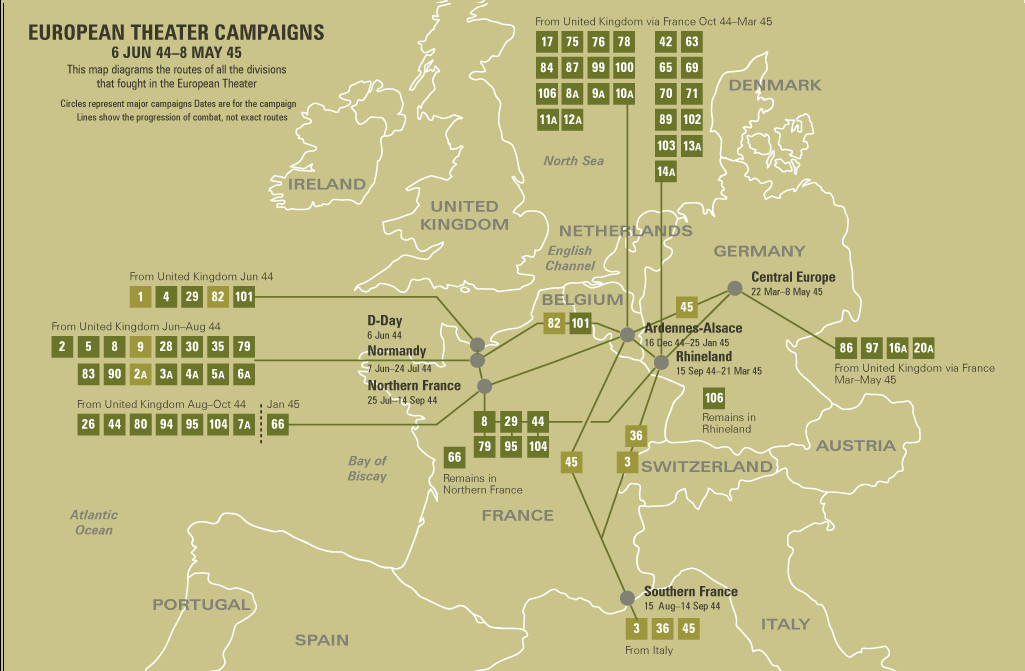
Campaigns/CampagnesNormandy (6 Jun 44 - 24 Jul 44) Rhineland (15 Sep 44 - 21 Mar 45)
|
PLAN DE ROUTE DE LA CAMPAGNE - CAMPAIGN ROUTE MAP |
|
 |
|
DIVISION CHRONICLEThe 101st Airborne arrived in England, 15 September 1943, and received additional training in Berkshire and Wiltshire. On 6 June 1944, the Division was dropped into Normandy behind Utah Beach. Against fierce resistance it took Pouppeville, Vierville, and St. Come du Mont. On the 12th, the stronghold of Carentan fell, and after mopping up and maintaining its positions, the Division returned to England, 13 July, for rest and training. On 17 September 1944, taking part in one of the largest of airborne invasions, the 101st landed in Holland, took Vechel and held the Zon bridge. St. Oedenrode and Eindhoven fell after sharp fighting on the 17th and 18th. Opheusden changed hands in a shifting struggle, but the enemy was finally forced to withdraw, 9 October. After extensive patrols, the Division returned to France, 28 November, for further training. On 18 December, it moved to Belgium to stop the German breakthrough. Moving into Bastogne under the acting command of Brig. Gen. Anthony C. McAuliffe, it set up a circular defense and although completely surrounded, refused to surrender on 22 December. Its perimeter held against violent attacks. The 4th Armored Division finally reached the 101st on the 26th and the enemy offensive was blunted. Very heavy fighting continued near Bastogne for the rest of December and January. On 17 January 1945, the Division moved to Drulingen and Pfaffenhoffen in Alsace and engaged in defensive harassing patrols along the Moder River. On 31 January, it crossed the Moder in a three-company raid. After assembling at Mourmelon, France, 26 February 1945, for training, it moved to the Ruhr pocket, 31 March, patrolling and raiding in April and engaging in military government at Rheydt and Munchen-Gladbach. The 101st reached Berchtesgaden by the end of the war and performed occupational duties until inactivation in Germany. |
CHRONIQUE DE DIVISIONLe 101st Airborne est arrivé en Angleterre, le 15 septembre 1943, et a reçu une formation supplémentaire dans le Berkshire et le Wiltshire. Le 6 juin 1944, la division est larguée en Normandie derrière Utah Beach. Contre une résistance féroce, il fallut Pouppeville, Vierville et St. Come du Mont. Le 12, le fief de Carentan est tombé, et après avoir nettoyé et maintenu ses positions, la Division est revenue en Angleterre, le 13 juillet, pour se reposer et s'entraîner. Le 17 septembre 1944, participant à l'une des plus grandes invasions aéroportées, la 101st débarque en Hollande, prend Vechel et tient le pont de Zon. St. Oedenrode et Eindhoven sont tombés après des combats acharnés les 17 et 18. Opheusden a changé de mains dans une lutte changeante, mais l'ennemi a finalement été forcé de se retirer, le 9 octobre. Après de longues patrouilles, la Division revint en France le 28 novembre pour suivre une formation complémentaire. Le 18 décembre, il a déménagé en Belgique pour arrêter la percée allemande. Déménagement à Bastogne sous le commandement de Brig. Général Anthony C. McAuliffe, il a mis en place une défense circulaire et bien que complètement encerclé, a refusé de se rendre le 22 décembre. Son périmètre tenu contre les attaques violentes. La 4e division blindée atteignit finalement la 101e le 26 et l'offensive ennemie fut émoussée. De très violents combats ont continué près de Bastogne pour le reste de décembre et janvier. Le 17 janvier 1945, la division s'est déplacée à Drulingen et à Pfaffenhoffen en Alsace et s'est livrée à des patrouilles de harcèlement défensif le long de la rivière Moder. Le 31 janvier, il a traversé le Moder dans un raid de trois compagnies. Après s'être rassemblé à Mourmelon, France, le 26 février 1945, pour s'entraîner, il s'installa dans la poche de la Ruhr, le 31 mars, patrouillant et faisant des raids en avril et s'engageant dans un gouvernement militaire à Rheydt et Munchen-Gladbach. La 101e a atteint Berchtesgaden à la fin de la guerre et a exercé des fonctions professionnelles jusqu'à l'inactivation en Allemagne. |
| SOURCE INFORMATION & PHOTO | Armydivs.squarespace.com |
|---|
| SOURCE INFORMATION & PHOTO | Bruno CADEVILLE - Ablecompany502pir.org - Aad.archives.gov - Findagrave.com - Weremember.abmc.gov - Ancestry |
|---|---|
| PROGRAMMER | Garrett, Clive, Frédéric & Renaud |