

|
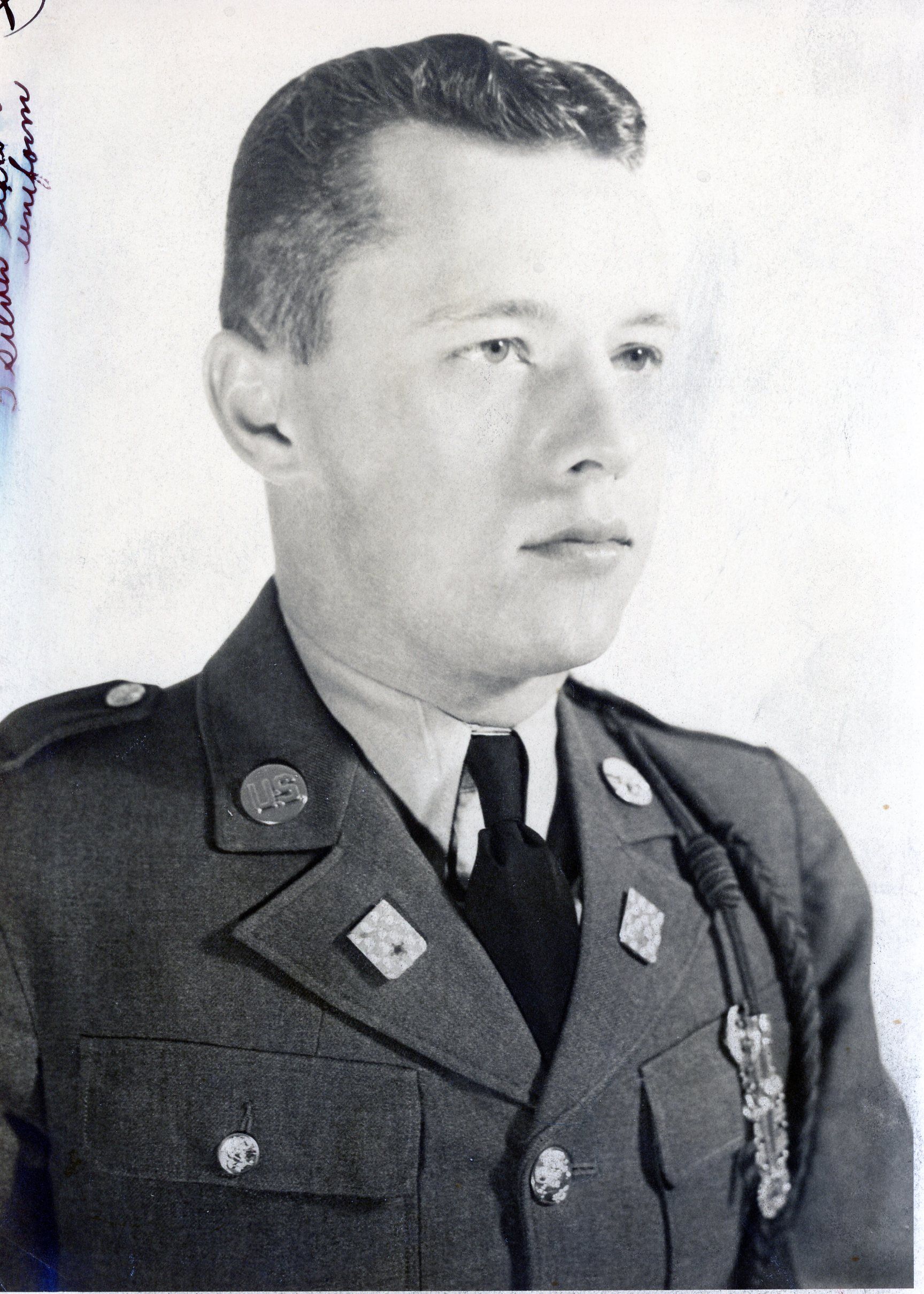
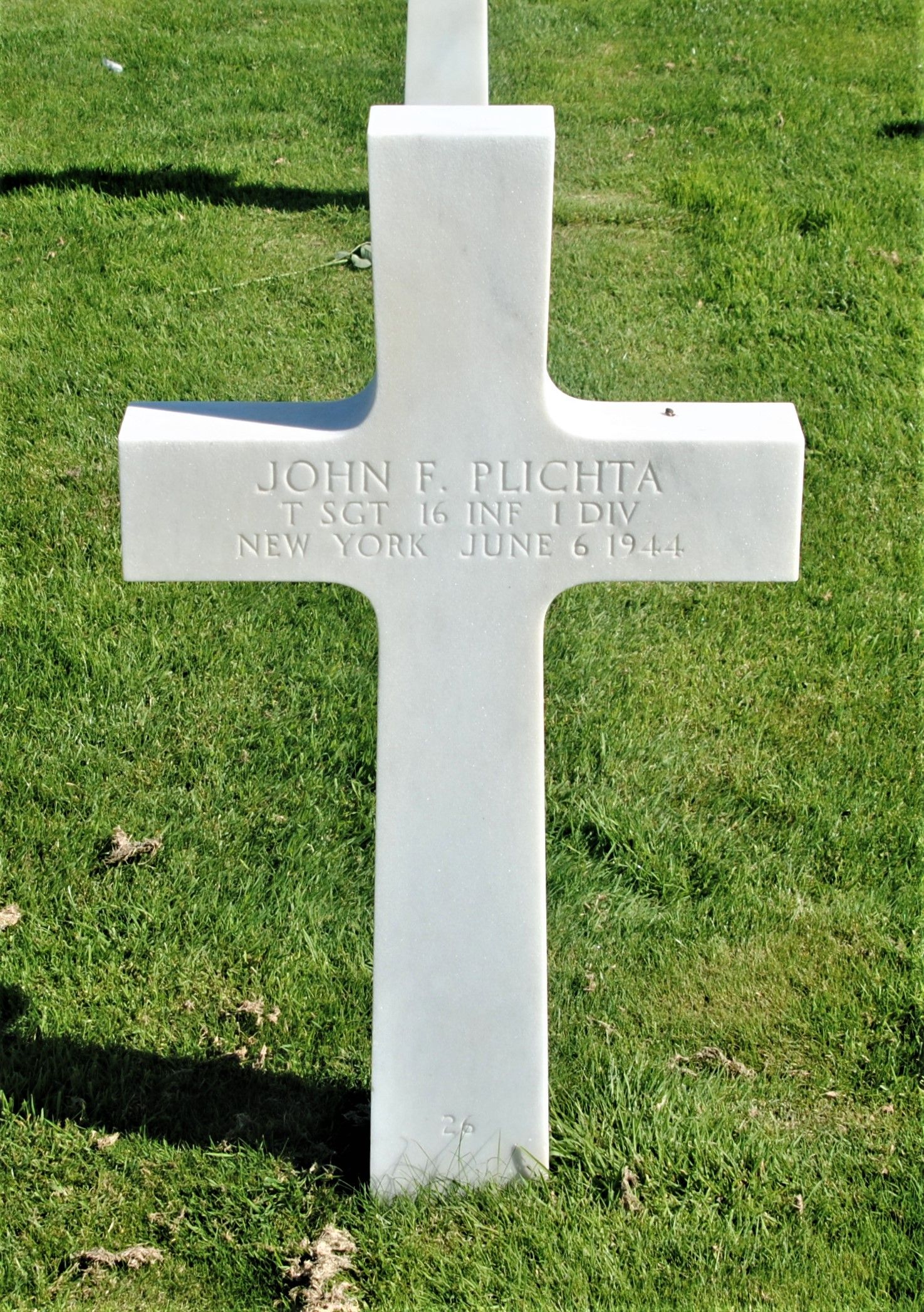
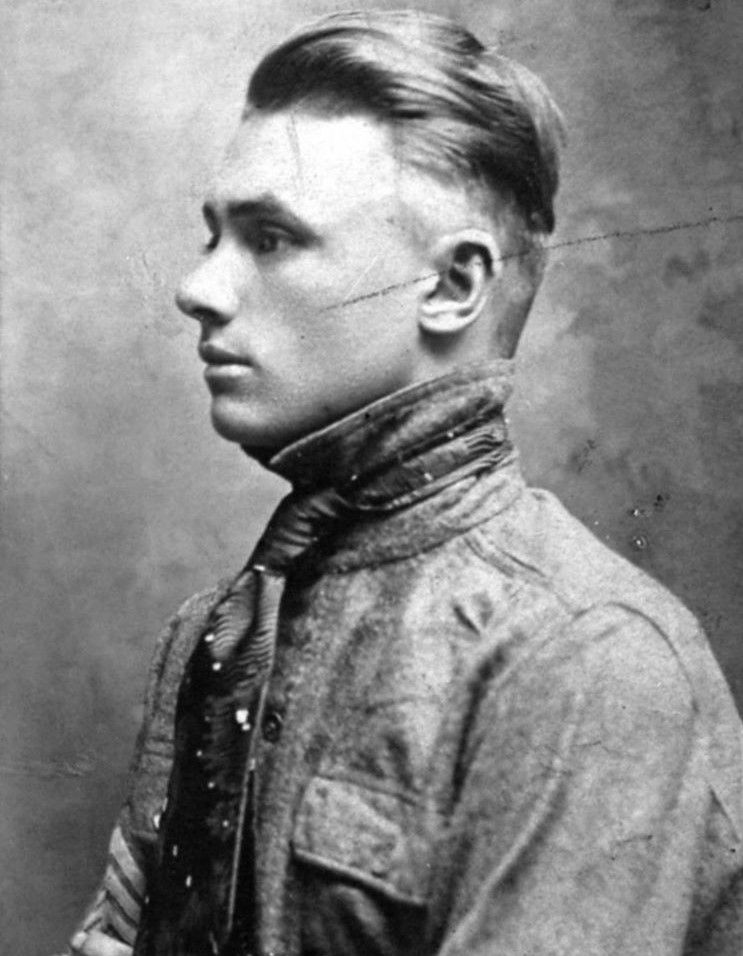
John Frank PLICHTA
| ||||||||||||||||||||||||||||
|---|---|---|---|---|---|---|---|---|---|---|---|---|---|---|---|---|---|---|---|---|---|---|---|---|---|---|---|---|
|
Source : LoisH
| ||||||||||||||||||||||||||||
| NUMBER OF SERVICE | 12006461 | |||||||||||||||||||||||||||
| AGE | 21 yo | |||||||||||||||||||||||||||
| DATE OF BIRTH | 1923 Brownsville, Fayette County, PENNSYLVANIA | |||||||||||||||||||||||||||
| ENLISTMENT STATE | NEW YORK | |||||||||||||||||||||||||||
| FAMILY |
Parents : Albert Victor & Mary Turek PLICHTA Siblings : Albert William, Mary Lucy, Margaret A, Max M, Joseph A, Louis Albert & Margaret | |||||||||||||||||||||||||||
| RANK | Technical Sergeant | |||||||||||||||||||||||||||
| FONCTION | Infantry Man | |||||||||||||||||||||||||||
| JOB BEFORE ENLISTEMENT | Semiskilled routemen |  | ||||||||||||||||||||||||||
| DATE of ENLISTEMENT | 12 July 1940 New york City NEW YORK | |||||||||||||||||||||||||||
| COMPANY | Company | |||||||||||||||||||||||||||
| BATTALION | 2nd Battalion | |||||||||||||||||||||||||||
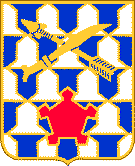
| REGIMENT | 16th Infantry Regiment | |||||||||||||||||||||||||||
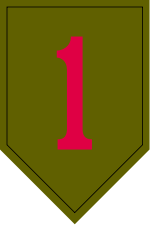
| DIVISION | 1st Infantry Division | |||||||||||||||||||||||||||
| DATE OF DEATH | 6 June 1944 |
Source : Frogman | ||||||||||||||||||||||||||
| STATUS | KIA | |||||||||||||||||||||||||||
| PLACE OF DEATH | Omaha Beach | |||||||||||||||||||||||||||
| CEMETERY TEMPORARY |
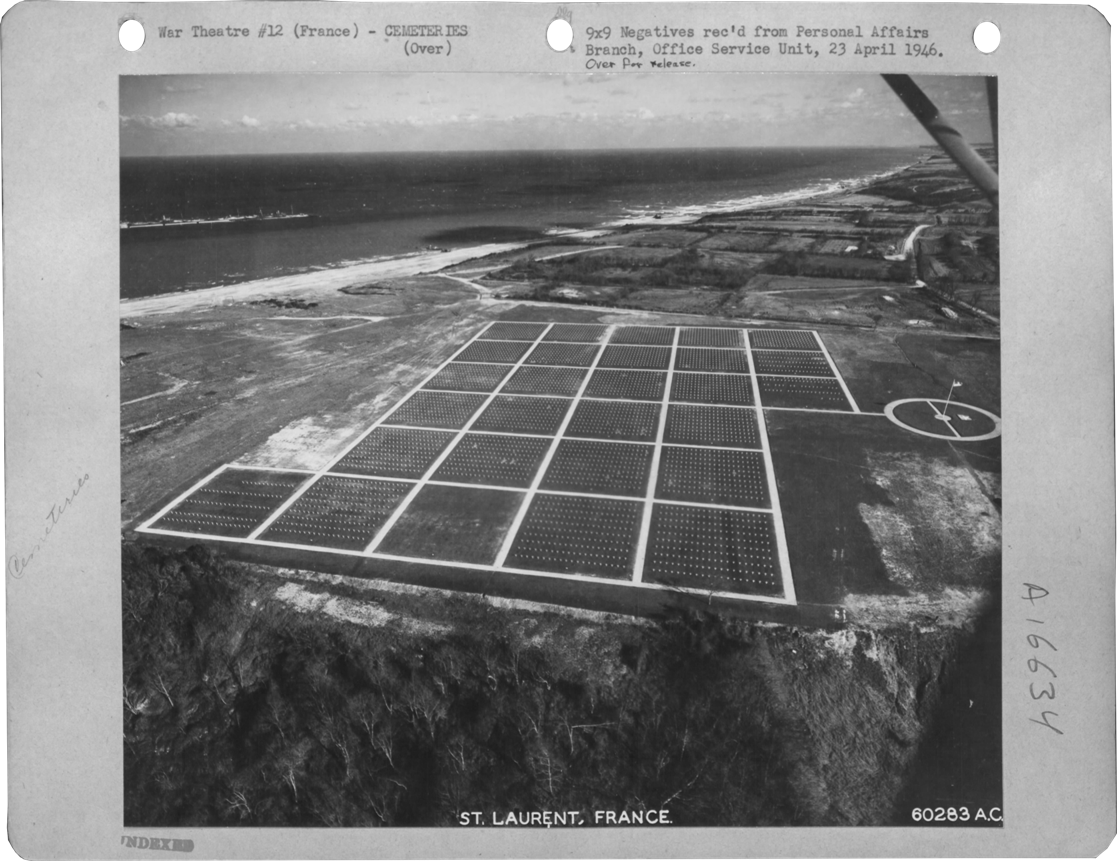
CEMTERY TEMPORARY of St Laurent N°3582
| |||||||||||||||||||||||||||
| CEMETERY | NORMANDY AMERICAN CEMETERY of Colleville | |||||||||||||||||||||||||||
| GRAVE |
| |||||||||||||||||||||||||||
| DECORATION |
| |||||||||||||||||||||||||||
| ||||||||||||||||||||||||||||
| STORY | ||||||||||||||||||||||||||||
|
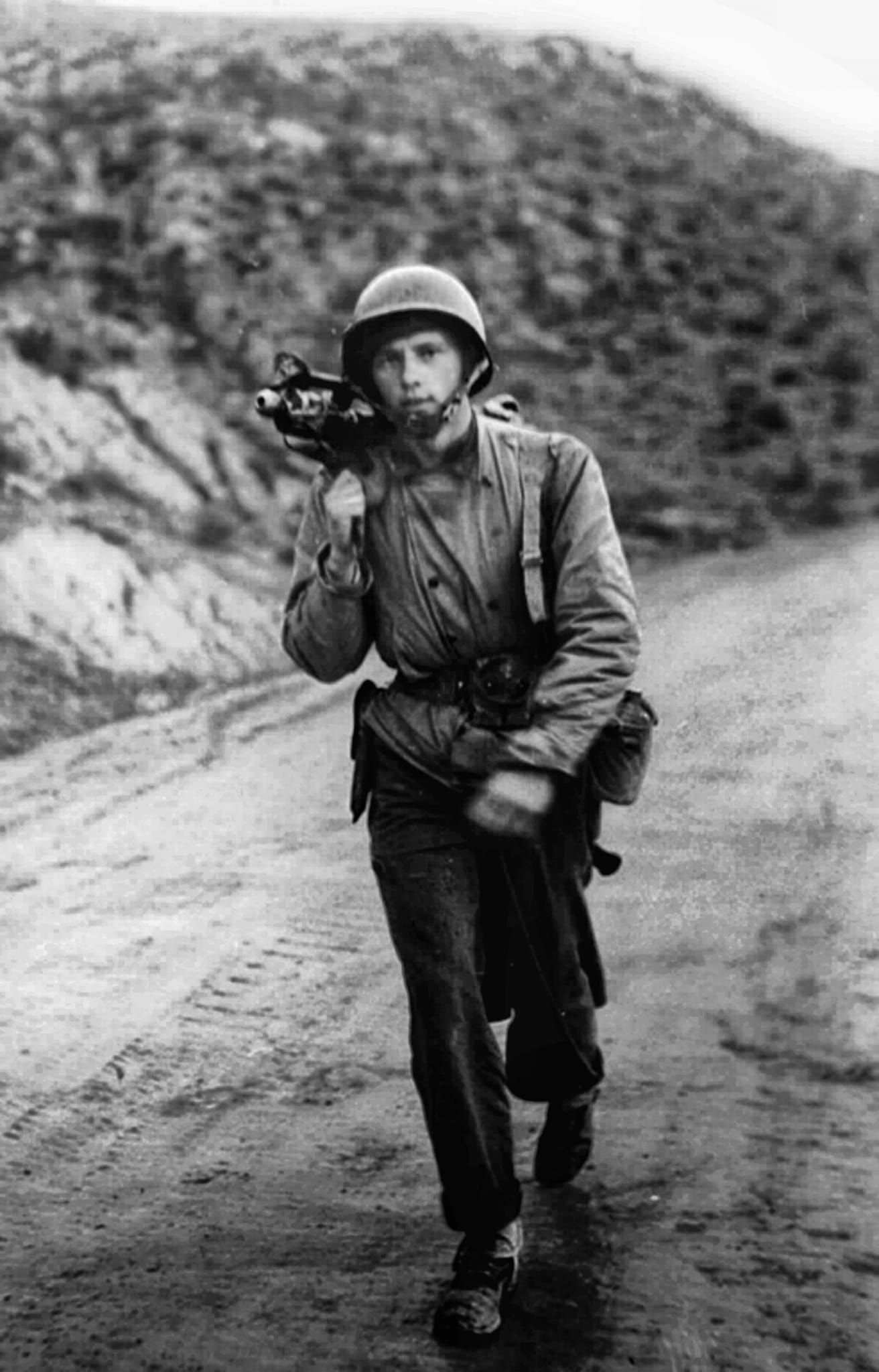
Source : Hudson Louie |
Source : Andy | |||||||||||||||||||||||||||




Activated/Activé |
Normandy/Normandie |
| 17 Jun 1917 | Days of Combat/Jour de Combat 443 |
| Casualties/Victimes 20 659 | |
Entered Combat/Entré au combat |
|
| 8 Nov 1942 North Africa | |
|
Commanding Generals/Commandants généraux Maj. Gen. Donald Cubbison (Feb 41 - Aug 42) |
Campaigns/CampagnesAlgeria-French Morocco (8 Nov 42 - 11 Nov 42)
|
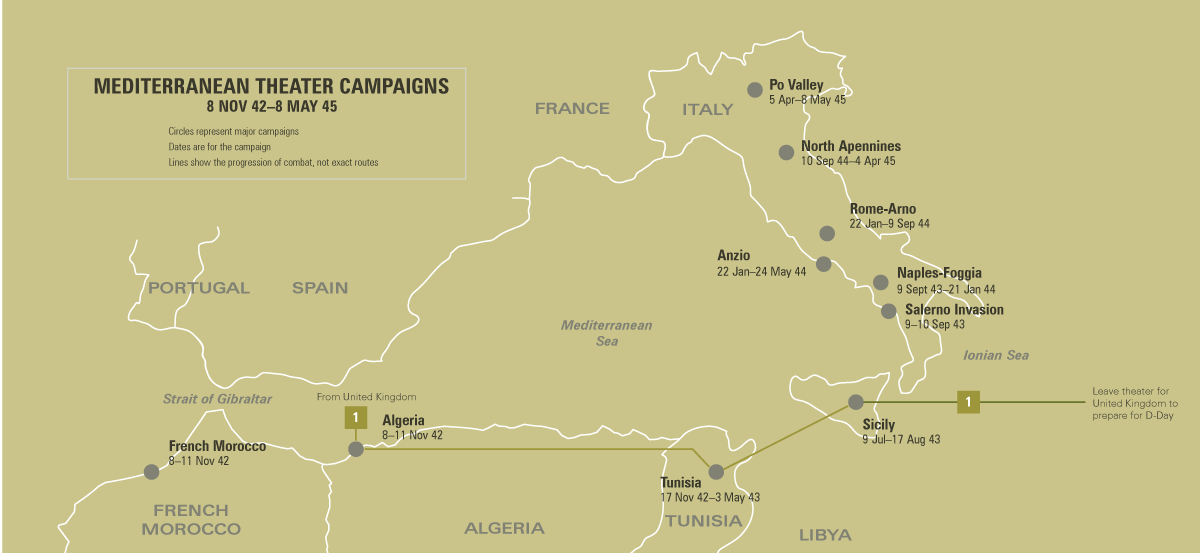
PLAN DE ROUTE DE LA CAMPAGNE de MEDITERANNEE - CAMPAIGN ROUTE MAP |
|
 |
|
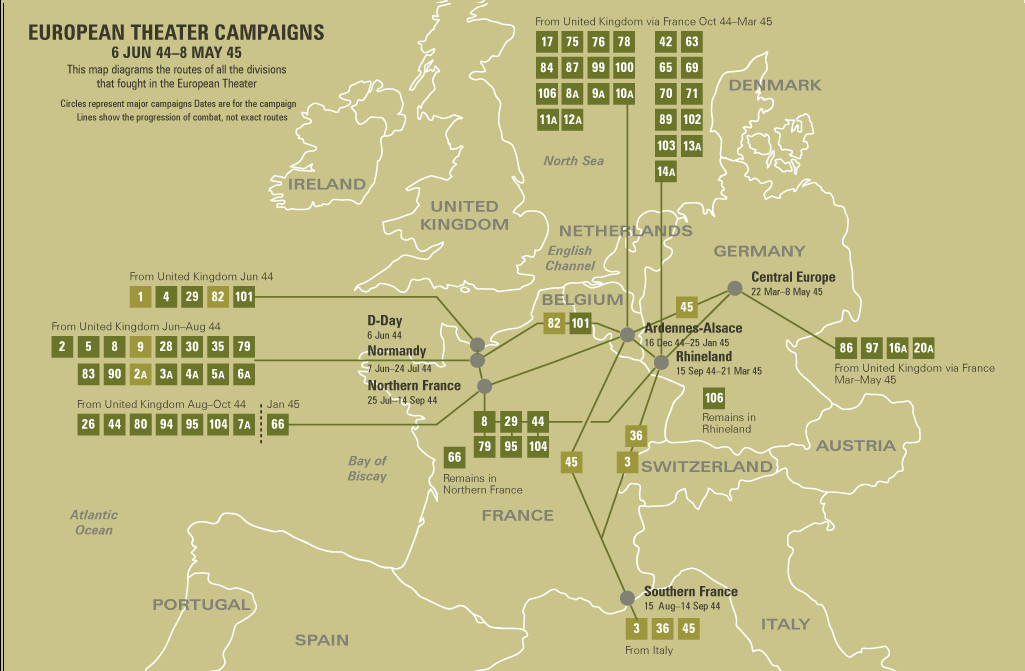
PLAN DE ROUTE DE LA CAMPAGNE - CAMPAIGN ROUTE MAP |
|
 |
|
DIVISION CHRONICLEThe 1st Infantry Division saw its first combat in World War II in North Africa, landing at Oran and taking part in the initial fighting, 8-10 November 1942. Elements then took part in seesaw combat at Maktar, Medjez el Bab, Kasserine Pass, Gafsa, El Guettar, Beja, and Mateur, 21 January-9 May 1943, helping secure Tunisia. The First was the first ashore in the invasion of Sicily, 10 July 1943 ; it fought a series of short, fierce battles on the island's tortuous terrain. When that campaign was over, the Division returned to England to prepare for the Normandy invasion. The First Division assaulted Omaha Beach on D-day, 6 June 1944, some units suffering 30 percent casualties in the first hour, and secured Formigny and Caumont in the beachhead. The Division followed up the St. Lo break-through with an attack on Marigny, 27 July 1944, and then drove across France in a continuous offensive, reaching the German border at Aachen in September. The Division laid siege to Aachen, taking the city after a direct assault, 21 October 1944. The First then attacked east of Aachen through Hurtgen Forest, driving to the Roer, and moved to a rest area 7 December for its first real rest in 6 months' combat, when the von Rundstedt offensive suddenly broke loose, 16 December. The Division raced to the Ardennes, and fighting continuously from 17 December 1944 to 28 January 1945, helped blunt and turn back the German offensive. Thereupon, the Division attacked and again breached the Siegfried Line, fought across the Roer, 23 February 1945, and drove on to the Rhine, crossing at the Remagen bridgehead, 15-16 March 1945. The Division broke out of the bridgehead, took part in the encirclement of the Ruhr Pocket, captured Paderborn, pushed through the Harz Mountains, and was in Czechoslovakia, at Kinsperk, Sangerberg, and Mnichov, when the war in Europe ended.
|
CHRONIQUE DE DIVISIONLa 1ère Division d'infanterie vit son premier combat en Afrique du Nord lors de la Seconde Guerre mondiale, débarquant à Oran et prenant part aux combats initiaux, du 8 au 10 novembre 1942. Les éléments participèrent ensuite aux combats en balançant à Maktar, Medjez el Bab, Col de Kasserine, Gafsa, El Guettar, Beja et Mateur, du 21 janvier au 9 mai 1943, contribuant à la sécurisation de la Tunisie. Le premier a été le premier à terre dans l'invasion de la Sicile, le 10 juillet 1943; il a combattu une série de batailles courtes et féroces sur le terrain tortueux de l'île. Quand cette campagne fut terminée, la Division revint en Angleterre pour se préparer à l'invasion de la Normandie. La première division a attaqué Omaha Beach le jour J, le 6 juin 1944, certaines unités subissant 30% de pertes au cours de la première heure et sécurisant Formigny et Caumont dans la tête de pont. La Division a suivi la percée de Saint-Lô avec une attaque sur Marigny, le 27 juillet 1944, puis a traversé la France dans une offensive continue, atteignant la frontière allemande à Aix-la-Chapelle en septembre. La Division a assiégé Aix-la-Chapelle après un assaut direct, le 21 octobre 1944. Le Premier a ensuite attaqué à l'est d'Aix-la-Chapelle par Hurtgen Forest, jusqu'à la Roer, et s'est installé dans une aire de repos le 7 décembre pour son premier repos. combat de mois, quand l'offensive de von Rundstedt se déchaîna subitement, le 16 décembre. La division a couru vers les Ardennes, et combat continuellement du 17 décembre 1944 au 28 janvier 1945, a aidé à émousser et à retourner l'offensive allemande. La Division attaqua de nouveau la ligne Siegfried, traversa la Roer, le 23 février 1945, et se dirigea vers le Rhin, traversant la tête de pont de Remagen, du 15 au 16 mars 1945. La division sortit de la tête de pont. dans l'encerclement de la poche de la Ruhr, capturé Paderborn, poussé à travers les montagnes du Harz, et était en Tchécoslovaquie, à Kinsperk, Sangerberg et Mnichov, lorsque la guerre en Europe a pris fin.
|
| SOURCE INFORMATION & PHOTO | Armydivs.squarespace.com |
|---|
|
Brother of John F |
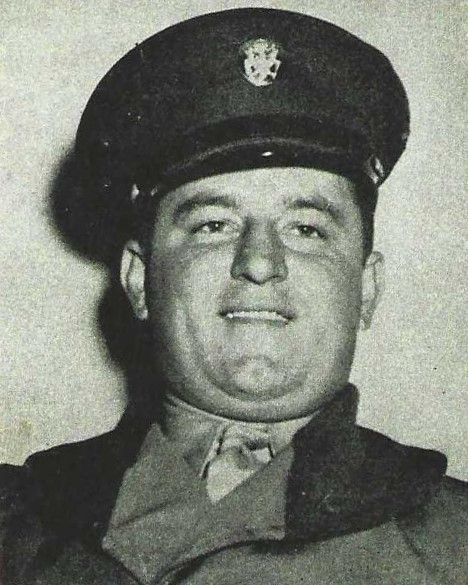
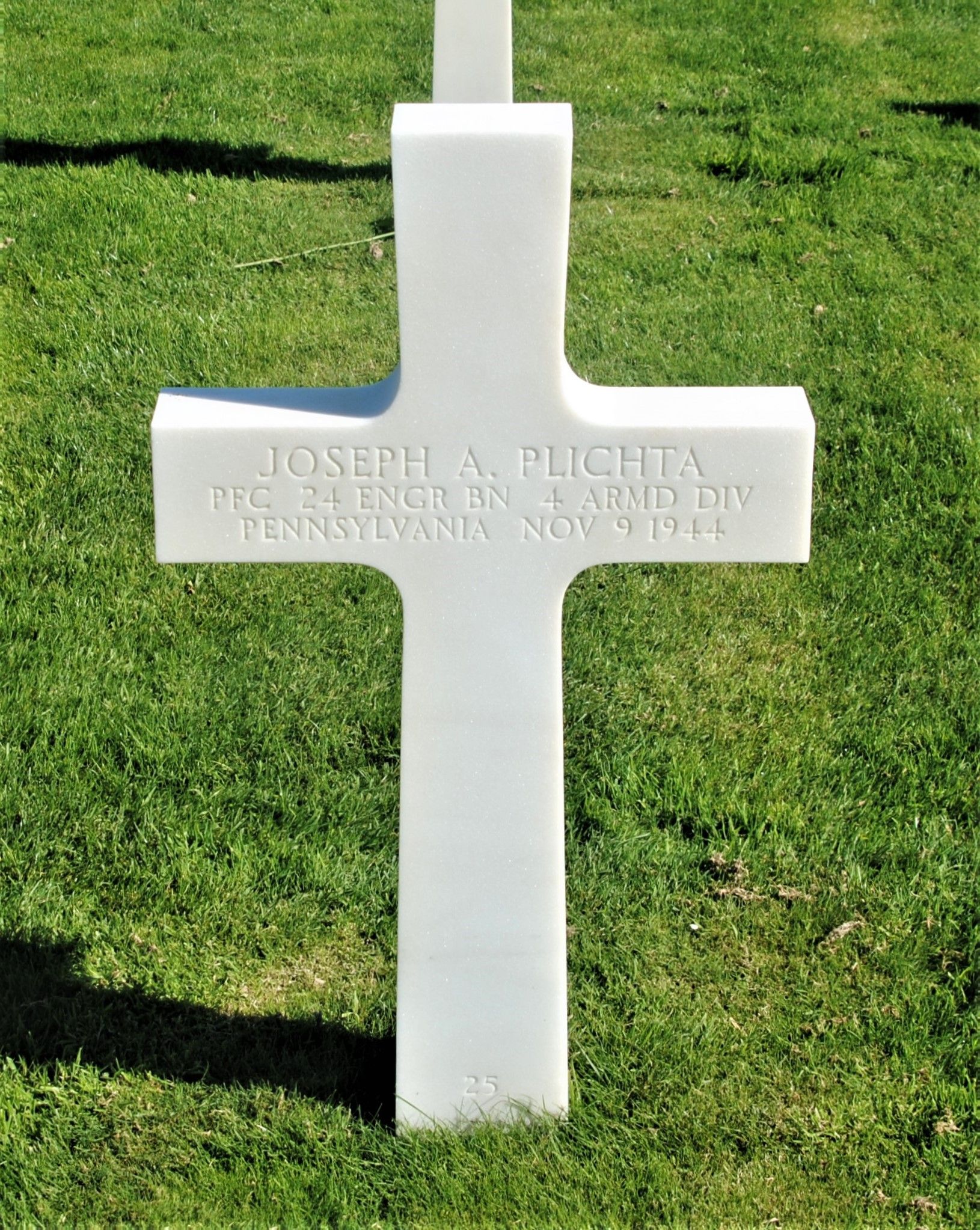
Joseph A PLICHTA
| |||||||||||||||||||||||||
|---|---|---|---|---|---|---|---|---|---|---|---|---|---|---|---|---|---|---|---|---|---|---|---|---|---|---|
| NUMBER OF SERVICE | 33261998 |
Source : Rich Fullam | ||||||||||||||||||||||||
| AGE | 28 yo | |||||||||||||||||||||||||
| DATE OF BIRTH | 9 September 1916 Brownsville, Fayette County, PENNSYLVANIA | |||||||||||||||||||||||||
| ENLISTMENT STATE | PENNSYLVANIA | |||||||||||||||||||||||||
| FAMILY |
Parents : Albert Victor & Mary Turek PLICHTA Siblings : Albert William, Mary Lucy, Margaret A, Max M, John F, Louis Albert & Margaret | |||||||||||||||||||||||||
| RANK | Private First Class | |||||||||||||||||||||||||
| JOB BEFORE ENLISTEMENT | Semiskilled miners, and mining-machine operators |
| ||||||||||||||||||||||||
| DATE of ENLISTEMENT | 14 April 1942 Pittsburgh PENNSYLVANIA | |||||||||||||||||||||||||
| UNIT | 24th Engineer Battalion 4th Armored Division | |||||||||||||||||||||||||
| DATE OF DEATH | 9 November 1944 | |||||||||||||||||||||||||
| STATUS | KIA | |||||||||||||||||||||||||
| PLACE OF DEATH | Nancy | |||||||||||||||||||||||||
| CEMETERY | NORMANDY AMERICAN CEMETERY de Colleville | | ||||||||||||||||||||||||
| ||||||||||||||||||||||||||
| DECORATION |
Purple Heart World War II Victory Medal Combat Infantryman Badge |
| ||||||||||||||||||||||||
| ||||||||||||||||||||||||||
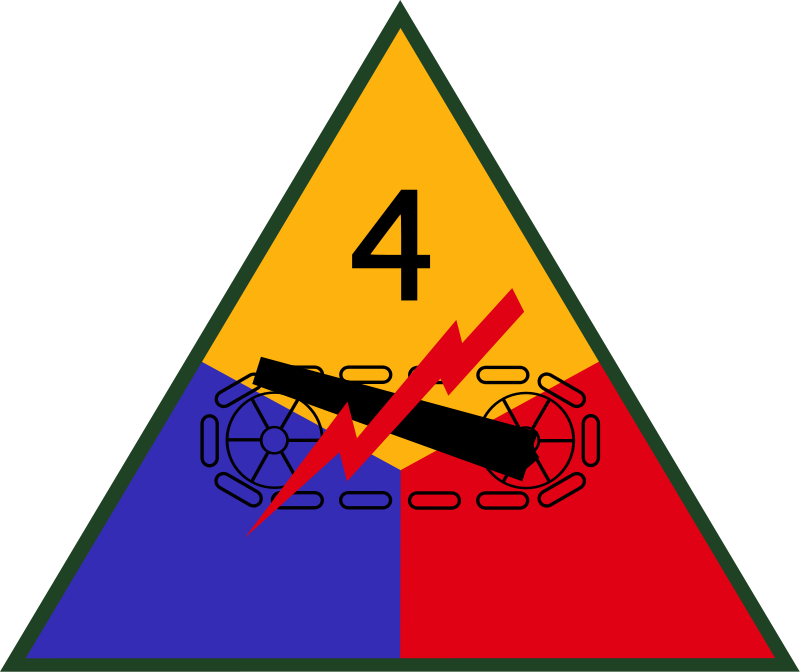
Activated/Activé |
Normandy/Normandie |
| 15 Apr 1941 | Days of Combat/Jour de Combat 230 |
| Casualties/Victimes 6 212 | |
Entered Combat/Entré au combat |
|
| 17 Jul 1944 Normandy | |
|
Commanding Generals/Commandants généraux Maj. Gen. H. W. Baird (Apr 41 - May 42) |
Campaigns/CampagnesNormandy (6 Jun 44 - 24 Jul 44) |
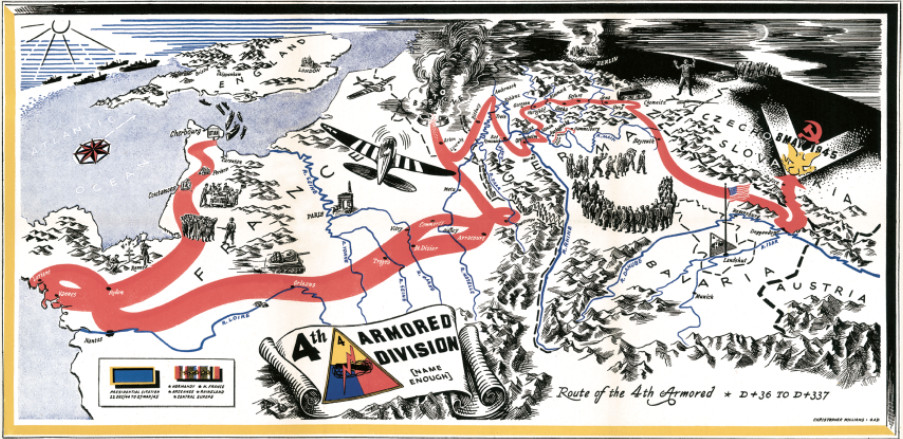
CAMPAIGN MAP OF THE 4TH ARMORED DIVISION |
|
|
This vintage map chart the journey of the 4th Armored Division throughout World War II. The map can be zoomed in and purchased at HistoryShots.com. |
|
DIVISION CHRONICLEAfter training in England from January to July 1944, the 4th Armored Division landed at Utah Beach 11 July 1944 and entered combat 17 July, driving to and securing the Coutances area, 28 July, The Division then swung south to take Nantes, cutting off the Brittany Peninsula, 12 August 1944. Turning east, it drove swiftly across France north of the Loire, smashed across the Moselle 11-13 September, flanked Nancy and captured Luneville, 16 September. After maintaining a defensive line, Chambrey to Xanrey to Henamenil, from 27 September to 11 October, the Division rested briefly before returning to combat 9 November with an attack in the vicinity of Viviers. The 4th cleared Bois de Serres, 12 November, advanced through Dieuze and crossed the Saar, 21-22 November, to establish and expand bridgehead and took Singling and Bining before being relieved 8 December. Two days after the Germans launched their Ardennes offensive, the 4th Armored entered the fight (18 December 1944), racing northwest into Belgium, covering 150 miles in 19 hours. The Division attacked the Germans at Bastogne, helping to relieve the besieged 101st Airborne. Six weeks later the Division jumped off from Luxembourg City in an eastward plunge that carried it across the Moselle River at Treir, , south and east to Worms, and across the Rhine, 24-25 March 1945. Advancing all night, the 4th crossed the Main River the next day, south of Hanau, and continued to push on. Lauterbach fell 29 March, Creuzburg across the Werra on 1 April, Gotha on the 4th, and by 12 April the Division was across the Saale River. Pursuit of the enemy continued and by 6 May the Division had crossed into Czechoslovakia, established a bridgehead across the Otara River at Strakonice, with forward elements at Pisek. After a tour of occupational duty, the 4th returned to the United States for inactivation, some of its elements, however, remaining as occupation forces after redesignation as constabulary units.
|
CHRONIQUE DE DIVISIONAprès une formation en Angleterre de janvier à juillet 1944, la 4ème division blindée débarque à Utah Beach le 11 juillet 1944 et entre en combat le 17 juillet. Elle se rend au secteur de Coutances et le sécurise le 28 juillet. Elle se dirige ensuite vers le sud pour prendre Nantes, coupant la Péninsule bretonne, 12 août 1944. En se dirigeant vers l'est, il traverse rapidement la France au nord de la Loire, traverse la Moselle les 11 et 13 septembre, encadre Nancy et s'empare de Lunéville le 16 septembre. Après avoir maintenu une ligne défensive de Chambrey à destination de Xanrey à Henamenil du 27 septembre au 11 octobre, la Division s’est brièvement arrêtée avant de reprendre le combat le 9 novembre avec une attaque aux environs de Viviers. La 4e a dégagé le Bois de Serres, le 12 novembre, a traversé Dieuze et traversé la Sarre, les 21 et 22 novembre, pour établir et agrandir la tête de pont et a pris Singling et Bining avant d'être relevée le 8 décembre. Deux jours après que les Allemands aient lancé leur offensive dans les Ardennes, le 4ème blindé est entré en combat (le 18 décembre 1944), courant vers le nord-ouest en Belgique, parcourant 150 milles en 19 heures. La Division a attaqué les Allemands à Bastogne, aidant à soulager la 101ème Airborne assiégée. Six semaines plus tard, la division quitta la ville de Luxembourg et plongea vers l'est. Elle traversa la Moselle à Treir, au sud et à l'est jusqu'à Worms, et traversa le Rhin les 24 et 25 mars 1945. La 4e traversa la Main River le lendemain au sud de Hanau et a continué à avancer. Lauterbach est tombée le 29 mars sur Creuzburg, de l'autre côté de la Werra, le 4 avril à Gotha, et le 12 avril, la division traversait la rivière Saale. La poursuite de l'ennemi se poursuivait et, le 6 mai, la Division était entrée en Tchécoslovaquie et avait établi une tête de pont sur la rivière Otara à Strakonice, avec des éléments en avant à Pisek. Après une tournée de travail, le 4e est retourné aux États-Unis pour y être inactivé, mais certains de ses éléments sont toutefois demeurés en tant que forces d'occupation après avoir été redésignés en unités de police. |

| SOURCE INFORMATION & PHOTO | Armydivs.squarespace.com |
|---|
| PROGRAMMER | Henri, Garrett, Clive, Frédéric & Renaud |
|---|