


|
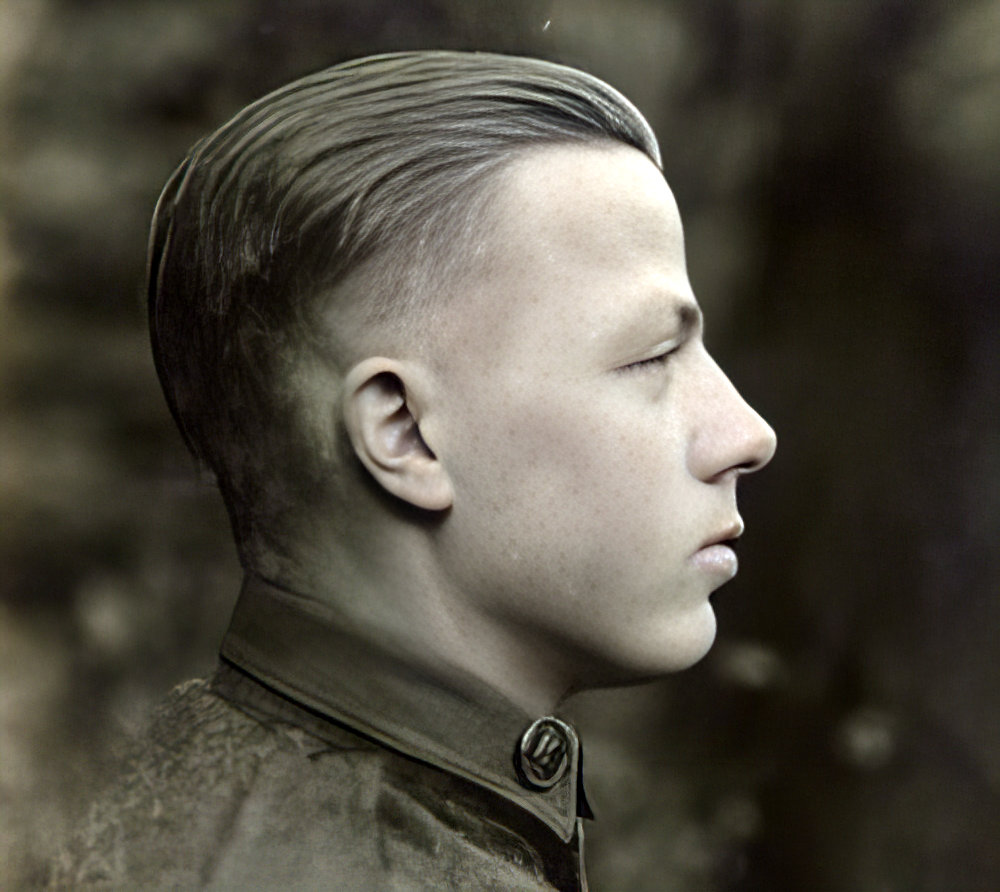
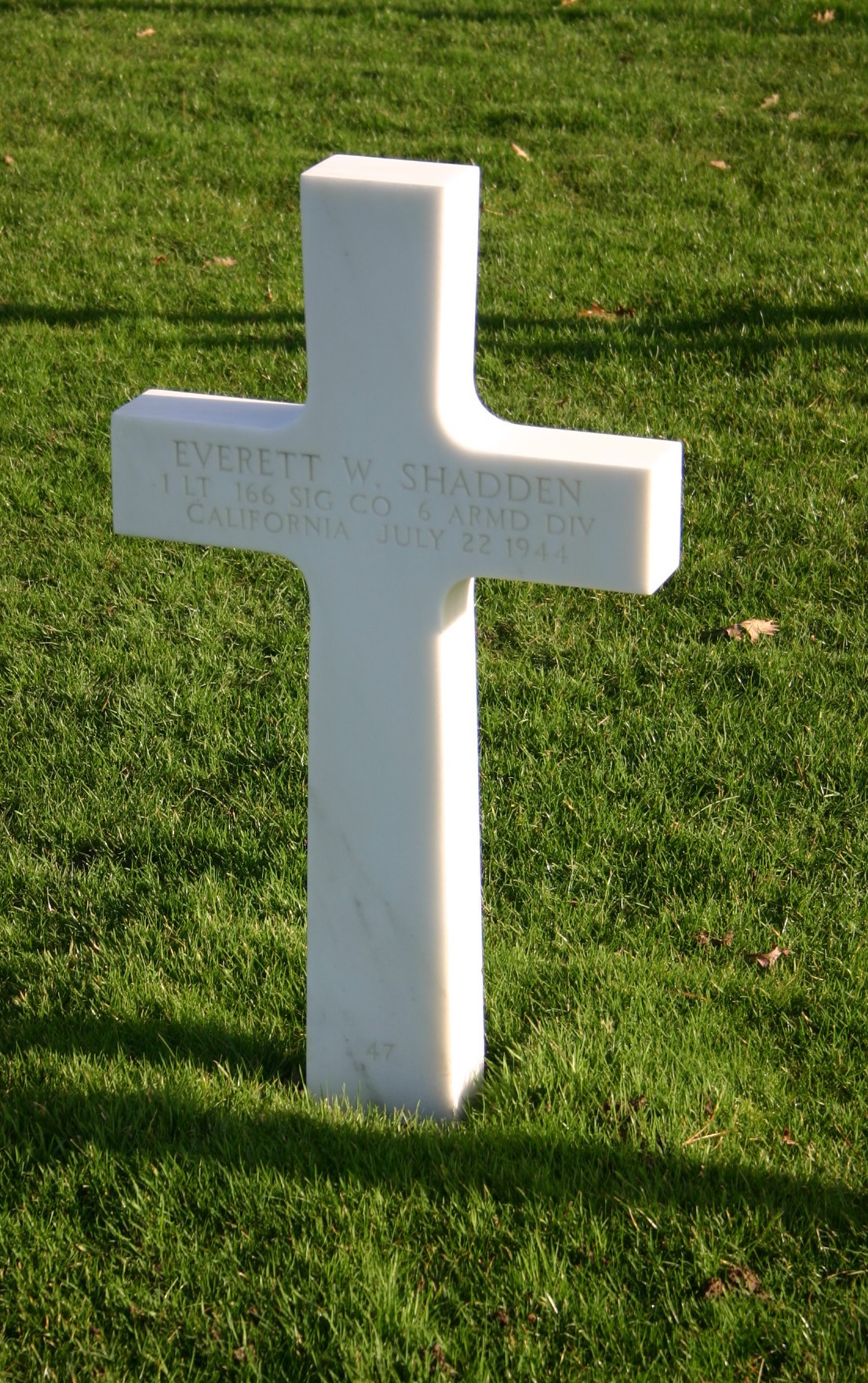
Everett Willard SHADDEN
| ||||||||||||||||||||||||||
|---|---|---|---|---|---|---|---|---|---|---|---|---|---|---|---|---|---|---|---|---|---|---|---|---|---|---|
|
Source : Therry Schwartz & Ellen Marchese | ||||||||||||||||||||||||||
| NUMBER OF SERVICE | O-496183 | |||||||||||||||||||||||||
| AGE | 44 yo | |||||||||||||||||||||||||
| DATE OF BIRTH | 14 November 1899 Council Bluffs, Pottawattamie County, IOWA | |||||||||||||||||||||||||
| ENLISTMENT STATE | CALIFORNIA | |||||||||||||||||||||||||
| FAMILY |
Spouse : Anna Helen Daughter : Marianne Helen Shadden Noe Parents : William Franklin "Frank" SHADDEN & Katherine Mae "Kate" Kemmish TAYLOR Sister : Hazel Mae | |||||||||||||||||||||||||
| RANK |
| |||||||||||||||||||||||||
| FONCTION | ||||||||||||||||||||||||||
| JOB BEFORE ENLISTEMENT |  | |||||||||||||||||||||||||
| DATE of ENLISTEMENT | ||||||||||||||||||||||||||
| COMPANY | 166th Signal Company | |||||||||||||||||||||||||
| BATTALION | Battalion | |||||||||||||||||||||||||
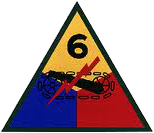
| DIVISION | 6th Armored Division | |||||||||||||||||||||||||
| ARMY | 3rd Army | |||||||||||||||||||||||||
| DATE OF DEATH | 22 July 1944 |
Source : F Lavernhe | ||||||||||||||||||||||||
| STATUS | KIA | |||||||||||||||||||||||||
| PLACE OF DEATH | ||||||||||||||||||||||||||
| CEMETERY TEMPORARY |
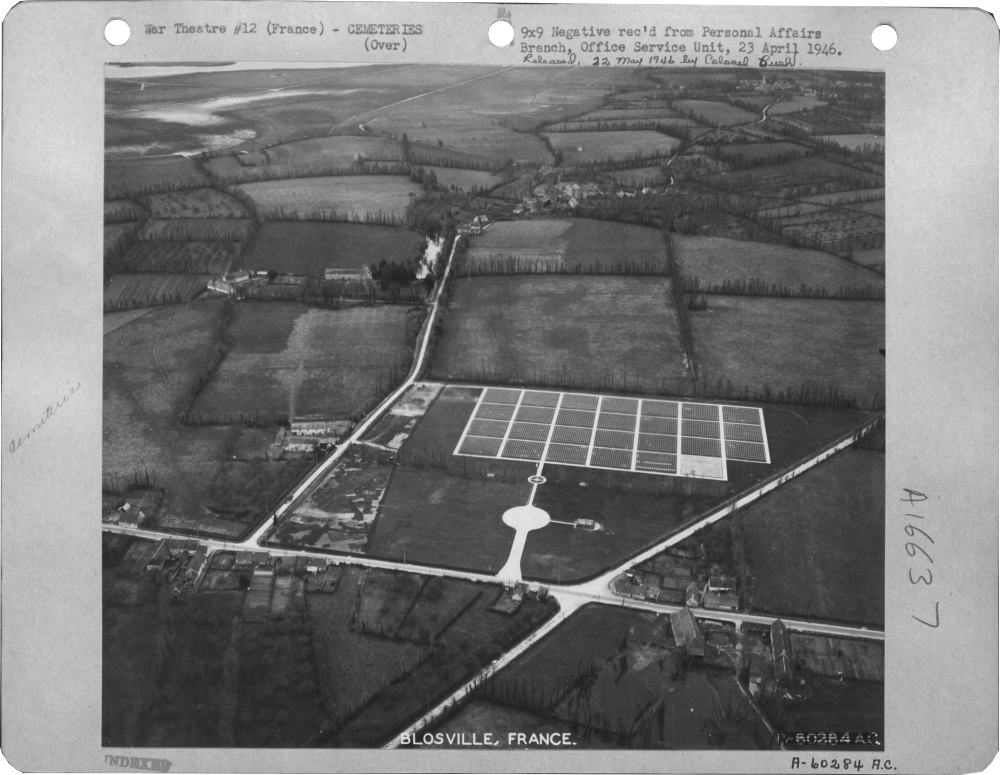
CEMETERY TEMPORARY of Blosville N°3508
| |||||||||||||||||||||||||
| CEMETERY | NORMANDY AMERICAN CEMETERY of Colleville | |||||||||||||||||||||||||
| GRAVE |
| |||||||||||||||||||||||||
| DECORATION |
| |||||||||||||||||||||||||
| ||||||||||||||||||||||||||
| STORY | ||||||||||||||||||||||||||
Silver StarHeadquarters, 3d Army, General Orders No. 41 (February 19, 1945) CITATION: The conspicuous courage Lieutenant Shadden displayed while photographing an engagement of the 90th Infantry Division on 22 July 1944, near Hay, France, distinguishes him as an outstanding officer. Lieutenant Shadden was killed by an exploding enemy mortar round while performing his mission. His determination and supreme devotion to duty were in keeping with the highest traditions of military service and reflect great credit upon himself, his unit, and the United States Army. |  | |||||||||||||||||||||||||
|






Activated/Activé |
Normandy/Normandie |
| 15 Feb 1942 | Days of Combat/Jour de Combat 272 |
| Casualties/Victimes 4,670 | |
Entered Combat/Entré au combat |
|
| 28 Jul 1944 at Normandy | |
|
Commanding General
Maj. Gen. William H. H. Morris, Jr. (Feb 42 - May 43)
Maj. Gen. Robert W. Grow (May 43 - Apr 45) Brig. Gen. George W. Read Jr. (Apr 45 - May 45) Maj. Gen. Robert W. Grow (Jun 45 - Jun 45) Brig. Gen. George W. Read, Jr. (Jul 45 - inactivation) |
Campaigns Normandy (6 Jun 44 - 24 Jul 44) |
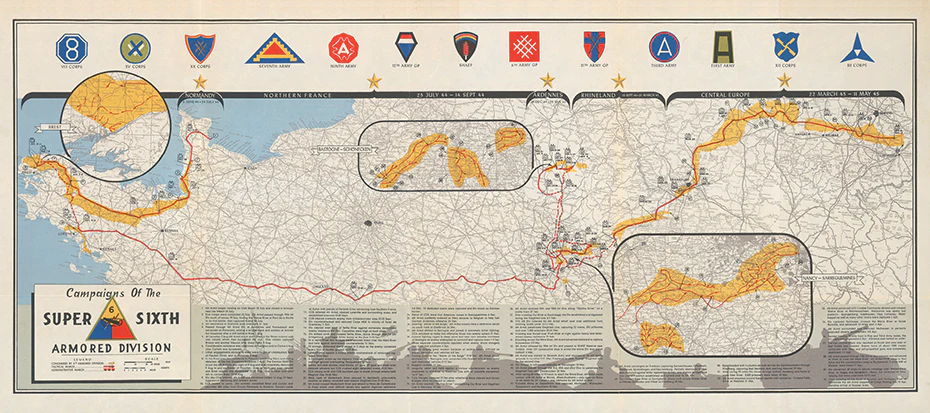
CAMPAIGN MAP OF THE 6TH ARMORED DIVISION
|
|
|
This campaign map shows the route of the 6th Armored Division throughout France, and Germany during World War II. This chart is available for purchase at HistoryShots.com. |
|
DIVISION CHRONICLEAfter continuing its training in England, the 6th Armored Division landed on Utah Beach in Normandy, 18 July 1944, and went on the offensive in the Cotentin Peninsula, driving through Avranches, and moving on to take part in the liberation of Brest and the clearing of the Brittany Peninsula. In mid-August the Division moved down to Lorient. The 6th then turned east and cut across France, reaching the Saar in November. It crossed the Nied River 11-12 November, against strong opposition, reaching the German border on 6 December, and established and maintained defensive positions in the vicinity of Saarbrucken. On 23 December the Division was ordered north of Metz to take part in the Battle of the Bulge, and took over a sector along the south bank of the Sauer River. The 6th was heavily engaged in the battle for Bastogne, finally driving the enemy back across the our River into Germany by late January. After a short period of rehabilitation, the Division resumed the offensive, penetrated the Siegfried Line, crossed the Prum, reached the Rhine River at Worms 21 March, and set up a counterreconnaissance screen along its west bank. The 6th crossed the Rhine at Oppenheim 25 March, drove on to Frankfurt, crossed the Main, captured BadNauheim, and continued to advance eastward, and surrounded and captured Muhlhausen 4-5 April 1945. After repulsing a light counterattack, it moved forward 60 miles to cross the Saale River and assisted in freeing Allied prisoners of war and the notorious German Concentration Camp at Buchenwald. The Division raced on, took Leipzig, crossed the Mulde River at Rochlitz 15 April 1945, and stopped, pending the arrival of the Russian Army. Defensive positions along the Mulde River were held until the end of hostilities in Europe. |
CHRONIQUE DE DIVISION
Le 6e groupe tourne ensuite vers l’est et traverse la France, atteignant la Sarre en novembre. Il traverse la rivière Nied les 11 et 12 novembre, contre une forte opposition, atteignant la frontière allemande le 6 décembre, et établit et maintient des positions défensives dans les environs de Sarrebruck. Le 23 décembre, la division reçoit l’ordre de prendre part à la bataille des Ardennes au nord de Metz et prend le contrôle d’un secteur sur la rive sud de la Sauer. Le 6e bataillon était fortement engagé dans la bataille de Bastogne, repoussant finalement l’ennemi sur notre rivière en Allemagne à la fin du mois de janvier. Après une courte période de réhabilitation, la division reprend l’offensive, pénètre dans la ligne Siegfried, traverse le Prum, atteint le fleuve Rhin à Worms le 21 mars et installe un écran de contre-reconnaissance sur sa rive ouest. Le 6 mars, à Oppenheim, le 25 mars, le 6ème croisement franchit le Rhin, se dirige vers Francfort, traverse le Main, capture BadNauheim et poursuit son avance vers l’est, encerclant et capturant Muhlhausen les 4 et 5 avril 1945. Après avoir repoussé une légère contre-attaque, il avance de 60 milles pour traverser la rivière Saale et aide à libérer les prisonniers de guerre alliés et le tristement célèbre camp de concentration allemand de Buchenwald. La division poursuit sa course, prend Leipzig, traverse la rivière Mulde à Rochlitz le 15 avril 1945 et s’arrête en attendant l’arrivée de l’armée russe. Les positions défensives le long de la rivière Mulde sont maintenues jusqu’à la fin des hostilités en Europe. |

| SOURCE INFORMATION & PHOTO | Armydivs.squarespace.com |
|---|
| SOURCE INFORMATION & SOURCE PHOTO | Arnaud Gaté - Colonne-leclerc.com/les-signal-photographic-company-spc - Abmc.gov - Findagrave.com |
|---|---|
| EDITORS | Victor, Jean-Philippe, Eric, Henri, Garrett, Clive, Frédéric & Renaud |