

|
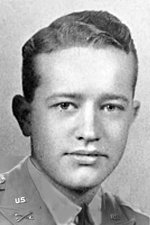
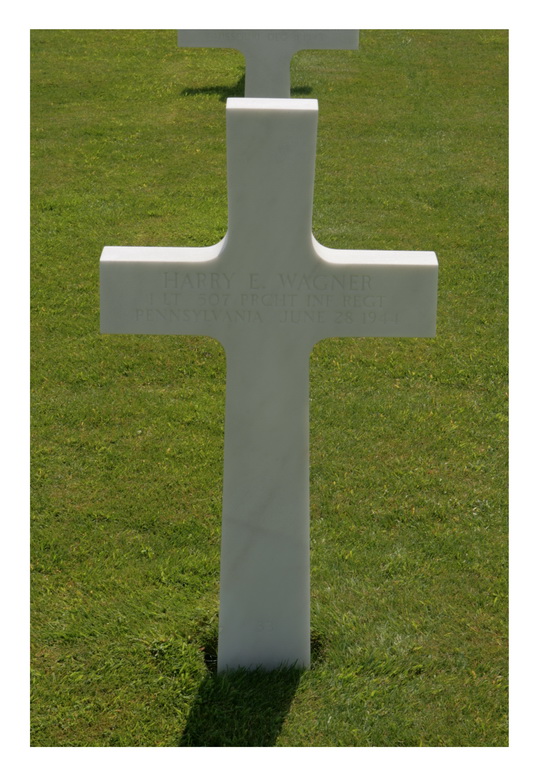
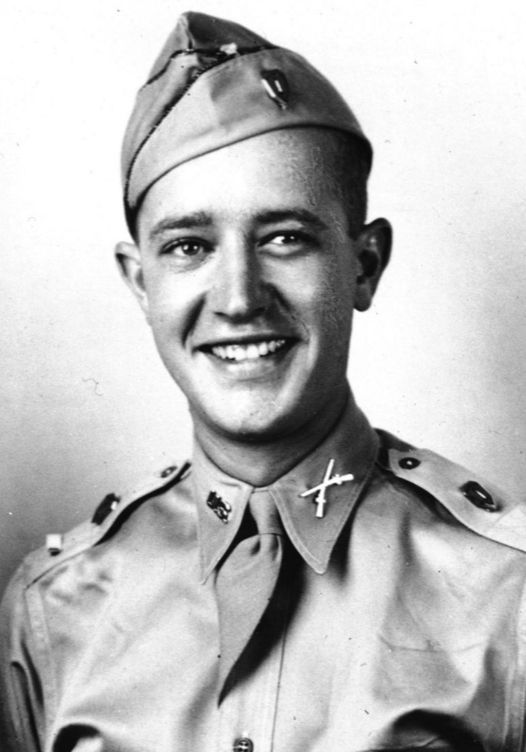
Harry Edward WAGNER
“Wag”
| |||||||
|---|---|---|---|---|---|---|---|
 | |||||||
| NUMBER OF SERVICE | O-453781 | ||||||
| AGE | 24 yo | ||||||
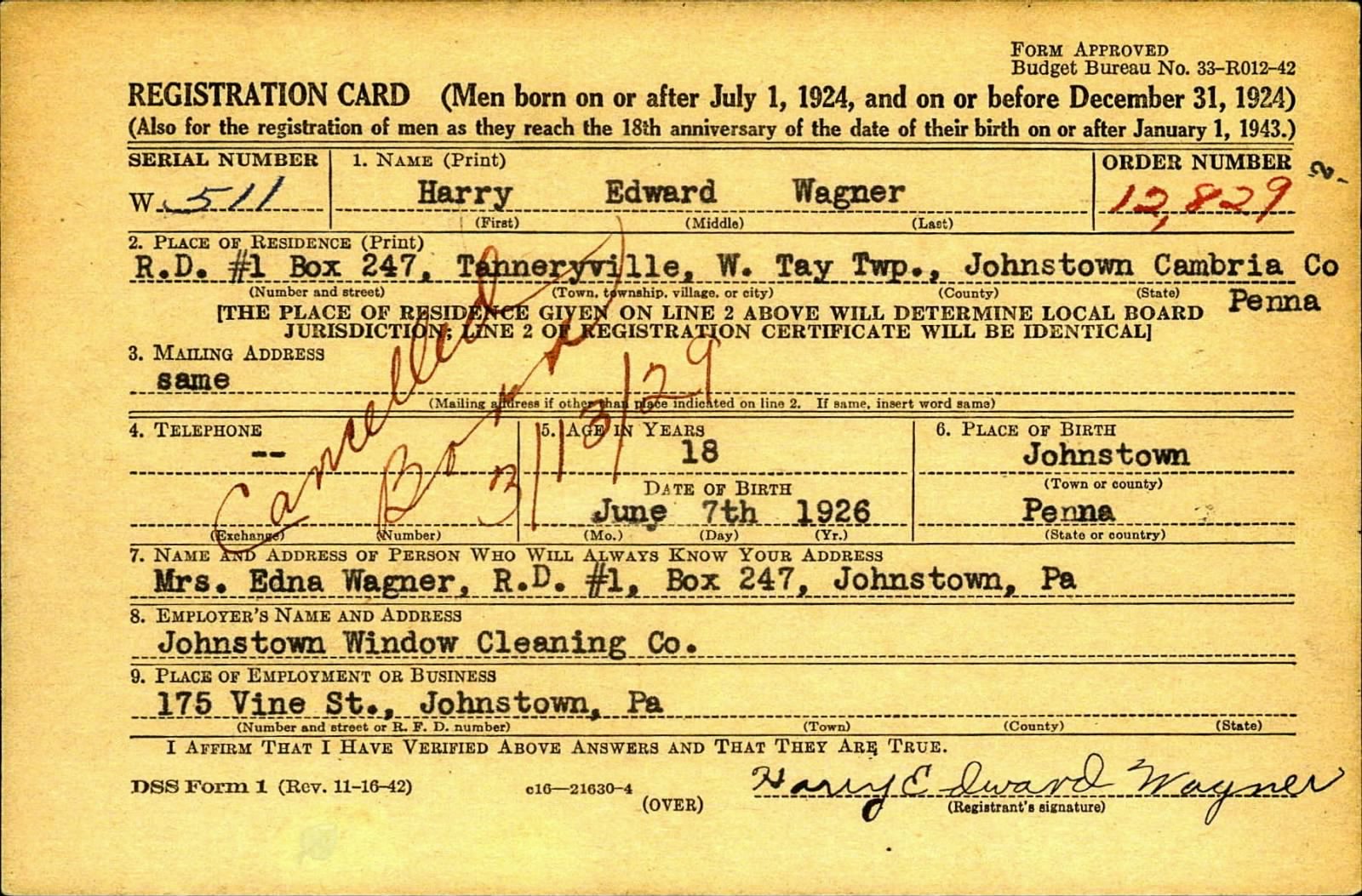
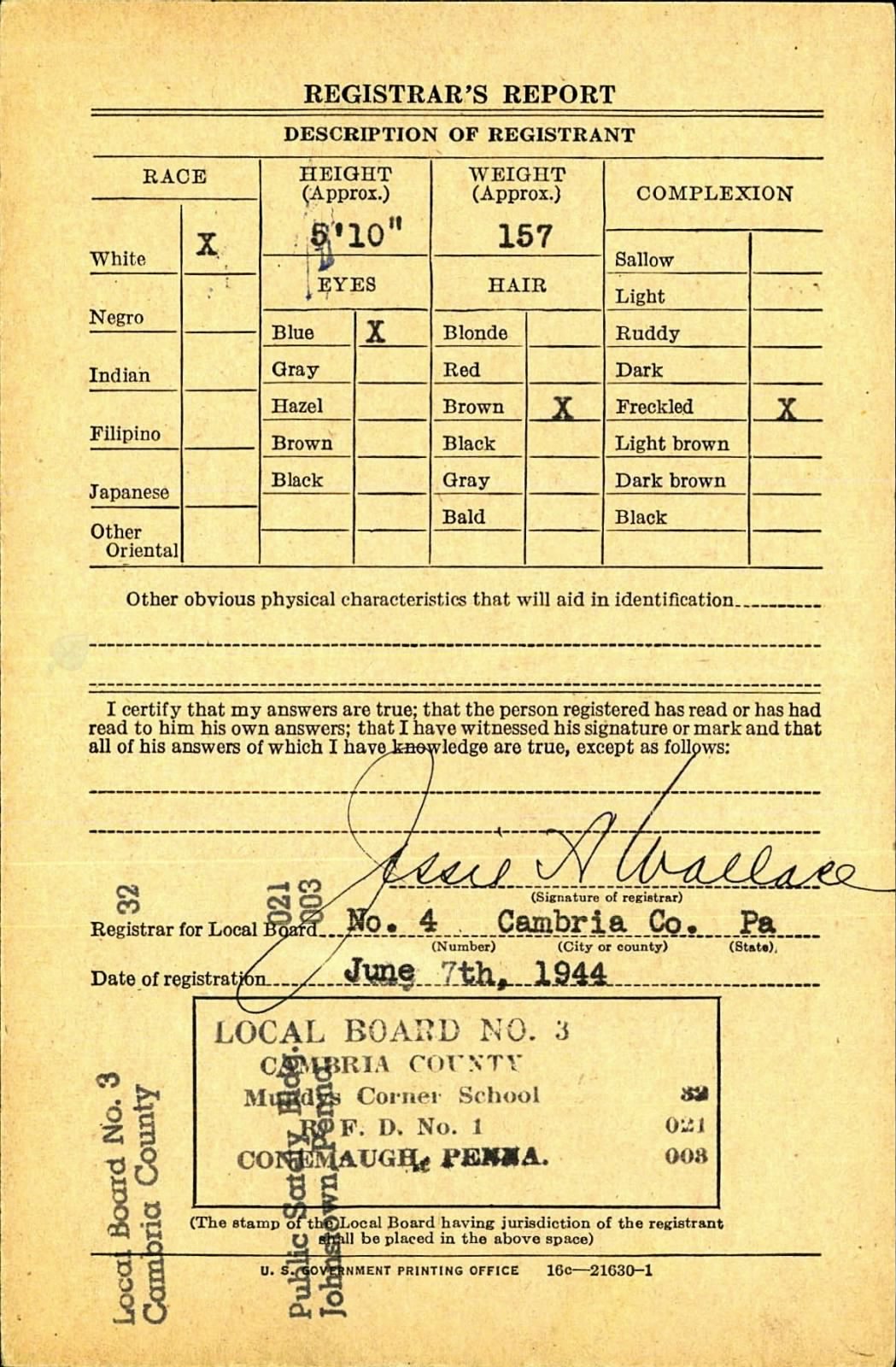
| DATE OF BIRTH | 9 September 1919 Johnstown, PENNSYLVANIA | ||||||
| ETAT | PENNSYLVANIA | ||||||
| FAMILY | Mother : Maude B. WAGNER | ||||||
| RANK |
| ||||||
| FONCTION | Paratroopers | ||||||
| JOB BEFORE ENLISTEMENT |  | ||||||
| DATE of ENLISTEMENT | 1941 | ||||||
| COMPANY | Company Headquarter | ||||||
| BATTALION | 3rd Battalion | ||||||
| REGIMENT |
507th Parachute Infantry Regiment | ||||||
| DIVISION | 82nd Airborne Division | ||||||
| DATE OF DEATH | 28 June 1944 |
Source : Dominique Potier | |||||
| STATUS | DOW | ||||||
| PLACE OF DEATH | Sector of Vindefontaine (Manche) | ||||||
| CEMETERY TEMPORARY | CEMETERY TEMPORARY of | ||||||
| CEMETERY | NORMANDY AMERICAN CEMETERY of Colleville | ||||||
| GRAVE |
| ||||||
| DECORATION |
| ||||||
| |||||||
| STORY | |||||||
|
Source : Felix the Cat |
Source : Felix the Cat | ||||||
|
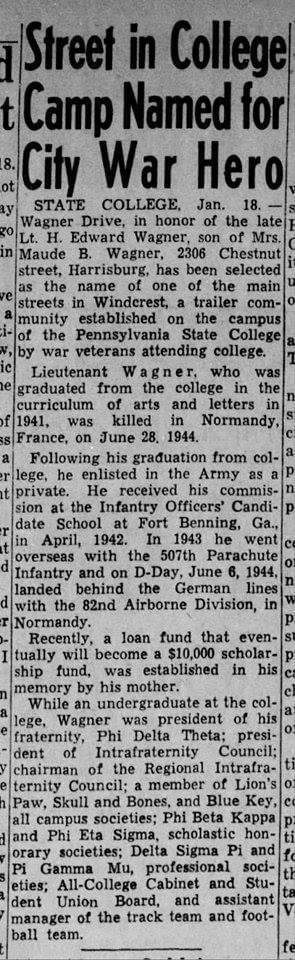
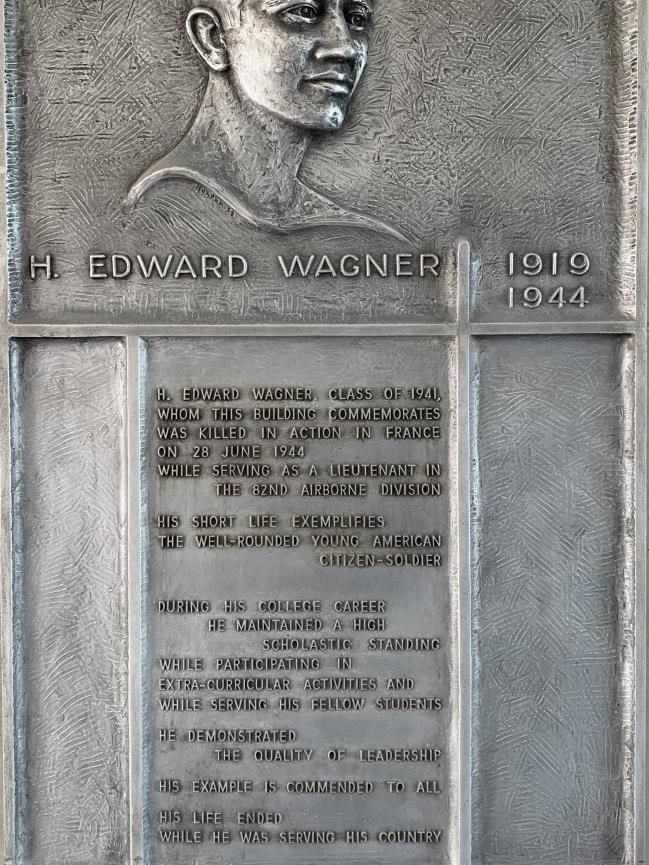
Retired U.S. Army Col. Tom Fosnacht, a 1980 Penn State graduate who is writing a biography on Wagner, recounted the man’s life and service in an editorial to PennLive. He outlined what Wagner saw on D-Day: “The 507th was the last of the six U.S. airborne regiments to make the jump into destiny, and consequently suffered the worst dispersion of any of the U.S. paratroop units, with only two sticks, or 32 paratroopers, from his regiment landing on their designated drop zone. Ed’s group fared the worst, landing some 18 miles away from their DZ between Utah and Omaha Beaches. To make matters worse, they were surrounded by elements of the 17th Waffen SS Panzergrenadier Division, who were rushing north to the landing beaches to blunt the Allied invasion.” Fosnacht wrote that Wagner was part of 120 paratroopers who held out for six days before exfiltrating through swamps and marshes in order to avoid capture. Eventually, Fosnacht writes, Wagner was promoted to a command position in charge of 3rdd Battalion’s Headquarters Company. He was killed in a command post that was under fire from German artillery. Wagner was born in 1919 and attended Penn State from 1937 to 1941. He was president of the Interfraternity Council, served in student government and earned varsity letters in football and track as an assistant student manager, according to Fosnacht. He was begrudgingly drafted in 1941, but Fosnacht said his attitude changed after Pearl Harbor. The event prompted him to volunteer for the paratroopers. In 1960, Penn State and the General State Authority finished work on a brand new ROTC building and named it for the high-achieving soldier. It now houses the Navy/Marine, Air Force and Army ROTC detachments. It also formerly housed the WPSU and the WPSU-TV (formerly WPSX). A memorial to Wagner hangs in the entrance area from Curtin Road, flanked by memorials to other Penn Staters who gave their lives in service to their country “H. Edward Wagner, Class of 1941, whom this building commemorates was killed in action in France on 28 June 1944 while serving as a lieutenant in the 82nd Airborne Division," the memorial reads. "His short life exemplifies the well-rounded young American citizen-soldier. During his college career he maintained a high scholastic standing while participating in extra-curricular activities and while serving his fellow students. He demonstrated the quality of leadership. His example is commended to all. His life ended while he was serving his country.” By Sean Yoder
|
This memorial in the Wagner Building at the University Park campus is dedicated to H. Edward Wagner, a 1941 graduate of Penn State. He was killed in action in France on June 28, 1944. Credit: Sean Yoder / Penn State. Source : Psu.edu | ||||||
|
Source : Fold3 |
Source : Fold3 | ||||||
|
History of Fort Alamo in Normandy
| |||||||
| The 53rd TCS C-47 43-15335 was one of ten C-47s whose jumpers were going to be unfortunate in their drops. |  | ||||||
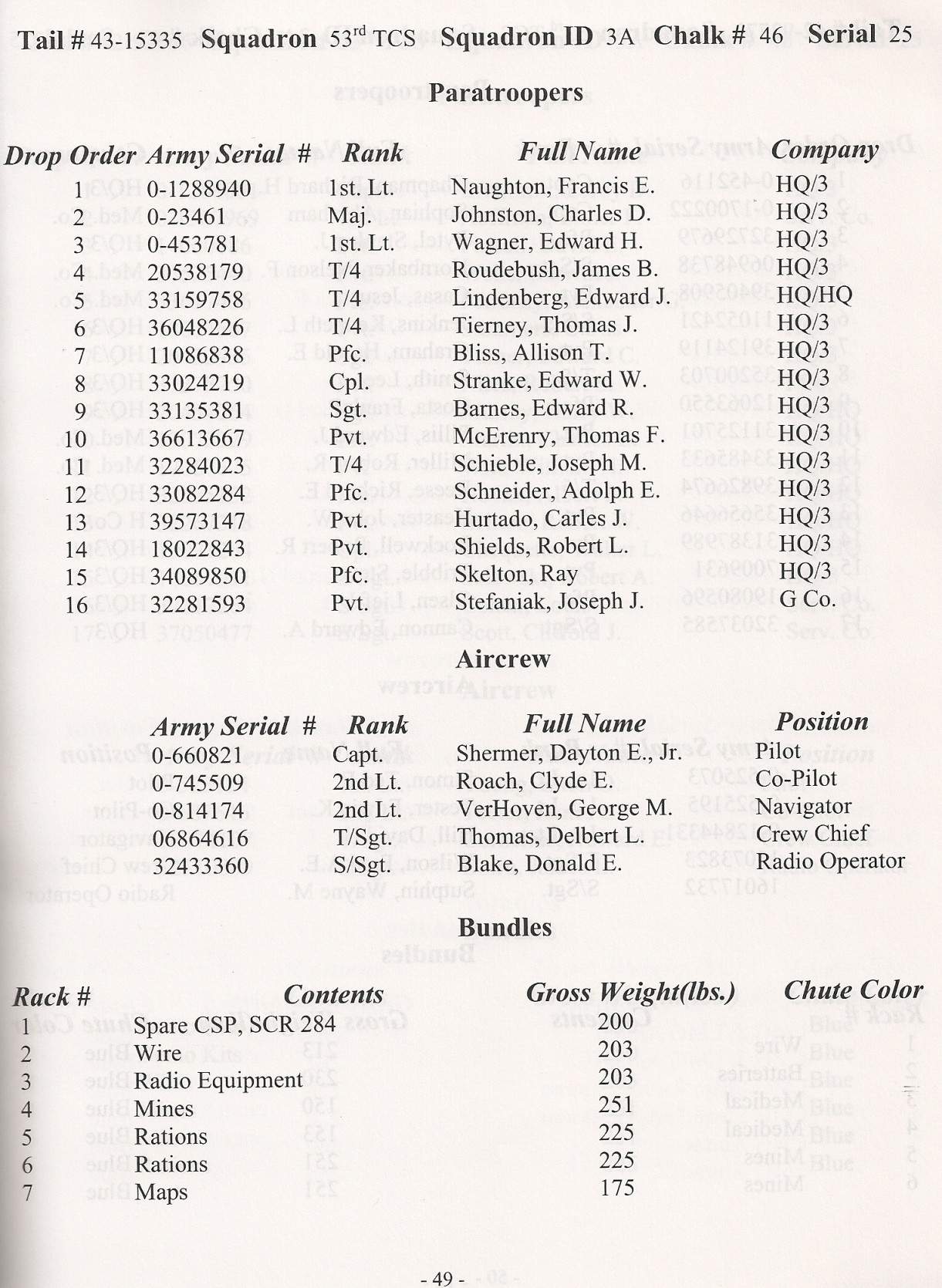 Stick Stick |
Always in formation the jump order was given, the sticks jumped in turn and did not know at that time that they were more than twenty kilometers from their initial jumping zone. This error probably due to the confusion between the Merderet River and the Taute will lead some 160 parachutists of the 507th to a terrible fate. Arrived on the ground the paras did not find their bearings that they had studied in England, they were lost, for others unfortunately fate has decided otherwise, Graignes was surrounded by swamps and many of these men will die drowned.
The survivors of the marshes saw on the horizon in that moonlit night the cross of a church on a hill and which was going to serve them as a point. They walked to this place. The first paratroopers who arrive in the village see where they are and how far away they are from the initial combat zone. But the primary question of these first hours is whether we should join the friendly lines or stay here and bring in the German forces to relieve the forces brought by sea? To this question Major Johnson decided and decided to stay. The paras will start to install security perimeters around the village, in parallel containers are recovered from the marshes with the help of villagers. Some 20 paratroopers from the 101st Airborne Division also joined the village. Thus, this day of June 6 came to an end. The day of 7 June began with a meeting of the inhabitants of the commune around the mayor and who decided to help the parachutists, bring them food, collect weapons and containers in the marshes and even set up a "mess" in the village café. On 8 June the first contact with the enemy took place, that day an observation post was installed in the bell tower. On June 9, attempts are launched by the Germans to know the capabilities of this American force. | ||||||
| After confirmation that an armoured division was certainly nearby, the bridge leading to the village was destroyed by Lieutenant Naughton and a few men. | 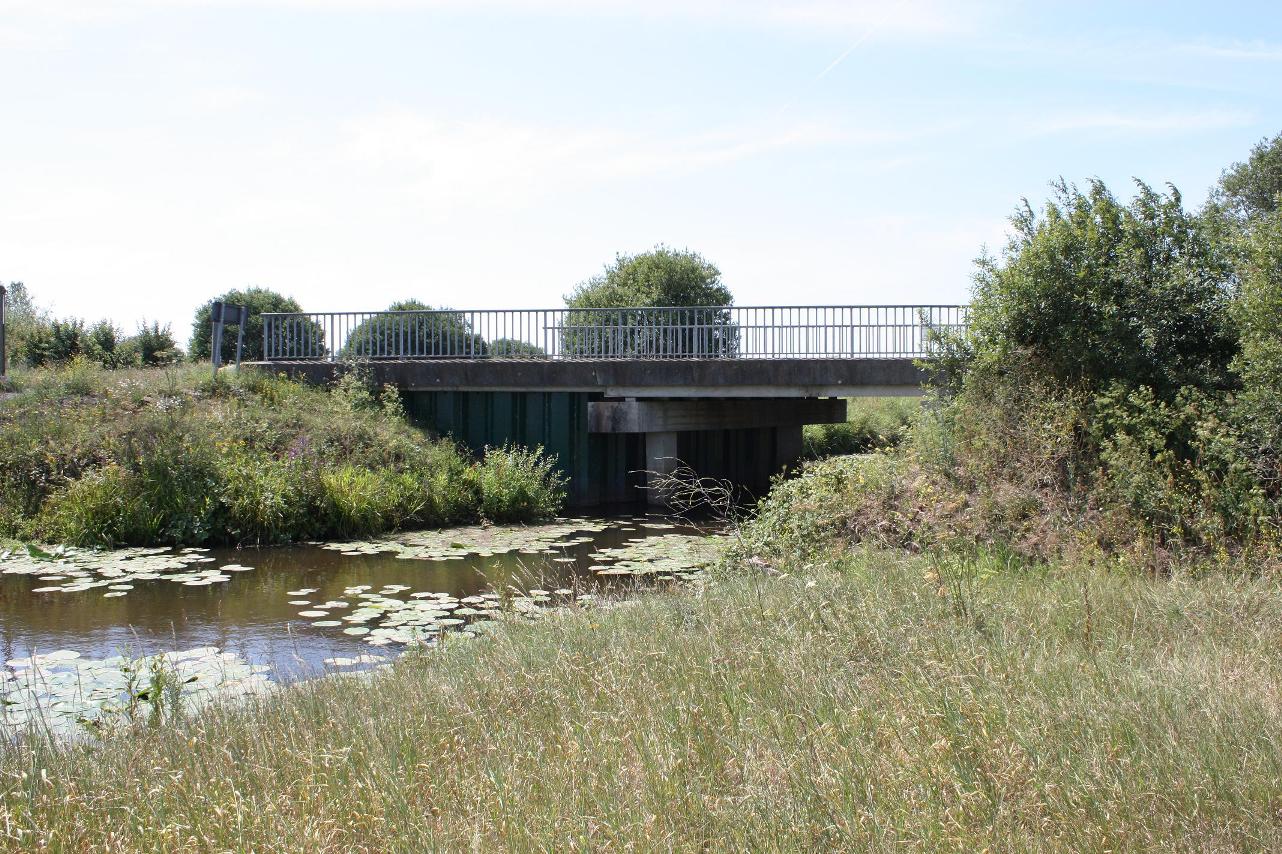 | ||||||
|
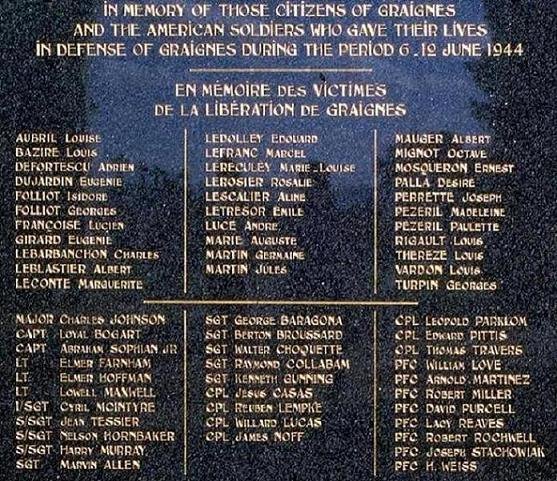
Monument to the memory of the executions of Graignes, 32 US soldiers died along with 31 civilians |
On 10 June, Graignes was cut off from everything; patrols were repelling the enemy who now had the certainty of the presence of an American unit. The Germans tried a first breakthrough from the south but the paras foiled this attack and suffered significant losses, the first wounded were evacuated to the church. German reinforcement movements were also seen in the early afternoon to the south. Despite all the extraordinary courage of resistance, it becomes untenable. The Germans return to the village; the paratroopers evacuate in small groups and regroup in the marshes. Harry is at the end of the day still fighting over his position not far from the PC with a few paras. Captain Brummit, who had been ordered to evacuate, came to Harry’s position and asked him to gather all his men and follow him; they left without incident. On 12 June, the Germans entered the village with caution; the paratroopers from whom Harry arrived at a small farm in Port Saint-Pierre were completely exhausted. On 14 June, the boat evacuation began through the marshes; the paras will join the 101st Airborne Division sector and then their 507th unit. Unfortunately the tragedy of Graignes will not stop here, the Germans will invade the village. The paratroopers leaving the village left the wounded inside the church, white flag on the front door. The SS because it is indeed a unit of SS (17ème Div.SS "Götz von Berlichingen") that the paras resisted during the whole siege presented themselves in this place and wanted to execute the wounded paras but the presence of villagers decided otherwise. They separated the Americans into two groups, one group probably taken to another small nearby village and executed, and another group taken to the courtyard behind the cafe and bayoneted and thrown in a drinking trough. The Germans will execute the two priests of the village in retaliation for the help given by the inhabitants. Graignes devint le "Fort Alamo de la Normandie", cette résistance héroïque mené par ces hommes pût également bloquer une voie de renforts pour les Germans while the battle of Carentan was underway, the absence of this SS division in those early days and concentrated here certainly weighed in the battle of the city. An error of release that finally had important consequences and led by men animated of the para spirit who have allowed a lost situation to turn into heroic act, Harry was one of those. | ||||||







Lt Wagner 1st from the left 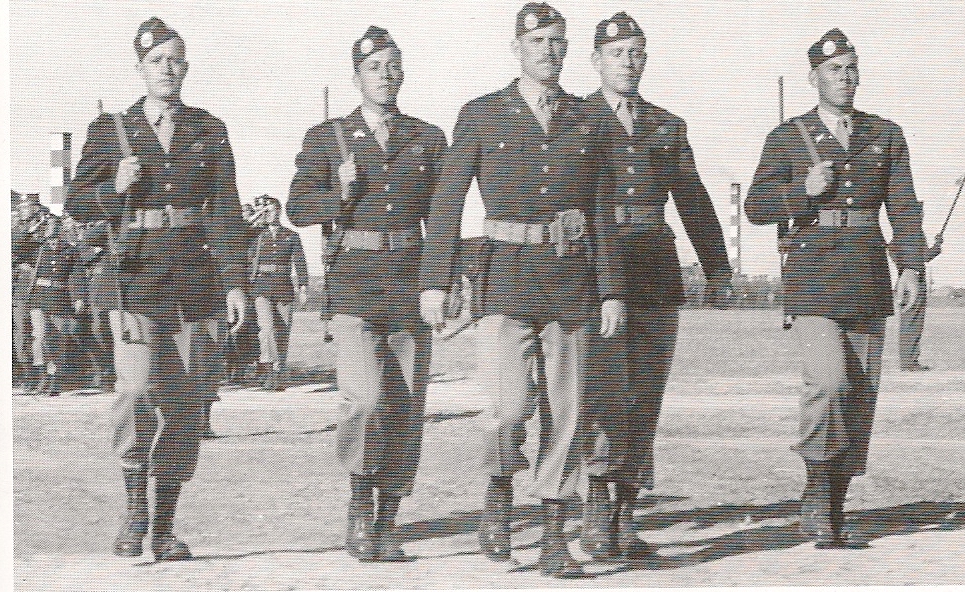 | ||||||||||||||||||||||||||
|---|---|---|---|---|---|---|---|---|---|---|---|---|---|---|---|---|---|---|---|---|---|---|---|---|---|---|
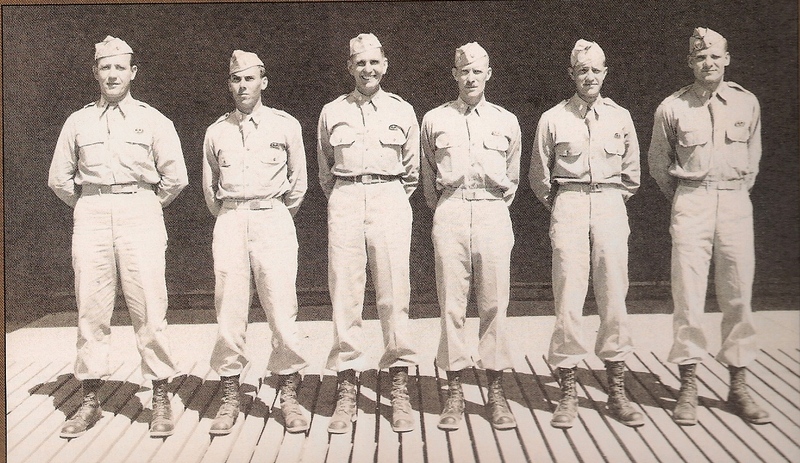 Lt Wagner 2nd from the right Lt Wagner 2nd from the right | ||||||||||||||||||||||||||


Activated/Activé |
Normandy/Normandie |
| 25 Mar 1942 | Days of Combat/Jour de Combat 422 |
| Casualties/Victimes 9 073 | |
Entered Combat/Entré au combat |
|
| 9 Jul 1943 at Sicily | |
|
Commanding Generals/Commandants généraux Maj. Gen. Omar Bradley (Mar 42 - Jun 42) |
Campaigns/CampagnesSicily (9 Jul - 17 Aug 43) Normandy (6 Jun 44 - 24 Jul 44) Rhineland (15 Sep 44 - 21 Mar 45) |
CARTE DE CAMPAGNE DU THÉÂTRE MÉDITERRANÉENCAMPAIGN MAP OF THE MEDITERRANEAN THEATER |
|
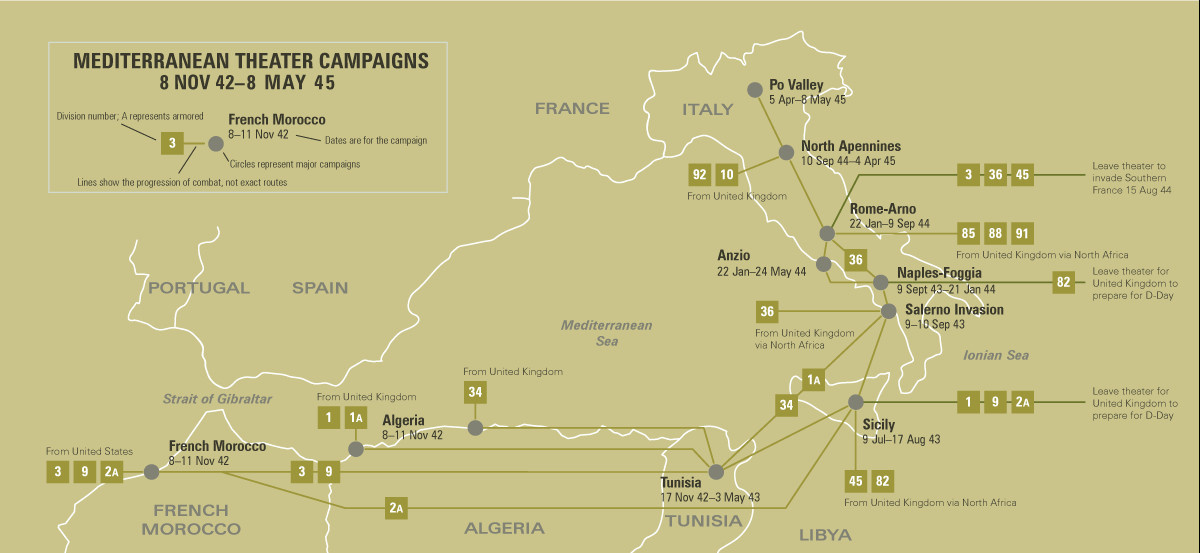 |
|
PLAN DE ROUTE DE LA CAMPAGNE - CAMPAIGN ROUTE MAP |
|
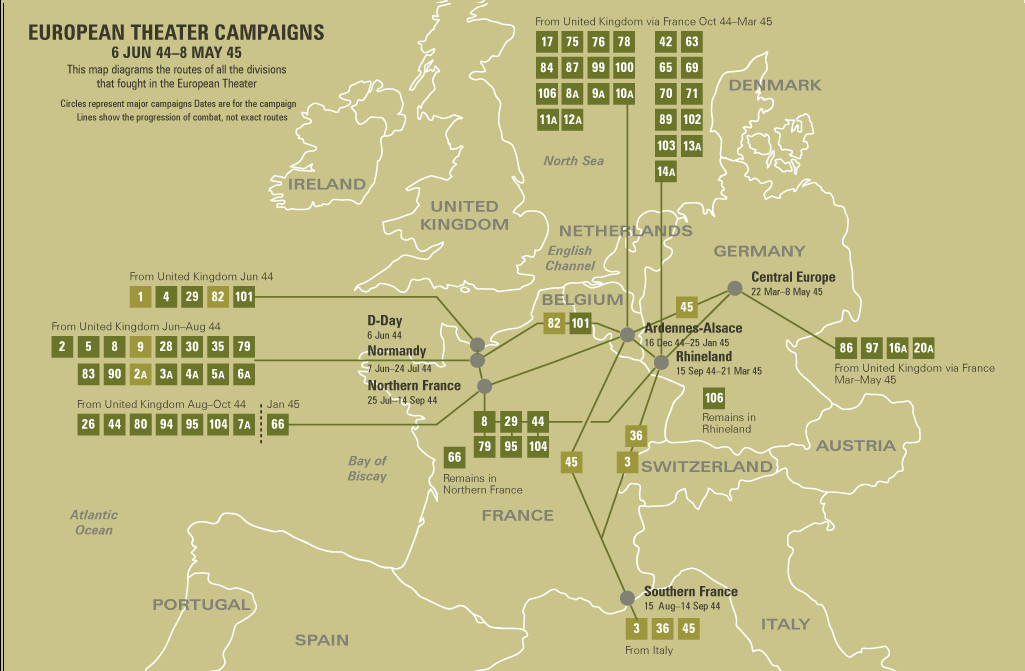 |
|
DIVISION CHRONICLEThe 82d Airborne Division landed at Casablanca, 10 May 1943, and trained. Elements first saw combat in Sicily, when the 505th RCT and part of the 504th dropped behind enemy lines, 9-10 July 1943, at Gela. The remainder of the 504th RCT dropped, 11-12 July 1943, also near Gela, after running friendly naval and ground force fire. Scattered elements formed and fought as ground troops. The elements were flown back to Tunisia for reequipment and returned to Sicily to take off for drop landings on the Salerno beachhead. The 504th Parachute Infantry dropped, 13 September 1943, and the 505th the following night; the 325th landed by boat. These elements bolstered Salerno defenses and fought their way into Naples, 1 October 1943. After a period of occupation duty (and combat for some elements in the Volturno Valley and Anzio beachhead), the Division moved to Ireland, November 1943, and later to England, February 1944, for additional training. Moving in by glider and parachute, troops of the 82d dropped behind enemy lines in Normandy on D-day, 6 June 1944, before ground troops hit the beaches. Cutting off enemy reinforcements, the Division fought its way from Carentan to St. Sauveur-le-Vicomte, fighting 33 days without relief. Relieved on 8 July, it returned to England for refitting. On 17 September, it was dropped at Nijmegen, 50 miles behind enemy lines, and captured the Nijmegen bridge, 20 September, permitting relief of British paratroops by the British 2d Army. After heavy fighting in Holland, the Division was relieved 11 November and rested in France. It was returned to combat, 18 December 1944, to stem the von Rundstedt offensive, blunting the northern salient of the Bulge. It punched through the Siegfried Line in early February 1945, and crossed the Roer, 17 February. Training with new equipment in March, the Division returned to combat, 4 April, patrolling along the Rhine, securing the Koln area, later moving across the Elbe, 30 April, into the Mecklenburg Plain, where, 2 May 1945, the German 21st Army surrendered. |
CHRONIQUE DE DIVISIONLa 82ème division aéroportée a atterri à Casablanca le 10 mai 1943 et s'est entraînée. Les éléments ont d'abord été combattus en Sicile, lorsque le 505ème RCT et une partie du 504ème ont été largués derrière les lignes ennemies, du 9 au 10 juillet 1943, à Gela. Le reste de la 504ème RCT est tombé, du 11 au 12 juillet 1943, également près de Gela, après des tirs amicaux contre des forces navales et terrestres. Des éléments épars se sont formés et se sont battus en tant que troupes au sol. Les éléments ont été rapatriés en Tunisie pour le rééquipement et sont retournés en Sicile pour décoller pour atterrir sur la tête de pont de Salerne. Le 504th Infantry Parachute Infantry est tombé le 13 septembre 1943 et le 505ème le lendemain soir; la 325ème atterrit en bateau. Ces éléments ont renforcé les défenses de Salerno et se sont introduits à Naples, le 1er octobre 1943. Après une période d'occupation (et de combat pour certains éléments dans la vallée de Volturno et la tête de pont d'Anzio), la division s'est installée en Irlande en novembre 1943 , Février 1944, pour une formation supplémentaire. Se déplaçant en planeur et en parachute, les troupes du 82d tombèrent derrière les lignes ennemies en Normandie le 6 juin 1944, avant que les troupes terrestres ne frappent les plages. En coupant les renforts ennemis, la Division se fraya un chemin de Carentan à Saint-Sauveur-le-Vicomte, combattant 33 jours sans soulagement. Soulagé le 8 juillet, il est retourné en Angleterre pour y être réaménagé. Le 17 septembre, il a été largué à Nimègue, à 50 milles derrière les lignes ennemies, et a capturé le pont de Nimègue, le 20 septembre, permettant ainsi à la 2 e armée britannique de soulager les parachutistes britanniques. Après de violents combats en Hollande, la division est soulagée le 11 novembre et se repose en France. Il fut remis au combat le 18 décembre 1944 pour endiguer l’offensive de von Rundstedt, assourdissant le saillant septentrional des Ardennes. Il a percuté la ligne Siegfried au début de février 1945 et a traversé la Roer le 17 février. S'entraînant avec de nouveaux équipements en mars, la Division est revenue au combat le 4 avril, patrouillant le long du Rhin, sécurisant la région de Koln, traversant ensuite l'Elbe le 30 avril dans la plaine de Mecklenburg où, le 2 mai 1945 s'est rendu. |
| SOURCE INFORMATION & PHOTO | Armydivs.squarespace.com |
|---|
| SOURCE INFORMATION & PHOTO | Findagrave.com - Clive TIRLEMONT - Ww2-airborne.us - Pegasusarchive.org - Bruno CADEVILLE - Cheatersflorida.wordpress.com/tag - Usairborne.be |
|---|---|
| PROGRAMMER | Garrett, Clive, Frédéric & Renaud |