


|
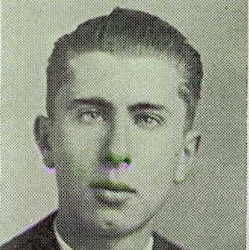
Bernard FOX
| ||||||||||||||||||||||||
|---|---|---|---|---|---|---|---|---|---|---|---|---|---|---|---|---|---|---|---|---|---|---|---|---|
|
Source : Andy
| ||||||||||||||||||||||||
| NUMBER OF SERVICE | 32811291 | |||||||||||||||||||||||
| AGE | 22 yo | |||||||||||||||||||||||
| DATE OF BIRTH | 12 novembre 1921 POLOGNE | |||||||||||||||||||||||
| ENLISTMENT STATE | NEW YORK | |||||||||||||||||||||||
| FAMILY |
Father : Fisher Fox Brother : Samuel | |||||||||||||||||||||||
| RANK | Technical Sergeant | |||||||||||||||||||||||
| FONCTION | Infantry Man | |||||||||||||||||||||||
| JOB BEFORE ENLISTEMENT | Semiskilled Furriers and occupations in fabrication of fur good |  | ||||||||||||||||||||||
| DATE of ENLISTEMENT | 20 February 1943 New York City NEW YORK | |||||||||||||||||||||||
| REGIMENT | 179th Infantry Regiment | |||||||||||||||||||||||
| DIVISION | 45th Infantry Division | |||||||||||||||||||||||
| DATE OF DEATH | 18 August 1944 |
Source : Andy | ||||||||||||||||||||||
| STATUS | KIA | |||||||||||||||||||||||
| PLACE OF DEATH | Barjols | |||||||||||||||||||||||
| DATA PLAN | ||||||||||||||||||||||||
| CEMETERY TEMPORARY |
CEMTERY TEMPORARY of Draguignan N°3551 | |||||||||||||||||||||||
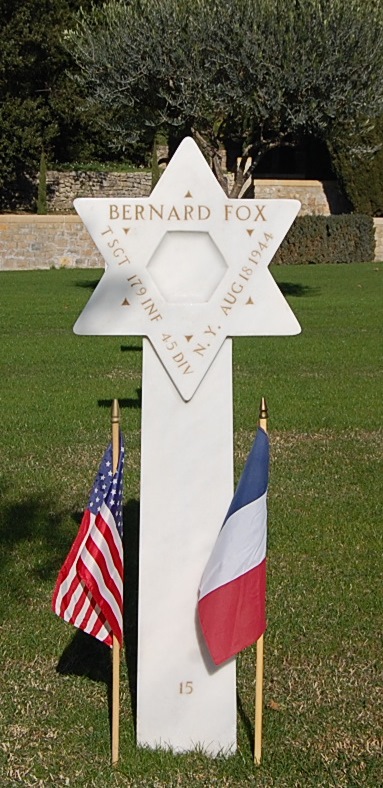
| CEMETERY | RHONE AMERICAN CEMETERY and MEMORIAL of Draguignan | |||||||||||||||||||||||
| GRAVE |
| |||||||||||||||||||||||
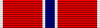
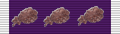
| DECORATION |
| |||||||||||||||||||||||
| ||||||||||||||||||||||||
| STORY | ||||||||||||||||||||||||
|
By : Mentored by Amanda Kordeliski Bernard Fox was born on November 12, 1921, in Poland. Detailed records of Fox’s family from before the war are scarce. Bernard immigrated to the United States as a child with his brother Samuel. Some records indicate his mother and father had also immigrated to the United States but later returned to Poland. Fox attended Abraham Lincoln High School in Brooklyn, New York, and graduated in 1937 at age 16. During high school, he was involved in several activities, including French Club and Junior Arista (Honor Society). He also served as the class secretary. Military Experience The “Fighting 45th” Fox entered the U.S. Army and joined the 45th Infantry Division in February 1943. The 45th Infantry Division, or “Mighty Thunderbirds,” became known after the war for serving for 511 days of combat from the invasion of Sicily to the fall of Munich. Fox fought in the 179th Infantry Regiment and participated in the liberation of Sicily. After success in Sicily, the 45th Infantry Division participated in an amphibious invasion of mainland Italy at Salerno and Naples. In late October 1943, while participating in fierce fighting just outside of Naples, Fox was wounded by shrapnel on two separate occasions. After healing from these wounds, he rejoined his division and participated in his third amphibious landing at Anzio. The Battle of Anzio was bloody, long, and brutal. Fox received a much more severe wound at Anzio when he was shot in the thigh and spent almost a month recuperating in the division hospital. The 45th Infantry Division continued to fight into northern Italy until June 1944, when they were withdrawn to prepare for their fourth and final amphibious invasion, Operation Dragoon, the Allied invasion of southern France. August 1944 In letters between Fox’s brother Sam and the War Department after Fox’s death, Sam explained how he had suggested to his brother that after being wounded three times, “he would, by now, be entitled to a furlough.” Fox replied that “he feels it to be his duty to do his full share in the decisive battles now taking place.” Technical Sergeant Bernard Fox ultimately earned a Purple Heart with three oak leaf clusters and a Bronze Star for his role in the war. Eulogy Fox’s body was buried in a temporary grave shortly after his death. His brother Sam was notified of his death. Following the end of the war, Sam notified the Office of the Quartermaster General that his remaining family, including his father, Fisher Fox, were killed by the Germans during the war in the Polish town of Kalusz. Sam Fox chose to have his brother buried in the Rhone American Cemetery in Draguignan, France. A memorial to alumni of Abraham Lincoln High School who perished in the war was planned in Brooklyn, New York, but was never completed. A museum for the 45th Infantry Division is located in Oklahoma City, Oklahoma, where Technical Sergeant Bernard Fox is remembered along with all those who served in the 45th Infantry Division during the war. | ||||||||||||||||||||||||
| | ||||||||||||||||||||||||




Activated/Activé |
Normandy/Normandie |
| 16 Sep 1940 | Days of Combat/Jour de Combat 511 |
| Casualties/Victimes 20 933 | |
Entered Combat/Entré au combat |
|
| 10 Jul 1943 Sicily | |
|
Commanding Generals/Commandants généraux Maj. Gen. William S. Key (Sep 40 - Oct 42) |
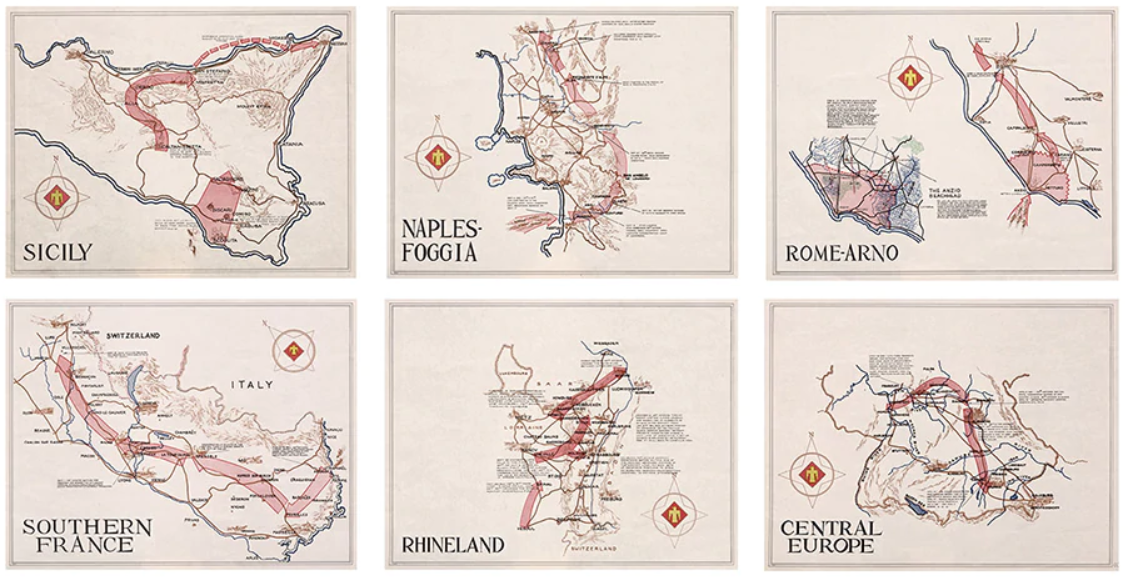
Campaigns/CampagnesSicily (9 Jul - 17 Aug 43) Naples-Foggia (9 Sep 43 - 21 Jan 44) Southern France (15 Aug 44 - 14 Sep 44) Rhineland (15 Sep 44 - 21 Mar 45) |
PLAN DE ROUTE DE LA CAMPAGNE - CAMPAIGN ROUTE MAP |
|
 |
|
DIVISION CHRONICLEThe 45th Division landed in North Africa, 22 June 1943, and trained at Arzew, French Morocco. It landed in Sicily, 10 July, in its first major amphibious operation and moved inland under minor opposition. The enemy resisted fiercely at Motta Hill, 26 July, before losing the fourday battle of "Bloody Ridge." On 1 August, the Division withdrew for rest and patrols. On 10 September 1943, the second landing at Salerno occurred. Against stiff resistance, the 45th pushed to the Calore River, 27 September, crossed the Volturno River, 3 November, and took Venafro. Until 9 January 1944, the Division inched forward into the mountains reaching St. Elia north of Cassino before moving to a rest area. The 45th landed at Anzio, 22 January 1944, and for 4 months stood its ground against violent assaults. It went over to the attack, 23 May, crossed the Tiber River, 4 June, outflanking Rome and withdrew for rest and training on the 16th. The 45th participated in its fourth assault landing, 15 August 1944, at St. Maxime in Southern France. Against slight opposition, it spearheaded the drive for the Belfort Gap. It took the strongly defended city of Epinal, 24 September, crossed the Moselle River and entered the western foothills of the Vosges, taking Rambervillers on the 30th, and crossing the Mortagne River, 23 October. After a brief rest the 45th cracked the forts north of Mutzig, an anchor of the Maginot Line, 25 November, crossed the Zintzel River and pushed through the Maginot defenses. From 2 January 1945, the Division fought defensively along the German border, withdrawing to the Moder River. On 17 February, it went back for rest and training. The 45th moved north to the Sarreguemines area and smashed at the Siegfried Line, 17 March, taking Homburg on the 21st and crossing the Rhine between Worms and Hamm on the 26th. The advance continued, Aschaffenburg falling, 3 April, and Nurnberg on the 20th. The Division crossed the Danube, 27 April, took Munich on the 30th and as war ended was stationed near Dachau.
|
CHRONIQUE DE DIVISIONLa 45e Division débarque en Afrique du Nord, le 22 juin 1943, et s'entraîne à Arzew, au Maroc français. Il a débarqué en Sicile, le 10 juillet, lors de sa première grande opération amphibie et s'est déplacé vers l'intérieur des terres sous une opposition mineure. L'ennemi résista farouchement à Motta Hill, le 26 juillet, avant de perdre la bataille de quatre jours de « Bloody Ridge ». Le 1er août, la Division s'est retirée pour se reposer et patrouiller. Le 10 septembre 1943, le deuxième débarquement à Salerne a eu lieu. Contre une résistance acharnée, le 45e a poussé jusqu'à la rivière Calore, le 27 septembre, a traversé la rivière Volturno, le 3 novembre, et a pris Venafro. Jusqu'au 9 janvier 1944, la Division avança petit à petit dans les montagnes atteignant St. Elia au nord de Cassino avant de se diriger vers une aire de repos. Le 45th débarqua à Anzio, le 22 janvier 1944, et pendant 4 mois résista aux assauts violents. Il passa à l'attaque le 23 mai, traversa le Tibre le 4 juin, contourna Rome et se retira le 16 pour se reposer et s'entraîner. Le 45e participa à son quatrième débarquement d'assaut, le 15 août 1944, à Sainte-Maxime dans le sud de la France. Contre une légère opposition, il a été le fer de lance de la course vers le Belfort Gap. Il prit la ville fortement défendue d'Épinal, le 24 septembre, traversa la Moselle et pénétra dans les contreforts occidentaux des Vosges, prenant Rambervillers le 30 et traversant la rivière Mortagne, le 23 octobre. Après un bref repos, le 45e craque les forts au nord de Mutzig, une ancre de la ligne Maginot, le 25 novembre, traverse la rivière Zintzel et pousse à travers les défenses Maginot. À partir du 2 janvier 1945, la Division combattit défensivement le long de la frontière allemande, se repliant sur la rivière Moder. Le 17 février, il est reparti se reposer et s'entraîner. Le 45e s'est déplacé vers le nord jusqu'à la région de Sarreguemines et s'est écrasé sur la ligne Siegfried le 17 mars, prenant Hombourg le 21 et traversant le Rhin entre Worms et Hamm le 26. L'avance se poursuit, Aschaffenburg tombant le 3 avril et Nuremberg le 20. La division traversa le Danube le 27 avril, prit Munich le 30 et, à la fin de la guerre, stationna près de Dachau. |
| SOURCE INFORMATION & PHOTO | Armydivs.squarespace.com |
|---|
| SOURCE INFORMATION & SOURCE PHOTO | Nhdsilentheroes.org - Abmc.gov - Aad.archives.gov - Findagrave.com |
|---|---|
| PROGRAMMER | Henri, Garrett, Clive, Frédéric & Renaud |