



|
Frank B. VANDENBERG
| ||||||||||||||||||||||||||||
|---|---|---|---|---|---|---|---|---|---|---|---|---|---|---|---|---|---|---|---|---|---|---|---|---|---|---|---|---|
|
| ||||||||||||||||||||||||||||
| NUMERO DE SERVICE | 36102440 | |||||||||||||||||||||||||||
| AGE | 26 ans | |||||||||||||||||||||||||||
| DATE DE NAISSANCE | 28 décembre 1917 Phelps, Comté de Charlevoix, MICHIGAN | |||||||||||||||||||||||||||
| ÉTAT D’ENRÔLEMENT | MICHIGAN | |||||||||||||||||||||||||||
| FAMILLE |
Parents : Cornelius V & Anna Klooster VANDENBERG Frères & Soeurs : Grace, John, Jacob, Effie, Ed and Iola. | |||||||||||||||||||||||||||
| GRADE | Private First Class | |||||||||||||||||||||||||||
| FONCTION | InfantryMan | |||||||||||||||||||||||||||
| PROFESSION AVANT INCORPORATION | Ouvrier "Detroit Lumber Company" |  | ||||||||||||||||||||||||||
| DATE D'INCORPORATION | 18 février 1941 | |||||||||||||||||||||||||||
| COMPANY | Company G | |||||||||||||||||||||||||||
| REGIMENT | 16th Regiment Infantry | |||||||||||||||||||||||||||
| DIVISION | 1st Division Infantry | |||||||||||||||||||||||||||
| DATE DU DECES | 6 juin 1944 |
Source : Abmc.nomadmobileguides.com | ||||||||||||||||||||||||||
| STATUT | KIA | |||||||||||||||||||||||||||
| LIEU DU DECES | Omaha Beach - Easy Red | |||||||||||||||||||||||||||
| CIMETIERE PROVISOIRE |
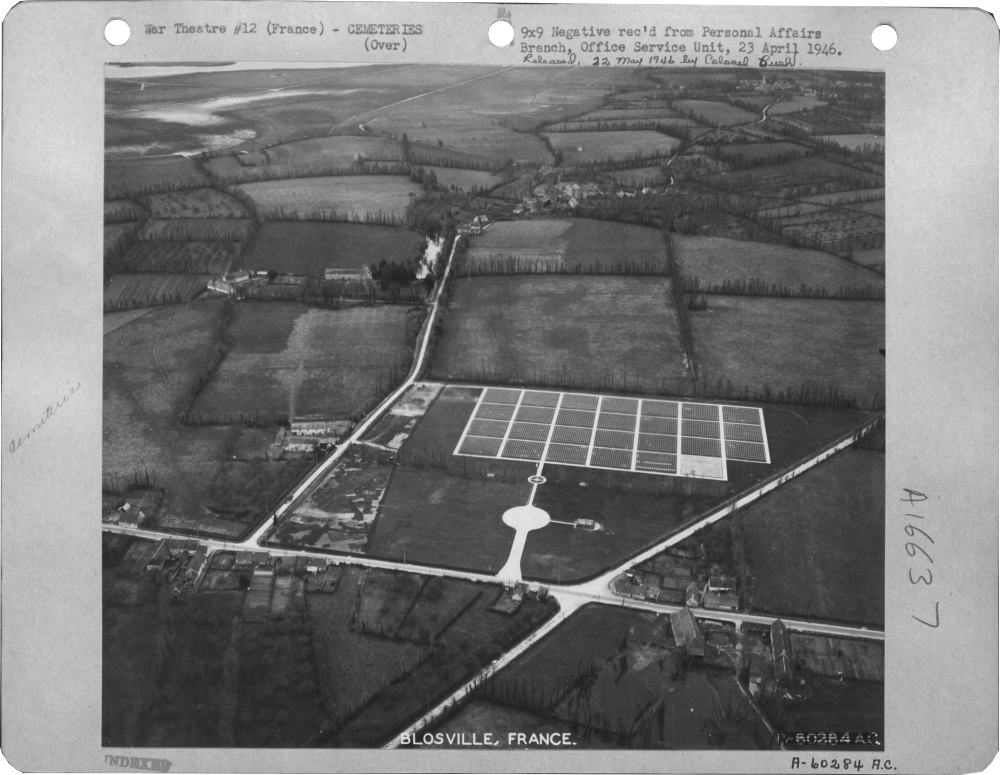
CIMETIERE PROVISOIRE de St Laurent N°3508
Histoire des Cimetières Provisoires
| |||||||||||||||||||||||||||
| CIMETIERE | NORMANDY AMERICAN CEMETERY de Colleville | |||||||||||||||||||||||||||
| TOMBE |
| |||||||||||||||||||||||||||
| DECORATION |
| |||||||||||||||||||||||||||
| ||||||||||||||||||||||||||||
| HISTOIRE | ||||||||||||||||||||||||||||
|
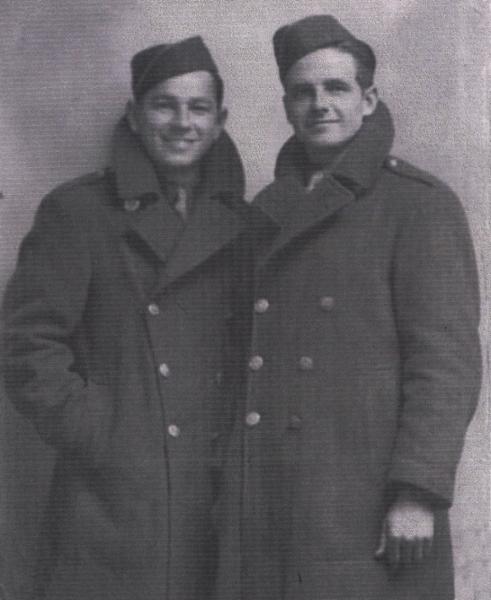
Pvt. Frank B. VANDENBERG est né le 28 décembre 1917 à Phelps, Mich. Il est diplômé de l'East Jordan High School en 1937 et a travaillé avec ses frères et sœurs au ranch familial pendant trois ans. Il a ensuite déménagé à Detroit, au Michigan, où il a commencé à travailler pour la Detroit Lumber Company jusqu'à ce qu'il soit nommé en 1941 à l'âge de 24 ans. Pendant l'entraînement, Vandenberg se préparait à l'invasion de l'Europe, d'abord avec la 30e division d'infanterie, puis avec la 1re division d'infanterie, surnommée la «Big Red One». Le 1er novembre 1942, la 1re Division d'infanterie débarque sur la côte algérienne dans le cadre de l'opération Torch. Suite à la capitulation de la Tunisie, la 1re Division s'est dirigée vers la Sicile dans le cadre de l'opération Husky. La division a finalement capturé Troina en Sicile et a ouvert la route des Alliés au détroit de Messine. Pendant les préparatifs du jour J, Vandenberg et son régiment ont effectué certains des entraînements les plus réalistes jamais réalisés pour l'invasion de la Normandie. Le 6 juin 1944, Vandenberg et le «Big Red One» débarquent sur Omaha Beach. Sa compagnie était prévue pour la vague d'assaut d'infanterie suivant les compagnies E et F à H + 30 minutes. Ils ont atteint la terre face aux tirs nourris de l'ennemi. Alors que la compagnie G se dirigeait vers un terrain plus élevé, Vandenberg a été tué par balles par des tirs allemands. Il avait 26 ans. |
Source : Abmc | |||||||||||||||||||||||||||
| | ||||||||||||||||||||||||||||
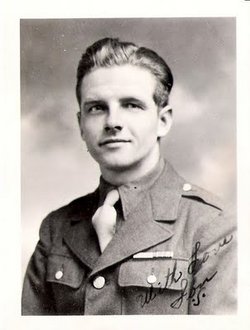 Source : East Point Historical Society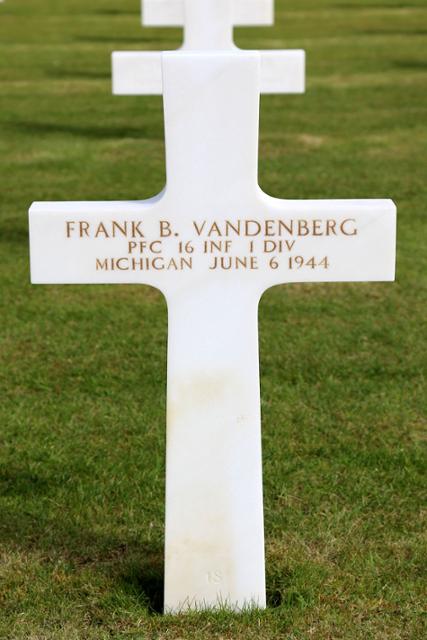




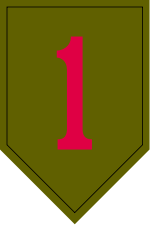
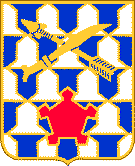

Activated/Activé |
Normandy/Normandie |
| 17 Jun 1917 | Days of Combat/Jour de Combat 443 |
| Casualties/Victimes 20 659 | |
Entered Combat/Entré au combat |
|
| 8 Nov 1942 North Africa | |
|
Commanding Generals/Commandants généraux Maj. Gen. Donald Cubbison (Feb 41 - Aug 42) |
Campaigns/CampagnesAlgeria-French Morocco (8 Nov 42 - 11 Nov 42)
|
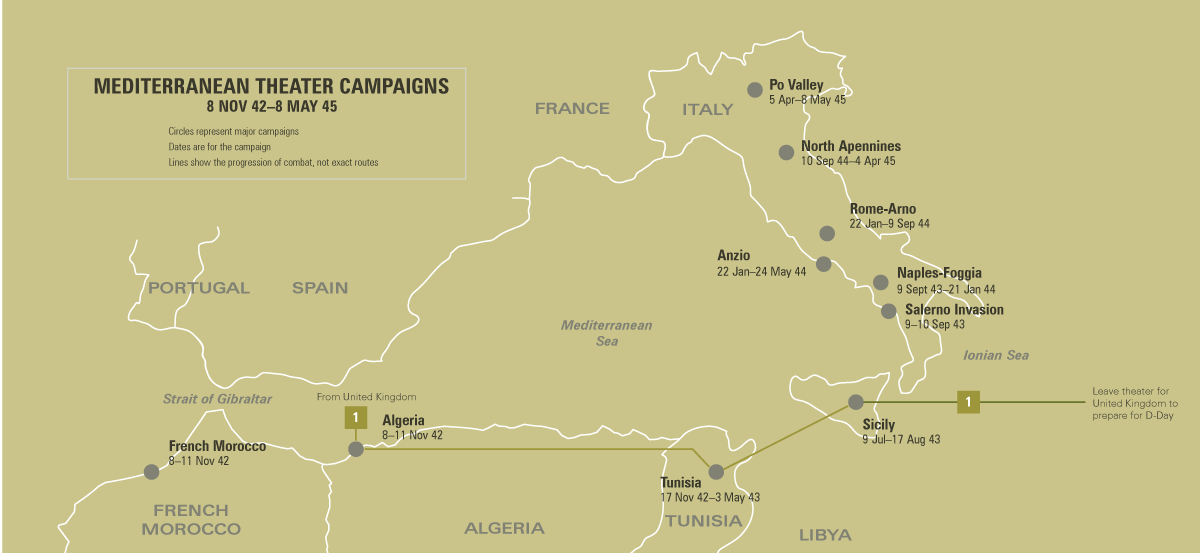
PLAN DE ROUTE DE LA CAMPAGNE de MEDITERANNEE - CAMPAIGN ROUTE MAP |
|
 |
|
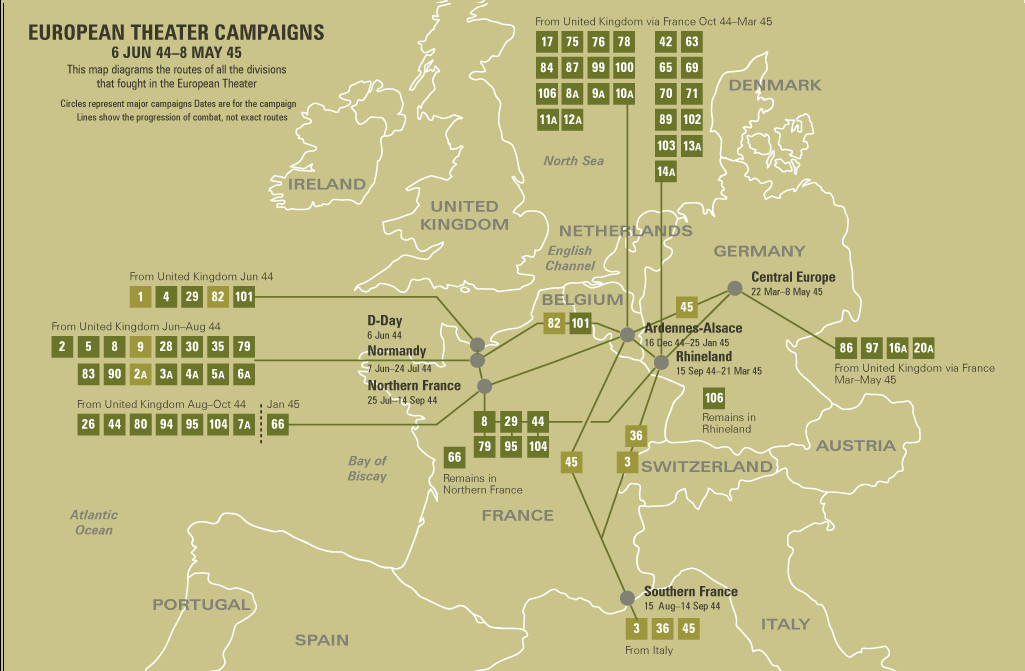
PLAN DE ROUTE DE LA CAMPAGNE - CAMPAIGN ROUTE MAP |
|
 |
|
DIVISION CHRONICLEThe 1st Infantry Division saw its first combat in World War II in North Africa, landing at Oran and taking part in the initial fighting, 8-10 November 1942. Elements then took part in seesaw combat at Maktar, Medjez el Bab, Kasserine Pass, Gafsa, El Guettar, Beja, and Mateur, 21 January-9 May 1943, helping secure Tunisia. The First was the first ashore in the invasion of Sicily, 10 July 1943 ; it fought a series of short, fierce battles on the island's tortuous terrain. When that campaign was over, the Division returned to England to prepare for the Normandy invasion. The First Division assaulted Omaha Beach on D-day, 6 June 1944, some units suffering 30 percent casualties in the first hour, and secured Formigny and Caumont in the beachhead. The Division followed up the St. Lo break-through with an attack on Marigny, 27 July 1944, and then drove across France in a continuous offensive, reaching the German border at Aachen in September. The Division laid siege to Aachen, taking the city after a direct assault, 21 October 1944. The First then attacked east of Aachen through Hurtgen Forest, driving to the Roer, and moved to a rest area 7 December for its first real rest in 6 months' combat, when the von Rundstedt offensive suddenly broke loose, 16 December. The Division raced to the Ardennes, and fighting continuously from 17 December 1944 to 28 January 1945, helped blunt and turn back the German offensive. Thereupon, the Division attacked and again breached the Siegfried Line, fought across the Roer, 23 February 1945, and drove on to the Rhine, crossing at the Remagen bridgehead, 15-16 March 1945. The Division broke out of the bridgehead, took part in the encirclement of the Ruhr Pocket, captured Paderborn, pushed through the Harz Mountains, and was in Czechoslovakia, at Kinsperk, Sangerberg, and Mnichov, when the war in Europe ended.
|
CHRONIQUE DE DIVISIONLa 1ère Division d'infanterie vit son premier combat en Afrique du Nord lors de la Seconde Guerre mondiale, débarquant à Oran et prenant part aux combats initiaux, du 8 au 10 novembre 1942. Les éléments participèrent ensuite aux combats en balançant à Maktar, Medjez el Bab, Col de Kasserine, Gafsa, El Guettar, Beja et Mateur, du 21 janvier au 9 mai 1943, contribuant à la sécurisation de la Tunisie. Le premier a été le premier à terre dans l'invasion de la Sicile, le 10 juillet 1943; il a combattu une série de batailles courtes et féroces sur le terrain tortueux de l'île. Quand cette campagne fut terminée, la Division revint en Angleterre pour se préparer à l'invasion de la Normandie. La première division a attaqué Omaha Beach le jour J, le 6 juin 1944, certaines unités subissant 30% de pertes au cours de la première heure et sécurisant Formigny et Caumont dans la tête de pont. La Division a suivi la percée de Saint-Lô avec une attaque sur Marigny, le 27 juillet 1944, puis a traversé la France dans une offensive continue, atteignant la frontière allemande à Aix-la-Chapelle en septembre. La Division a assiégé Aix-la-Chapelle après un assaut direct, le 21 octobre 1944. Le Premier a ensuite attaqué à l'est d'Aix-la-Chapelle par Hurtgen Forest, jusqu'à la Roer, et s'est installé dans une aire de repos le 7 décembre pour son premier repos. combat de mois, quand l'offensive de von Rundstedt se déchaîna subitement, le 16 décembre. La division a couru vers les Ardennes, et combat continuellement du 17 décembre 1944 au 28 janvier 1945, a aidé à émousser et à retourner l'offensive allemande. La Division attaqua de nouveau la ligne Siegfried, traversa la Roer, le 23 février 1945, et se dirigea vers le Rhin, traversant la tête de pont de Remagen, du 15 au 16 mars 1945. La division sortit de la tête de pont. dans l'encerclement de la poche de la Ruhr, capturé Paderborn, poussé à travers les montagnes du Harz, et était en Tchécoslovaquie, à Kinsperk, Sangerberg et Mnichov, lorsque la guerre en Europe a pris fin.
|
| SOURCE INFORMATION & PHOTO | Armydivs.squarespace.com |
|---|
| SOURCE INFORMATION & SOURCE PHOTO | Abmc.nomadmobileguides.com - Abmc.gov - Rememberourliberators - Findagrave.com |
|---|---|
| PROGRAMMEURS | Henri, Garrett, Clive, Frédéric & Renaud |