




|
Isadore A. DI SILVESTRI
| ||||||||||||||||||||||||||
|---|---|---|---|---|---|---|---|---|---|---|---|---|---|---|---|---|---|---|---|---|---|---|---|---|---|---|
|
Source : Andy | ||||||||||||||||||||||||||
| NUMERO DE SERVICE | 32994772 | |||||||||||||||||||||||||
| AGE | 20 ans | |||||||||||||||||||||||||
| DATE DE NAISSANCE | 1924 NEW YORK | |||||||||||||||||||||||||
| ÉTAT D’ENRÔLEMENT | NEW YORK | |||||||||||||||||||||||||
| FAMILLE | Célibataire | |||||||||||||||||||||||||
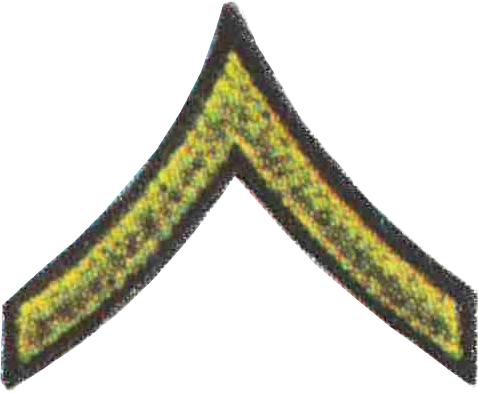
| GRADE |
| |||||||||||||||||||||||||
| FONCTION | Infantry Man | |||||||||||||||||||||||||
| PROFESSION AVANT INCORPORATION | General industry clerks |  | ||||||||||||||||||||||||
| DATE D'INCORPORATION | 3 aout 1943 New York City NEW YORK | |||||||||||||||||||||||||
| COMPANY | ||||||||||||||||||||||||||
| BATTALION | ||||||||||||||||||||||||||
| REGIMENT | 141st Infantry Regiment | |||||||||||||||||||||||||
| DIVISION | 36th Infantry Division | |||||||||||||||||||||||||
| DATE DU DECES | 23 aout 1944 |
Source : Andy | ||||||||||||||||||||||||
| STATUT | KIA | |||||||||||||||||||||||||
| LIEU DU DECES | ||||||||||||||||||||||||||
| CIMETIERE PROVISOIRE |
CIMETIERE PROVISOIRE de Draguignan N°3519 | |||||||||||||||||||||||||
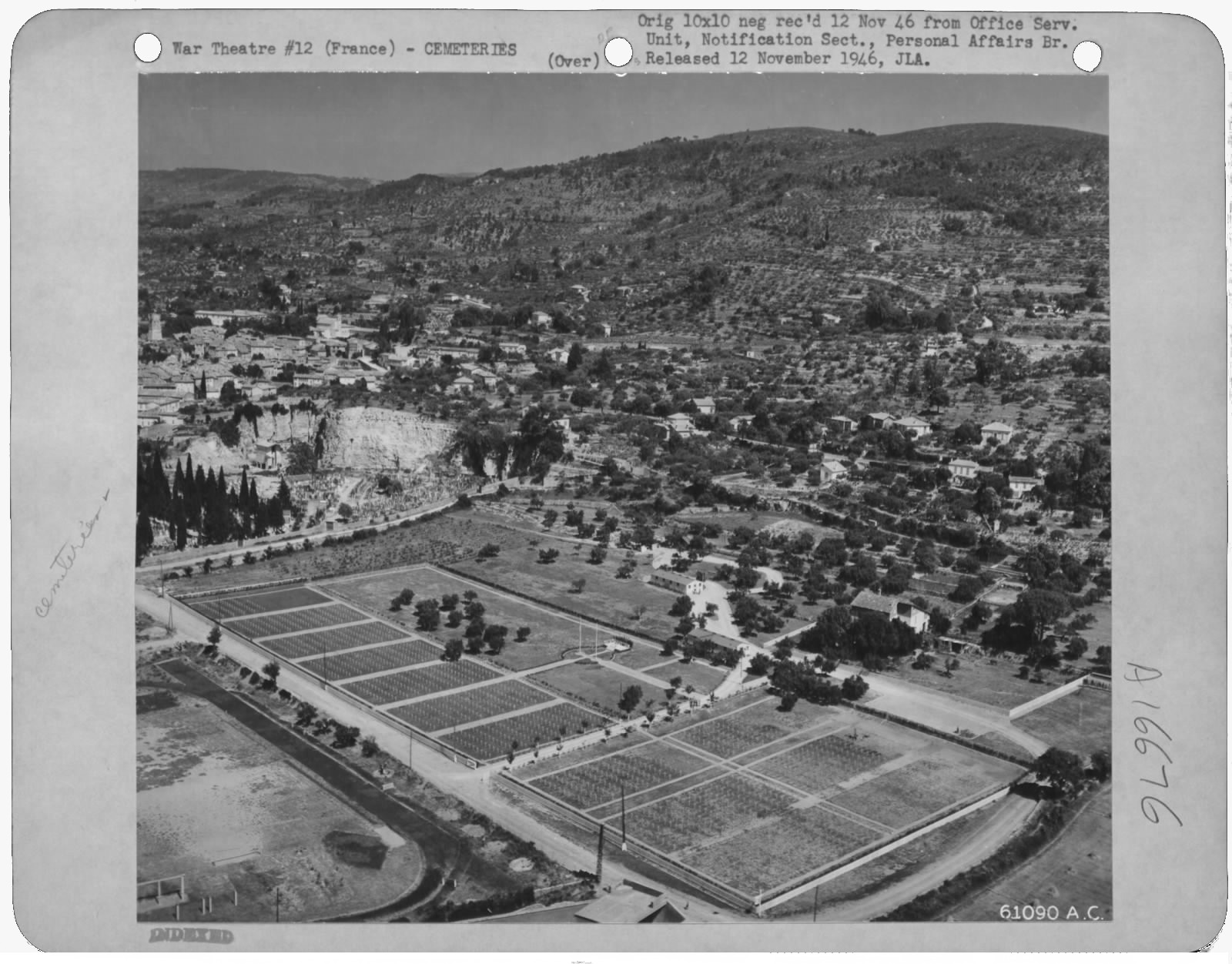
| CIMETIERE | RHONE AMERICAN CEMETERY de Draguignan | |||||||||||||||||||||||||
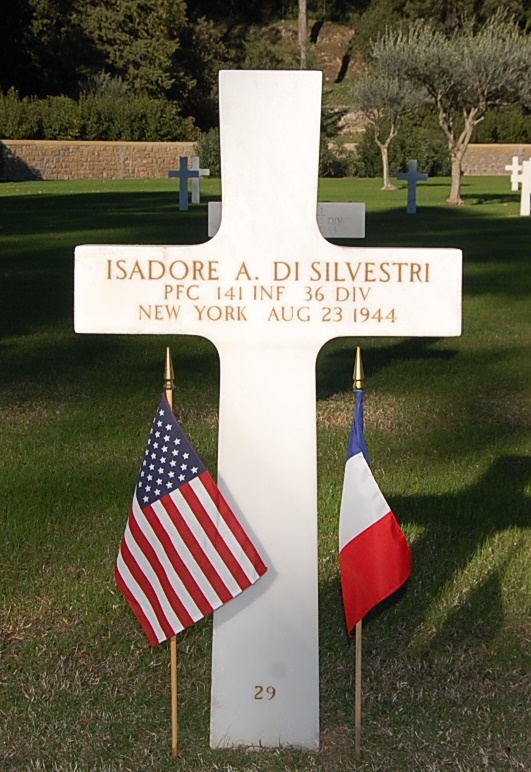
| TOMBE |
| |||||||||||||||||||||||||
| DECORATION & BREVET |
| |||||||||||||||||||||||||
| ||||||||||||||||||||||||||
| HISTOIRE | ||||||||||||||||||||||||||
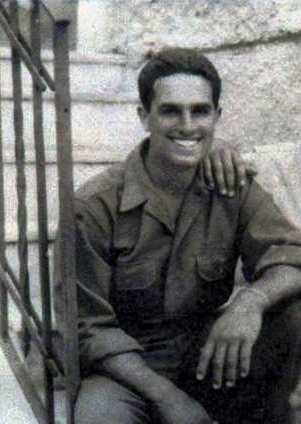
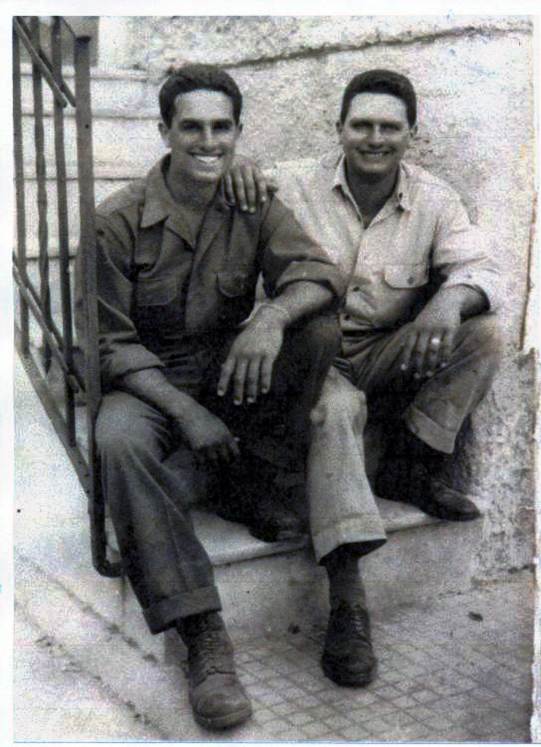
The Story of Isadore and TitoIsadore était la 2e (ses parents vivaient à NYC) génération italo-américaine. C'était un jeune homme séduisant avec un univers de possibilités qui s'offrent à lui dans son futur. Il avait récemment signé un contrat pour jouer avec l’équipe de baseball des New York Yankees qui entrerait en vigueur après la guerre. Sa famille élargie vivait dans le même quartier à New York. Comme c’était typique avec les familles à l’époque, les cousins et les frères et sœurs se fondaient pour former un énorme groupe familial. Isadore et son cousin Tito étaient comme des frères. Lorsque l’appel de la guerre a retenti, Isadore et Tito sont allés à l’armée ensemble. Isadore quand à la 36e division d’infanterie et Tito est allé à la 3e. Les deux divisions ont combattu en Italie et ont pris part à l’opération Dgagoon, l’invasion du sud de la France. Cette photo a été prise des cousins assis sur les marches d’une église à Rome. Les hommes avaient fait une pause pour voir leur tante qui était nonne catholique à Rome pendant la guerre. | ||||||||||||||||||||||||||
|
|
Isadore à gauche avec son cousin Tito. Photo prise à Rome où sur les marches d’un couvent où la sœur de Tito était nonne. Source : Andy | |||||||||||||||||||||||||
|
Alors que l’opération Dragoon se déroulait, le 36e d’infanterie d’Isadore a atterri sur la plage de St Raphaël ; le 3e de Tito a débarqué à Cavalaire-sur-Mer. Alors que la 7e armée avançait dans la vallée du Rhône, elle a été arrêtée à Montélimar. La 3ème division d’infanterie a attaqué Montélimar depuis le sud lors d’une tentative de percée en prenant plus de 3000 victimes (morts, blessés, capturés). Avec l’aide de la résistance française, une piste à travers les Alpes françaises a été trouvée pour manœuvrer une force spéciale autour des défenseurs allemands sur le flanc gauche et à l’arrière. La Task Force Butler (commandée par BG Butler) principalement de la 36e division, comprenait un bataillon motorisé du 141e d’infanterie, deux compagnies de chars moyens, une compagnie de chasseurs de chars, un escadron de cavalerie légère et un bataillon d’artillerie autopropulsé. Il a traversé un col dans les Alpes françaises avec l’intention de couper la retraite allemande (celle de Blaksowitz) et de briser les défenses de Montélimar. La force opérationnelle a permis aux unités allemandes défendant Montelimar de se désengager et de battre en retraite plus au nord. Malheureusement, Isadore est tombé le 23 août en tant que membre de la Task Force Butler. La 3e division ne faisait pas partie des combats de la Task Force Bulter. Tito a été assigné à un service spécial, déchargeant des corps de soldats américains de l’arrière des camions qui les ont ramenés au site de traitement d’enregistrement de Graves. En déchargeant les corps, Tito a trouvé Isadore. La perte du frère cousin de Tito était trop grande ; le choc et la tristesse l’ont submergé. Tito s’est éloigné de son lieu d’affectation, disparaissant pendant 7 à 10 jours. Lorsque son unité l’a trouvé, ils ont trouvé un homme brisé. Tito est rentré chez lui incapable de fonctionner et l’est resté pour le reste de sa vie. Story written by: Alison Libersa, Rhone American Cemetery | ||||||||||||||||||||||||||
|
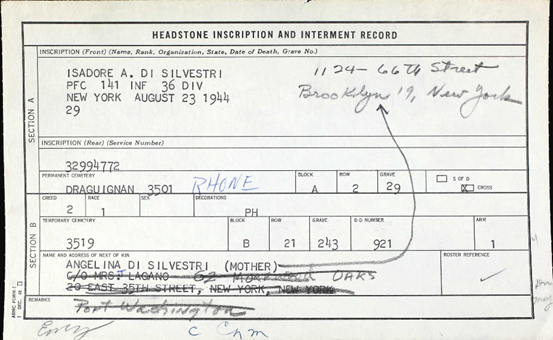
Source : Ancestry | ||||||||||||||||||||||||||





Activated/Activé |
Normandy/Normandie |
| 25 Nov 1940 | Days of Combat/Jour de Combat 400 |
| Casualties/Victimes 19 466 | |
Entered Combat/Entré au combat |
|
| 9 Sep 1943 Salerno | |
|
Commanding Generals/Commandants généraux Maj. Gen. Claude V. Birkhead (Nov 40 - Sep 41) |
Campaigns/CampagnesNaples-Foggia (9 Sep 43 - 21 Jan 44) Southern France (15 Aug 44 - 14 Sep 44) |
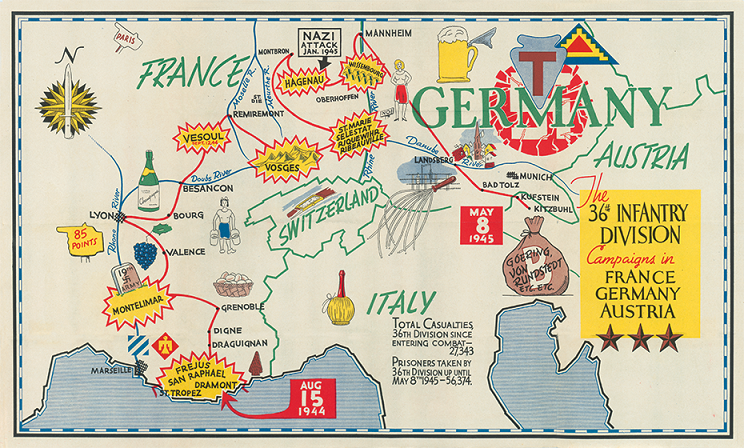
PLAN DE ROUTE DE LA CAMPAGNE - CAMPAIGN ROUTE MAP |
|
|
 |
|
DIVISION CHRONICLEThe 36th Infantry Division landed in North Africa, 13 April 1943, and trained at Arzew and Rabat. It first saw action, 9 September 1943, when it landed at Paestum on the Gulf of Salerno. The waiting enemy launched counterattacks, but the 36th advanced slowly, securing the area from Agropoli to Altavilla. After a brief rest the 36th returned to combat, 15 November. It captured Mount Maggiore, Mount Lungo, and the village of San Pietro despite strong enemy positions and severe winter weather. This grueling campaign was marked by futile attempts to establish a secure bridgehead across the Rapido River, 1 January to 8 February 1944. After assisting the 34th Division in the attack on Cassino and fighting defensively along the Rapido River, the 36th withdrew, 12 March 1944, for rest and rehabilitation. On 25 May, the Division landed at Anzio, drove north to capture Velletri, 1 June, and entered Rome on the 5th. Pushing up from Rome, the 36th encountered sharp resistance at Magliano, but reached Piombino, 26 June, before moving back to Paestum for rest and rehabilitation. On 15 August, the Division made another assault landing against light opposition in the RaphaelFrejus area of Southern France. A lightning dash opened the Rhone River Valley. Montelimar fell, 28 August, and large Nazi units were trapped. The 36th advanced to the Moselle River at Remiremont and the foothills of the Vosges. In a grinding offensive, the Division crossed the Meurthe River, breached the Ste. Marie Pass and burst into the Alsatian Plains. The enemy counterattacked, 13 December, and the 36th held in the Colmar Pocket. On the 20th the Division resumed the attack, advancing northward along the Rhine River to Mannheim meeting heavy resistance at Haguenau, Oberhofen, and Wissembourg. The 36th moved to the Danube, 22 April 1945, and attacked the "National Redoubt" at Kunzelsau on the 30th in its final action. |
CHRONIQUE DE DIVISIONThe 36th Infantry Division landed in North Africa, 13 April 1943, and trained at Arzew and Rabat. It first saw action, 9 September 1943, when it landed at Paestum on the Gulf of Salerno. The waiting enemy launched counterattacks, but the 36th advanced slowly, securing the area from Agropoli to Altavilla. After a brief rest the 36th returned to combat, 15 November. It captured Mount Maggiore, Mount Lungo, and the village of San Pietro despite strong enemy positions and severe winter weather. This grueling campaign was marked by futile attempts to establish a secure bridgehead across the Rapido River, 1 January to 8 February 1944. After assisting the 34th Division in the attack on Cassino and fighting defensively along the Rapido River, the 36th withdrew, 12 March 1944 , for rest and rehabilitation. On 25 May, the Division landed at Anzio, drove north to capture Velletri, 1 June, and entered Rome on the 5th. Pushing up from Rome, the 36th encountered sharp resistance at Magliano, but reached Piombino, 26 June, before moving back to Paestum for rest and rehabilitation. On 15 August, the Division made another assault landing against light opposition in the RaphaelFrejus area of Southern France. A lightning dash opened the Rhone River Valley. Montelimar fell, 28 August, and large Nazi units were trapped. The 36th advanced to the Moselle River at Remiremont and the foothills of the Vosges. In a grinding offensive, the Division crossed the Meurthe River, breached the Ste. Marie Pass and burst into the Alsatian Plains. The enemy counterattacked, 13 December, and the 36th held in the Colmar Pocket. On the 20th the Division resumed the attack, advancing northward along the Rhine River to Mannheim meeting heavy resistance at Haguenau, Oberhofen, and Wissembourg. The 36th moved to the Danube, 22 April 1945, and attacked the "National Redoubt" at Kunzelsau on the 30th in its final action.
|
| SOURCE INFORMATION & PHOTO | Armydivs.squarespace.com |
|---|
| SOURCE INFORMATION & SOURCE PHOTO | Ancestry - Findagrave.com - Weremember.abmc.gov - Aad.archives.gov |
|---|---|
| REDACTEURS | Victor, Jean-Philippe, Eric, Henri, Garrett, Clive, Frédéric & Renaud |