


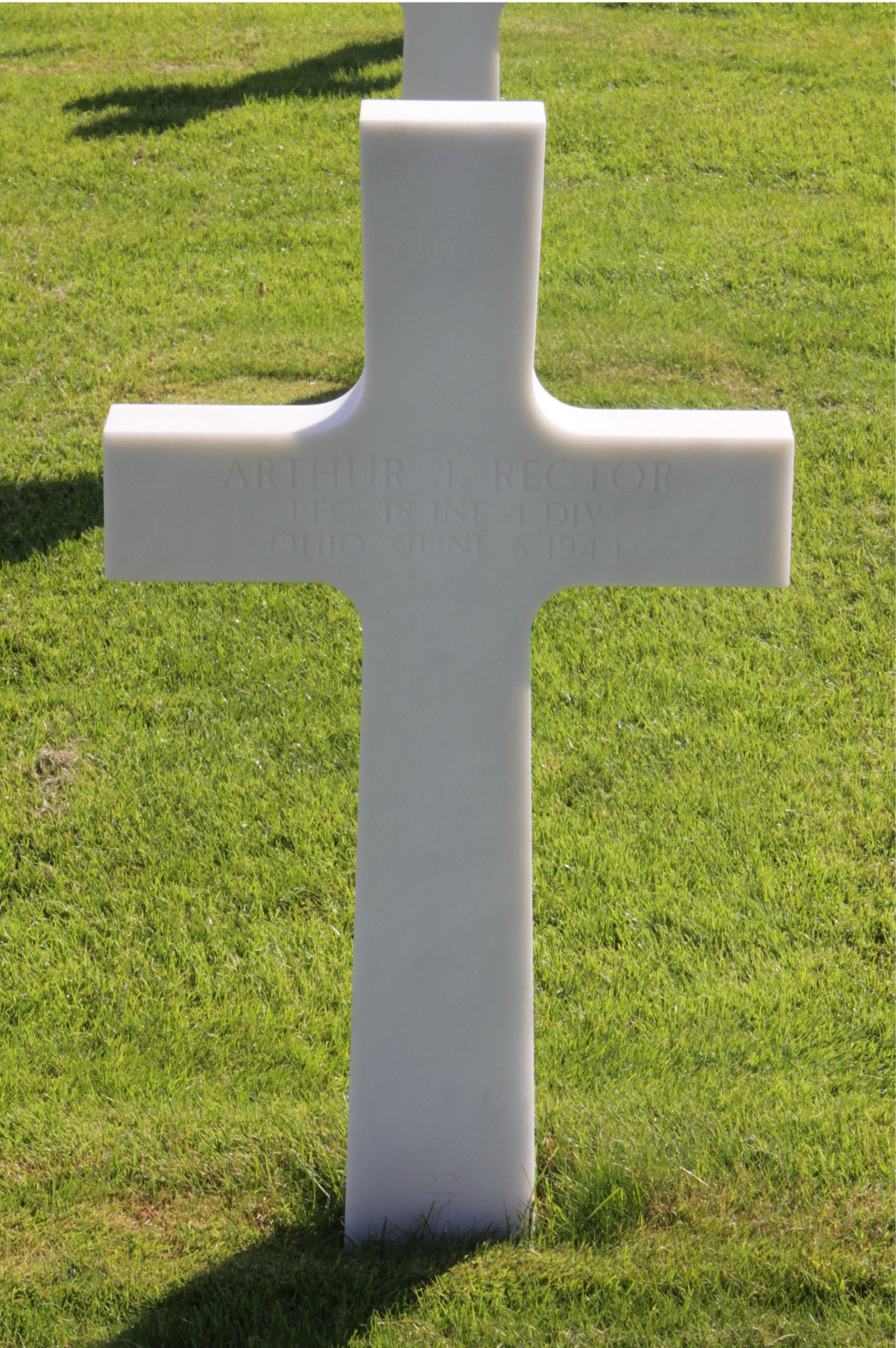
Arthur Jerome RECTOR
| ||||||||||||||||||||||||||||
|---|---|---|---|---|---|---|---|---|---|---|---|---|---|---|---|---|---|---|---|---|---|---|---|---|---|---|---|---|
|
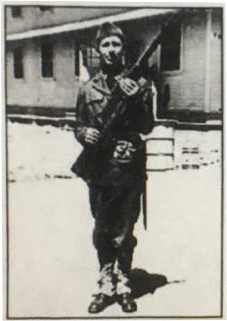
Source : Monty McDaniel | ||||||||||||||||||||||||||||
| ARMY SERIAL NUMBER | 35119425 | |||||||||||||||||||||||||||
| AGE | 28 yo | |||||||||||||||||||||||||||
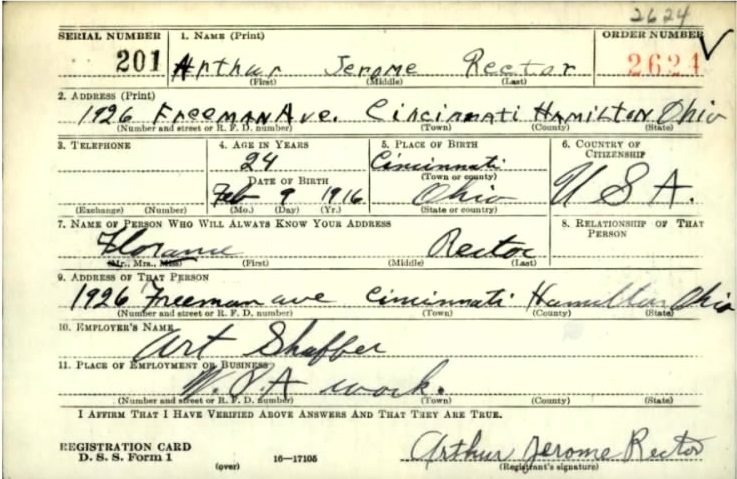
| DATE OF BIRTH | 9 February 1916 Cincinnati | |||||||||||||||||||||||||||
| STATE | Hamilton County OHIO | |||||||||||||||||||||||||||
| FAMILY | Parent : Florence & William Hix RECTOR | |||||||||||||||||||||||||||
| RANK | Private First Class | |||||||||||||||||||||||||||
| FONCTION | Infantry Man | |||||||||||||||||||||||||||
| JOB before ENLISTEMENT |  | |||||||||||||||||||||||||||
| DATE of ENLISTEMENT | 7 March 1941 Fort Thomas Newport KENTUCKY | |||||||||||||||||||||||||||
| COMPANY | Company C | |||||||||||||||||||||||||||
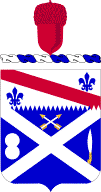
| REGIMENT | 18th Infantry Regiment | |||||||||||||||||||||||||||
| DIVISION |
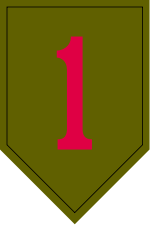
1st Infantry Division | |||||||||||||||||||||||||||
| DATE OF DEATH | 6 june 1944 |
Source : Dominique Potier | ||||||||||||||||||||||||||
| STATUS | KIA | |||||||||||||||||||||||||||
| PLACE OF DEATH | Easy Red - Omaha Beach | |||||||||||||||||||||||||||
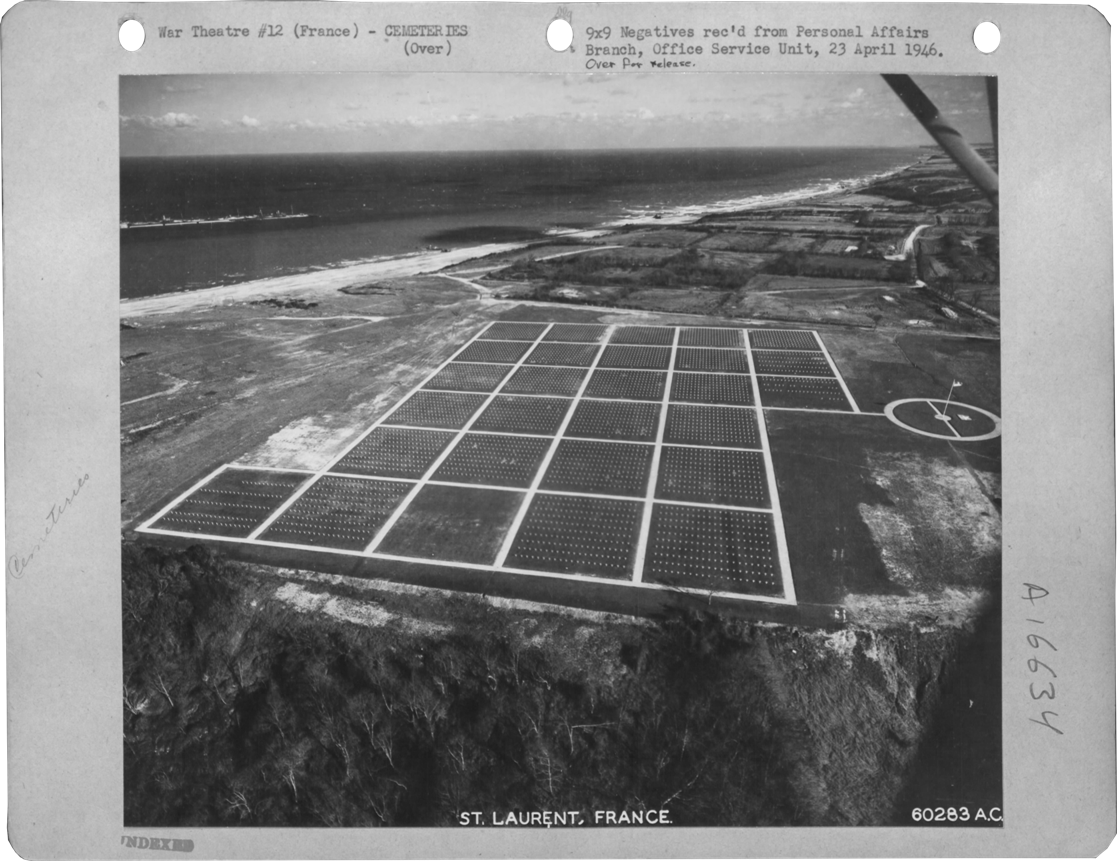
| CEMETERY TEMPORARY |
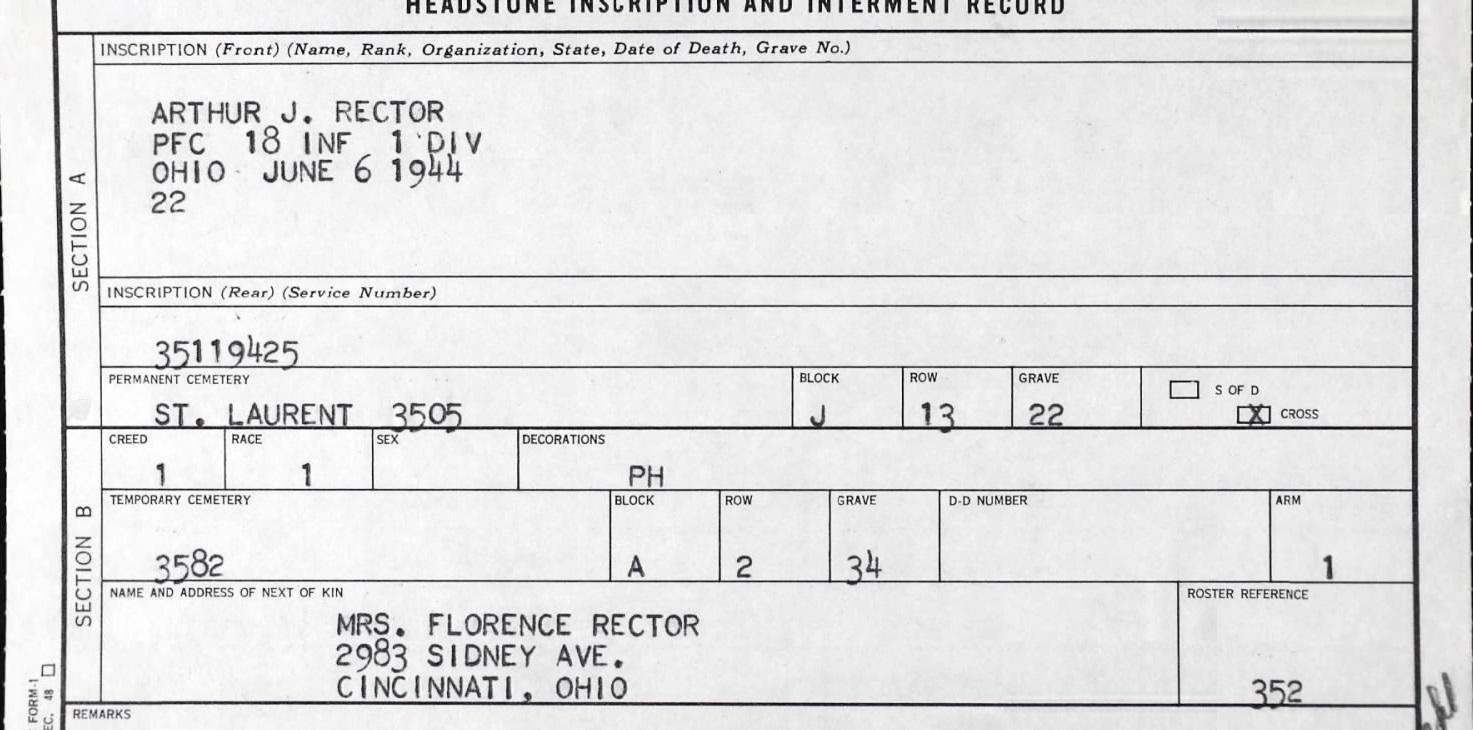
CEMETERY TEMPORARY of St Laurent N°3582
| |||||||||||||||||||||||||||
| CEMETERY | NORMANDY AMERICAN CEMETERY de Colleville | |||||||||||||||||||||||||||
| GRAVE |
| |||||||||||||||||||||||||||
| DECORATION |
| |||||||||||||||||||||||||||
| ||||||||||||||||||||||||||||
| STORY | ||||||||||||||||||||||||||||
|
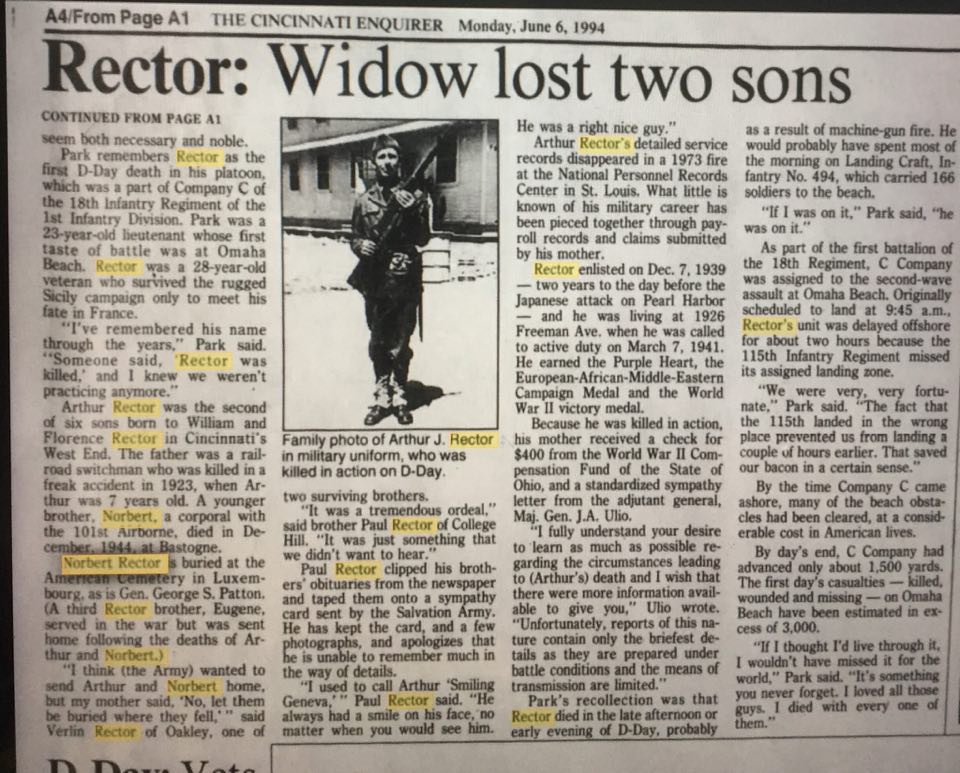
by redandbon864 Private First Class Arthur Jerome Rector, United States Army Private First Class Arthur Jerome Rector, United States Army. Service Number: 35119425 Early Life Arthur Jerome Rector was born on 9 February 1916 in Cincinnati, Ohio. His father, William Hix Rector, born 22 February 1879 in Buncombe County, North Carolina, died 23 October 1923 in Cincinnati, Ohio, was a Switchman for the Southern Railroad. His mother Florence Quatkemeier was born in 1893 in Ohio and died in 1954 in Cincinnati, Ohio. Arthur’s parents were married on 4 December 1912 in Hamilton County, Ohio. Arthur was the second of six sons in the family. In 1940, he was single, had completed two years of high school and worked as a Laborer for the Works Progress Administration (WPA).
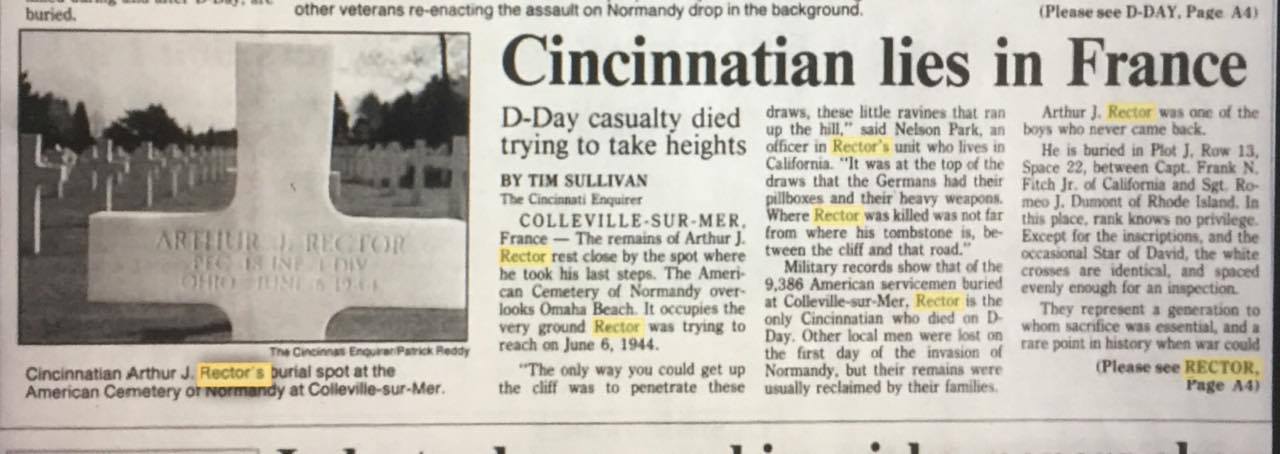
Military Arthur J. Rector registered for the Draft on 16 October 1940 in Cincinnati, Ohio. He enlisted in the U.S. Army on 7 March 1941 at Fort Thomas in Newport, Kentucky. After basic training and additional follow-on training, he was assigned to Company C, 18th Infantry Regiment, 1st Infantry Division. A brief history of the 18th Infantry Regiment during World War II follows: North African campaign. On 8 November 1942, the 18th Infantry Regiment (part of the 1st Infantry Division) went ashore at Oran, Algeria. Ensuring that the 18th was one of the first U.S. Army infantry units to engage in combat against Axis forces. The regiment (or elements of the regiment) would experience heavy action over the following seven months at Maktar, Tebourba, Medjez el Bab, the Battle of Kasserine Pass (where American forces were pushed back), and Gafsa. It also participated at El Guettar, Béja, and Mateur. The 18th Infantry Regiment was in combat in the Tunisian Campaign from 21 January 1943 to 9 May 1943, helping secure Tunisia for the Allies. Invasion of Sicily. The regiment participated in The Battle of Gela (10 - 12 May 1943) where it withstood heavy counterattacks from Italian and German forces. On 7 August 1943, the 18th Infantry Regiment captured Mount Pellegrino which overlooked the Troina defenses allowing accurate direction of Allied artillery. Invasion of Normandy. The 18th Infantry Regiment was part of the landing forces that participated in the initial onset of Operation Overlord. The 18th Regimental Combat Team (RCT) was part of the 1st Infantry Division forces that stormed Omaha Beach. The regiment was scheduled to land at 09:30 on Easy Red. The first battalion to land, 2/18, arrived at the E-1 draw 30 minutes late after a difficult passage through the congestion off shore. Casualties were light, though despite the existence of a narrow channel through the beach obstacles the ramps and mines there accounted for the loss 22 LCVP's, 2 LCI(L)'s and 4 LCT's. Supported by tank and subsequent naval fire, the newly arrived troops took the surrender of the last strong point defending the entrance to the E-1 draw at 11:30. Although a usable exit was finally opened, congestion prevented an early exploitation inland. The three battalions of the 115th RCT, scheduled to land from 10:30 on Dog Red and Easy Green came in together and on top of the 18th RCT landings at Easy Red. The confusion prevented the remaining two battalions of the 18th RCT from landing until 13:00 and delayed the move off the beach of all but 2/18, which had exited the beach further east before noon, until 14:00. Even then, this movement was hampered by mines and enemy positions still in action further up the draw. Northwest Europe The 18th Infantry Regiment would experience almost eleven months of continual combat operations from the allied invasion of Normandy (June 6, 1944) to the end of World War II in Europe in May 1945. Among the many actions that the regiment participated in were Battle of Aachen, Battle of Hürtgen Forest, The Battle of the Bulge and crossing at the Remagen bridgehead 15 - 16 March, 1945. Death and Burial Arthur J. Rector was Killed in Action on 6 June 1944 on Omaha Beach in Normandy, France during the D-Day invasion. He was posthumously awarded the Purple Heart Medal and was buried at the Normandy American Cemetery and Memorial in Colleville-sur-Mer, Departement du Calvados, Basse-Normandie, France, Plot: J, Row: 13, Grave: 22. His brother, Norbert H Rector also served in the US Army and was killed in action in Belgium six months later on December 12, 1944. | ||||||||||||||||||||||||||||
 | ||||||||||||||||||||||||||||
 | ||||||||||||||||||||||||||||
|
| ||||||||||||||||||||||||||||




Activated/Activé |
Normandy/Normandie |
| 17 Jun 1917 | Days of Combat/Jour de Combat 443 |
| Casualties/Victimes 20 659 | |
Entered Combat/Entré au combat |
|
| 8 Nov 1942 North Africa | |
|
Commanding Generals/Commandants généraux Maj. Gen. Donald Cubbison (Feb 41 - Aug 42) |
Campaigns/CampagnesAlgeria-French Morocco (8 Nov 42 - 11 Nov 42)
|
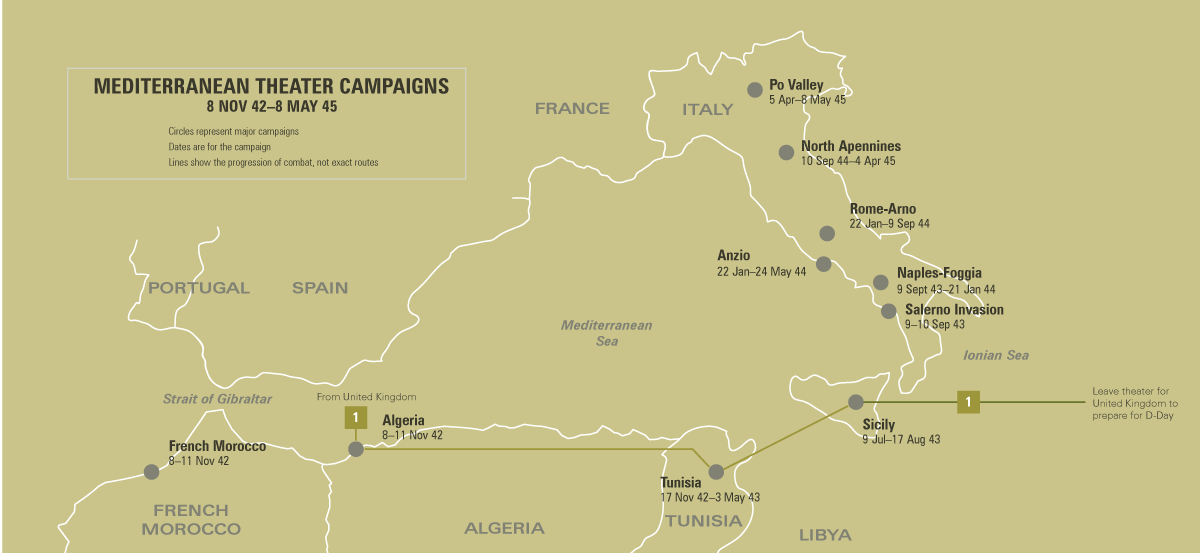
PLAN DE ROUTE DE LA CAMPAGNE de MEDITERANNEE - CAMPAIGN ROUTE MAP |
|
 |
|
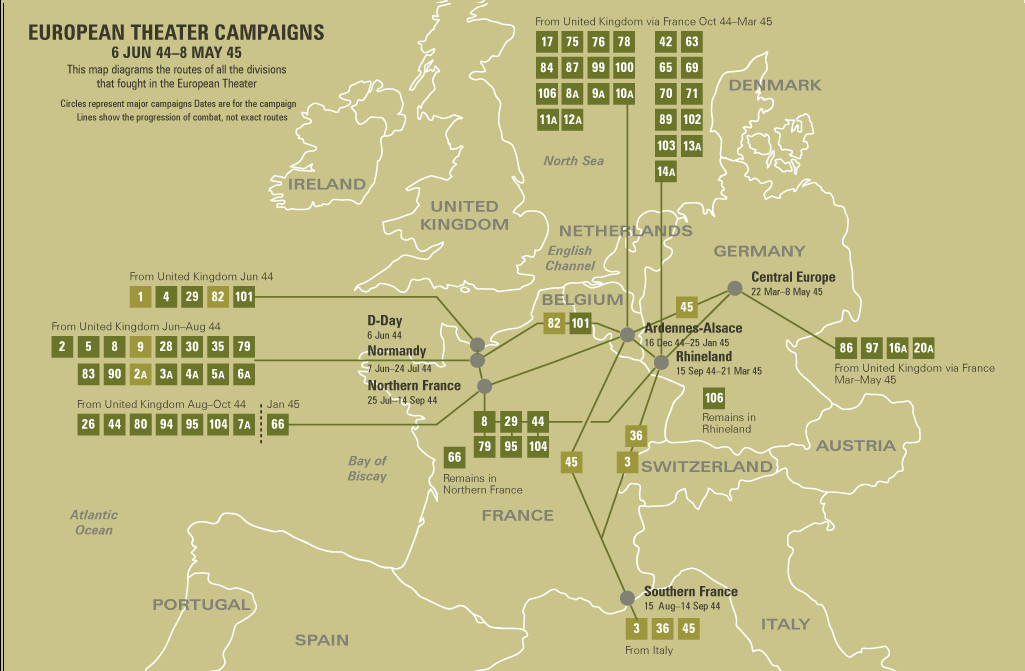
PLAN DE ROUTE DE LA CAMPAGNE - CAMPAIGN ROUTE MAP |
|
 |
|
DIVISION CHRONICLEThe 1st Infantry Division saw its first combat in World War II in North Africa, landing at Oran and taking part in the initial fighting, 8-10 November 1942. Elements then took part in seesaw combat at Maktar, Medjez el Bab, Kasserine Pass, Gafsa, El Guettar, Beja, and Mateur, 21 January-9 May 1943, helping secure Tunisia. The First was the first ashore in the invasion of Sicily, 10 July 1943 ; it fought a series of short, fierce battles on the island's tortuous terrain. When that campaign was over, the Division returned to England to prepare for the Normandy invasion. The First Division assaulted Omaha Beach on D-day, 6 June 1944, some units suffering 30 percent casualties in the first hour, and secured Formigny and Caumont in the beachhead. The Division followed up the St. Lo break-through with an attack on Marigny, 27 July 1944, and then drove across France in a continuous offensive, reaching the German border at Aachen in September. The Division laid siege to Aachen, taking the city after a direct assault, 21 October 1944. The First then attacked east of Aachen through Hurtgen Forest, driving to the Roer, and moved to a rest area 7 December for its first real rest in 6 months' combat, when the von Rundstedt offensive suddenly broke loose, 16 December. The Division raced to the Ardennes, and fighting continuously from 17 December 1944 to 28 January 1945, helped blunt and turn back the German offensive. Thereupon, the Division attacked and again breached the Siegfried Line, fought across the Roer, 23 February 1945, and drove on to the Rhine, crossing at the Remagen bridgehead, 15-16 March 1945. The Division broke out of the bridgehead, took part in the encirclement of the Ruhr Pocket, captured Paderborn, pushed through the Harz Mountains, and was in Czechoslovakia, at Kinsperk, Sangerberg, and Mnichov, when the war in Europe ended.
|
CHRONIQUE DE DIVISIONLa 1ère Division d'infanterie vit son premier combat en Afrique du Nord lors de la Seconde Guerre mondiale, débarquant à Oran et prenant part aux combats initiaux, du 8 au 10 novembre 1942. Les éléments participèrent ensuite aux combats en balançant à Maktar, Medjez el Bab, Col de Kasserine, Gafsa, El Guettar, Beja et Mateur, du 21 janvier au 9 mai 1943, contribuant à la sécurisation de la Tunisie. Le premier a été le premier à terre dans l'invasion de la Sicile, le 10 juillet 1943; il a combattu une série de batailles courtes et féroces sur le terrain tortueux de l'île. Quand cette campagne fut terminée, la Division revint en Angleterre pour se préparer à l'invasion de la Normandie. La première division a attaqué Omaha Beach le jour J, le 6 juin 1944, certaines unités subissant 30% de pertes au cours de la première heure et sécurisant Formigny et Caumont dans la tête de pont. La Division a suivi la percée de Saint-Lô avec une attaque sur Marigny, le 27 juillet 1944, puis a traversé la France dans une offensive continue, atteignant la frontière allemande à Aix-la-Chapelle en septembre. La Division a assiégé Aix-la-Chapelle après un assaut direct, le 21 octobre 1944. Le Premier a ensuite attaqué à l'est d'Aix-la-Chapelle par Hurtgen Forest, jusqu'à la Roer, et s'est installé dans une aire de repos le 7 décembre pour son premier repos. combat de mois, quand l'offensive de von Rundstedt se déchaîna subitement, le 16 décembre. La division a couru vers les Ardennes, et combat continuellement du 17 décembre 1944 au 28 janvier 1945, a aidé à émousser et à retourner l'offensive allemande. La Division attaqua de nouveau la ligne Siegfried, traversa la Roer, le 23 février 1945, et se dirigea vers le Rhin, traversant la tête de pont de Remagen, du 15 au 16 mars 1945. La division sortit de la tête de pont. dans l'encerclement de la poche de la Ruhr, capturé Paderborn, poussé à travers les montagnes du Harz, et était en Tchécoslovaquie, à Kinsperk, Sangerberg et Mnichov, lorsque la guerre en Europe a pris fin.
|
| SOURCE INFORMATION & PHOTO | Armydivs.squarespace.com |
|---|
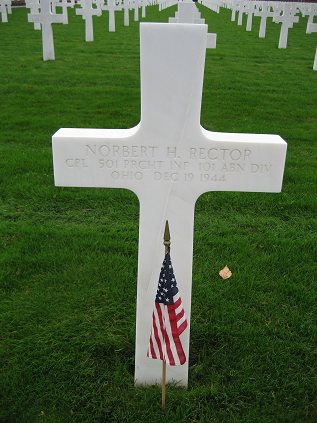
| Brother of Arthur J | Norbert Hicks RECTOR
| |
|---|---|---|
| NUMBER OF SERVICE | 15394121 |
Source : LuxAmCem |
| AGE | 25 yo | |
| DATE OF BIRTH | 5 April 1919 | |
| ENLISTMENT STATE | OHIO | |
| FAMILY | Parent : Florence & William Hix RECTOR | |
| JOB BEFORE ENLISTEMENT | 9 Decembre 1942 Fort Thomas Newport KENTUCKY | |
| DATE of ENLISTEMENT | Semiskilled machine shop and related occupations | |
| UNIT |
Company I 501st Parachute Infantry Regiment 101st Airborne Division | |
| RANK | Corporal | |
| DATE OF DEATH | 19 December 1944 | |
| STATUS | KIA | |
| PLACE OF DEATH | Belgium | |
| CEMETERY TEMPORARY | Hamm Cemetery, Hamm LUXEMBOURG | |
| CEMETERY | LUXEMBOURG AMERICAN CEMETERY | |
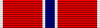
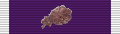
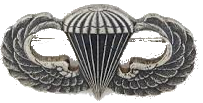
| DECORATION |
Bronze Star Purple Heart + OLC World War II Victory Medal Combat Infantryman Badge Brevet Parachutiste |
|
| SOURCE INFORMATION & SOURCE PHOTO | Aad.archives.gov - Findagrave.com - Abmc.gov | |

| Brother of Ralph J | --
| |
|---|---|---|
| NUMBER OF SERVICE | -- |  |
| AGE | --- yo | |
| DATE OF BIRTH | -- | |
| ENLISTMENT STATE | -- | |
| FAMILY | -- | |
| RANK | -- | |
| JOB BEFORE ENLISTEMENT | -- |  |
| DATE of ENLISTEMENT | -- | |
| SOURCE INFORMATION & SOURCE PHOTO | ||
| INFORMATION SOURCE | Aad.archives.gov - Fold 3 |
|---|---|
| PICTURE SOURCE | Monty McDaniel - Findagrave.com |
| PROGRAMMER | Frédéric & Renaud |